 King County
 Why Kent Homes Need Windows Built for This Climate
Kent sits in the Green River Valley, and like the rest of King County it deals with a long wet season, driving rain that comes in sideways during winter storms, and enough sustained dampness to keep moss and algae established on north-facing surfaces for much of the year. Windows here aren't just letting light in — they're one of the main seals between a house and months of moisture. A window that's slightly out of level, poorly flashed, or sealed with the wrong material won't fail on day one. It fails slowly, over two or three wet seasons, as water finds its way behind trim and into framing that never fully dries out between storms.
That's the practical reason "custom" matters here. Off-the-shelf windows sized to the nearest standard opening, installed with generic trim and caulk, might look fine at closing. In a marine climate with regular wind-driven rain, the margin for error is smaller than it is in a drier region. Custom windows — sized to the actual opening, matched to the home's exposure, and installed with detailing suited to Pacific Northwest weather — hold up because they were built for this specific job, not the average one.
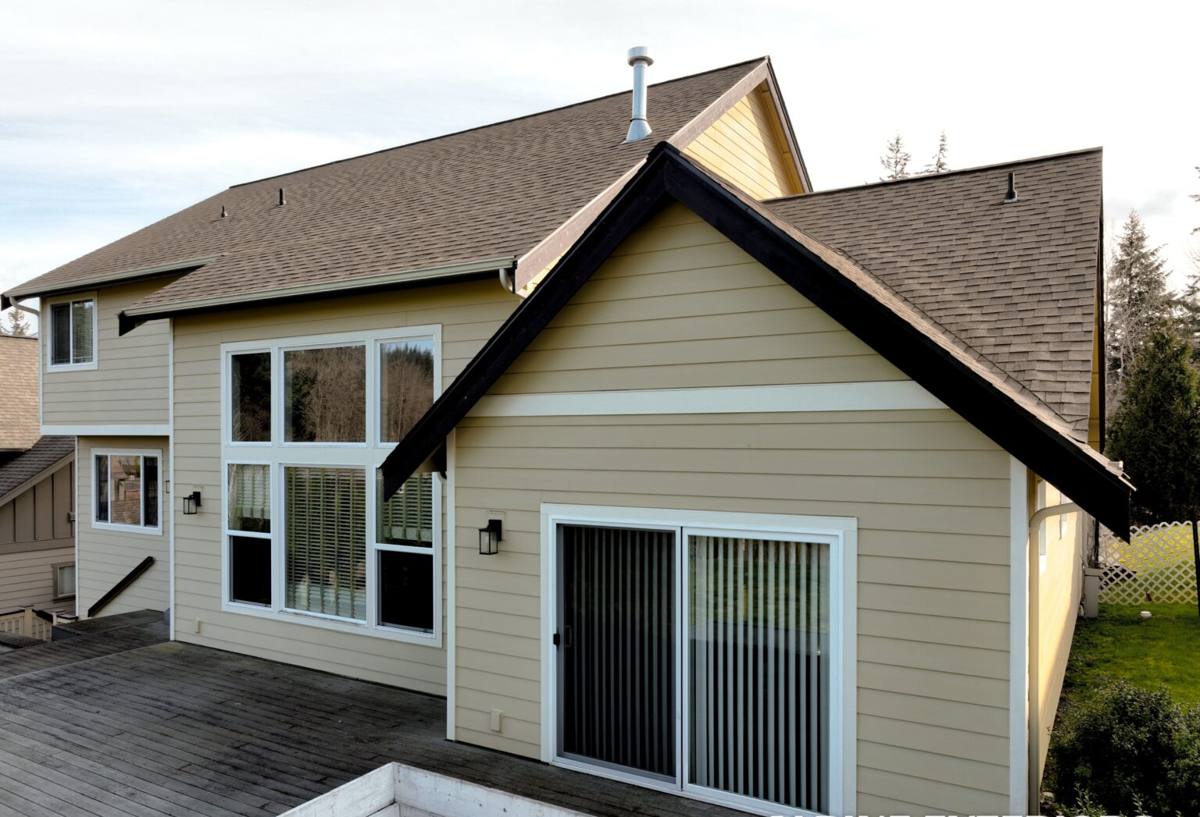
What "Custom" Actually Means for a Window Replacement
Custom doesn't have to mean unusual shapes or high-end architectural glass, though it can. For most Kent homeowners it means:
- Windows manufactured to the exact opening dimensions of your home, rather than resized stock units with shims and filler material closing the gaps
- Frame material and glazing package chosen for the specific wall's sun and rain exposure — a west-facing wall that takes the brunt of storms has different needs than a covered porch window
- Flashing and sealing details matched to your home's existing wall assembly, siding type, and age of construction
- Grille patterns, hardware finishes, and trim profiles that match the home's existing style instead of forcing a compromise
The value isn't cosmetic. A properly sized custom unit seals tighter, needs less caulk to compensate for gaps, and puts less long-term stress on the surrounding frame — which matters when that frame is going to see rain for a good chunk of the year.
When Custom Is the Only Real Option
Older Kent homes, particularly those built before standardized window sizing became common, often have openings that don't match any current stock size. Additions, remodeled rooms, and homes with settling or slightly out-of-square framing fall into the same category. In those cases, forcing a stock window into the opening usually means extra trim, extra shimming, and extra places for water to find a path inward. Custom sizing avoids that problem at the source.
Signs Your Kent Home's Windows Are Underperforming
Window failure in this climate is usually gradual. Walk your home's exterior and interior sills and look for:
- Fogging or a hazy film between the panes of a double-pane window — a sign the seal has failed and the insulating gas has escaped
- Soft or discolored wood trim around the window, especially on the sill or bottom corners
- Persistent moss or dark staining on the exterior casing that doesn't clean off and comes back within weeks
- Drafts you can feel with a hand near the frame on a windy day, even with the window latched
- Difficulty opening, closing, or latching — often a sign the frame has shifted or swollen
- Condensation forming on the inside of the glass regularly through fall and winter
Any one of these on its own might just need attention. Several together, especially on the same wall, usually points to a window and its surrounding flashing that need to be replaced rather than patched.
Frame Material Options — What Actually Holds Up Here
Every frame material has trade-offs. In King County's climate, moisture resistance and maintenance burden usually matter more than they would in a drier region.
| Material | Moisture Behavior | Maintenance | Best Fit |
|---|---|---|---|
| Vinyl | Doesn't absorb water or rot; seams and welds are the main watch point | Low — occasional cleaning | Most Kent homes, budget-conscious full-home replacements |
| Fiberglass | Very stable in wet/dry cycling, resists warping | Low | Homes wanting a long-life, low-movement frame; higher upfront cost |
| Wood (clad exterior) | Interior wood look with a weather-resistant exterior shell; exposed end grain is the vulnerable point | Moderate — exterior cladding low-maintenance, interior wood needs normal care | Homes prioritizing interior appearance, willing to manage the trade-off |
| Aluminum | Prone to condensation and thermal transfer unless thermally broken | Low, but performance concerns in cold, damp conditions | Limited use here; we generally steer clients toward better-performing options for this climate |
We don't push one material on every job. A sunroom addition, a covered entry, and an exposed second-story wall can reasonably call for different choices on the same house. What we won't do is install a frame material that's a poor match for its specific exposure just because it's cheaper up front — that decision tends to cost more in the long run through callbacks, rot repair, or an early second replacement.
The Installation Details That Determine Whether a Window Lasts
The window unit itself is maybe half the job. The other half is how it's integrated into the wall, and this is where a lot of failures in wet climates actually start.
Flashing and Water Management
Every custom window we install gets flashed so that any water that reaches the opening — from driving rain, wind-blown moisture, or condensation — is directed back out, not trapped behind the frame. This includes sill pan flashing at the bottom of the opening, which is the single most common gap we find in older or poorly done installations.
Sealant, Not Just Caulk
Perimeter sealant needs to be rated for exterior exposure and applied at the right joints — not just smeared around the trim as a catch-all. Over-caulking can trap moisture as easily as under-caulking lets it in.
Fit and Fastening
A custom-sized unit should sit square and plumb in the opening with minimal shimming. Fasteners go where the manufacturer specifies, at the spacing specified — skipping fasteners to save time is a shortcut that shows up later as air leaks or a window that won't stay latched.
Our Process, Start to Finish
- On-site assessment — we measure actual openings, check framing condition, and look at each wall's sun and rain exposure before recommending anything
- Material and glazing selection — we walk through the trade-offs for your specific home rather than presenting one default option
- Ordering to exact dimensions — custom units are built to your openings, not resized from stock
- Removal and inspection — old windows come out carefully so we can check the framing and sheathing underneath for hidden moisture damage before it's covered back up
- Flashing, installation, and sealing — done to the details described above, matched to your siding type
- Final walkthrough — operation, latching, and seals checked with you before we consider the job finished
Cost Factors to Expect
Every home is different, but the main variables that move the price on a custom window job are consistent:
| Factor | Why It Matters |
|---|---|
| Frame material | Vinyl generally costs less than fiberglass or clad wood units |
| Glazing package | Double vs. triple pane, low-E coatings, and gas fills all add cost but affect comfort and energy performance |
| Opening condition | Rot repair or reframing discovered during removal adds labor beyond the base install |
| Number and size of openings | Larger units and full-home replacements typically bring a better per-window rate than one-off jobs |
| Access and height | Second-story or hard-to-reach windows take more time and equipment |
We give a written estimate that breaks these out so you can see what's driving the number, rather than a single lump figure.
Why a Crew That Already Works Kent Matters
A window installer who works across King County regularly sees how homes in this specific climate actually perform over time — which flashing details hold up through a real Puget Sound winter, which materials handle the damp season without maintenance headaches, and which shortcuts show up as callbacks two years later. That's different knowledge than general installation experience from a drier region. It shows up in small decisions: how much slope to build into a sill pan, which sealant actually stays flexible through repeated wet-dry cycles here, and where moss and algae are likely to take hold if a detail is even slightly off.
It also means we're accountable locally. If something needs a follow-up visit, we're not driving in from out of the area — we're already working in Kent and the surrounding King County communities.
If your Kent home has windows showing any of the signs above, or you're planning a remodel and want frame and glazing options matched to your home's actual exposure, we're happy to take a look. Estimates are free, there's no pressure, and you'll get a straight answer about what your home actually needs — use the form below to get started.