 King County
 Exterior Contracting in Kent, WA
Kent sits in the Green River Valley, sandwiched between the Cascades to the east and the Puget Sound basin to the west, and that geography shapes what happens to a house here year over year. Homes in Kent see a long wet season, stretches of still, damp air that keep surfaces from drying out, and the kind of persistent low-grade moisture exposure that causes more exterior damage over a decade than any single storm. Add in the moss and algae growth that thrives in shaded, north-facing exterior walls and roof valleys throughout this part of King County, and you have a climate that rewards durable materials and honest installation practices — and punishes shortcuts.
King County Exterior works throughout Kent and the surrounding valley communities. We install siding, roofing, windows, and decks, and we do it with a crew that understands what this specific climate does to a house, not a generic weatherproofing checklist written for a different region.
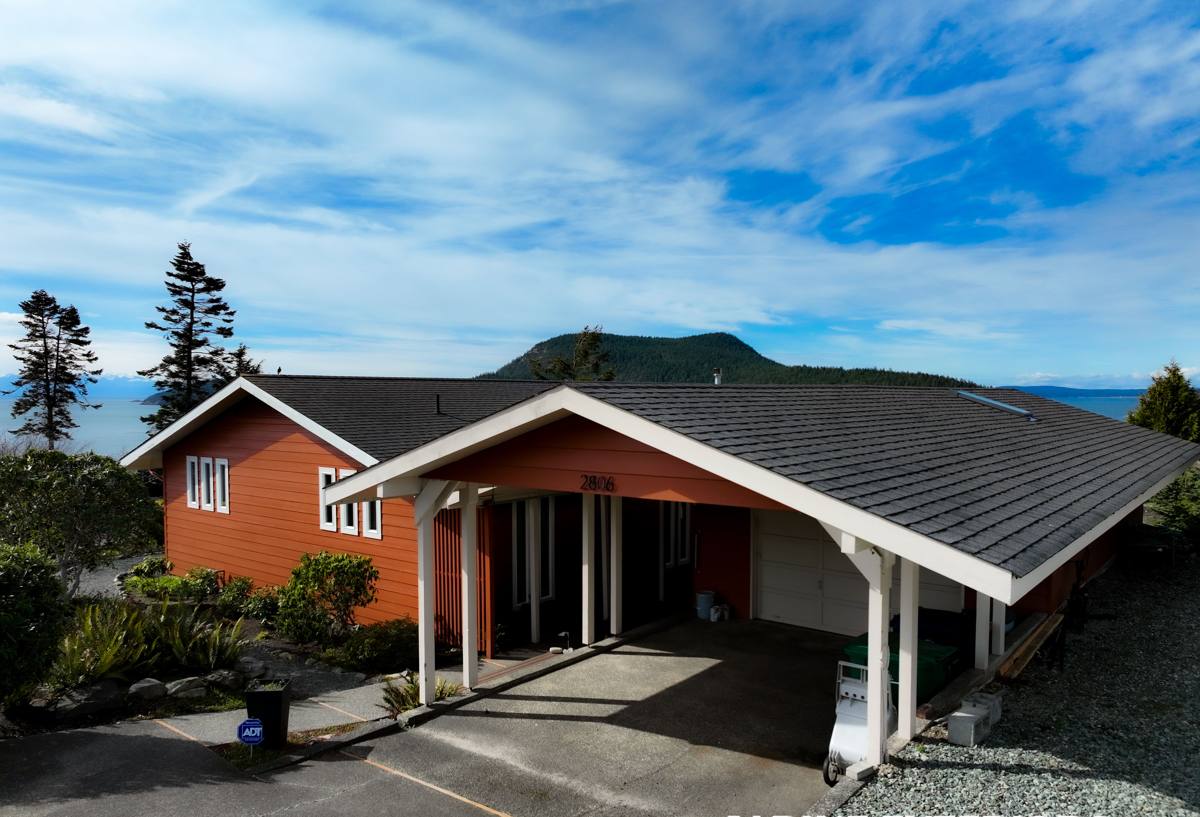
What the Kent Climate Does to a Home's Exterior
Moisture That Doesn't Let Up
The Pacific Northwest's reputation for rain is well earned, but it's not the volume of rain that causes the most damage — it's the duration. Kent goes through long stretches where humidity stays elevated and surfaces stay damp for days at a time. Materials that absorb moisture, or that rely on paint film alone to keep water out, are under near-constant stress in conditions like this. Over years, that stress shows up as swelling, soft spots, paint failure, and in the worst cases, rot working its way into wall sheathing.
Moss, Algae, and Shaded Wall Sections
Kent's tree cover and cloudy-day frequency mean a lot of homes have exterior wall sections and roof planes that rarely see direct sun. Those shaded areas are where moss and algae take hold first, and once established, organic growth holds moisture against the surface below it — accelerating whatever deterioration is already underway. Roofs are the most visible example, but siding in shaded side-yards and north elevations sees the same pattern.
Temperature Swings and Material Movement
Kent doesn't have brutal winters, but it does have real freeze-thaw cycling in the colder months layered on top of that constant moisture exposure. Materials that expand and contract significantly with temperature and humidity changes are more prone to seam gaps, caulk failure, and fastener movement over time — all of which become entry points for water.
Siding: Why We Install James Hardie Exclusively
King County Exterior installs James Hardie fiber cement siding and nothing else. We don't offer vinyl, LP SmartSide, Cemplank, Allura, or primed wood siding, and that's a deliberate standard, not a lack of options. Each of those products has legitimate uses and reasonable price points — but each also has a real-world weakness that shows up in exactly the conditions Kent homes face year-round.
- Vinyl can warp or crack in temperature extremes and doesn't stand up well to impact; seams and J-channels are common water entry points over time.
- LP SmartSide is engineered wood — meaning it's still an organic wood product at its core. In sustained moisture exposure, edge sealing and field-cut protection become critical, and any gap in that protection invites the swelling and rot that wood products are inherently prone to.
- Cemplank and Allura are also fiber cement, and they're not bad products. Our decision to standardize on Hardie specifically comes down to their ColorPlus finish process, their HZ5 formulation engineered for wet climates, and the depth of their installer network and warranty support in this region.
- Primed cedar and spruce siding looks great on day one, but it requires ongoing maintenance — repainting, caulking, and moisture monitoring — that most homeowners underestimate. In a climate like Kent's, that maintenance window shrinks fast.
James Hardie fiber cement is non-combustible, dimensionally stable across temperature and humidity swings, and factory-finished with ColorPlus technology so the color coat is baked on rather than field-applied — which matters enormously in a climate where field-applied paint has to fight constant moisture to cure and bond properly. Hardie's HZ10 product line is specifically engineered for the wetter, more variable climate zones on the West Coast, which includes King County. The warranty is transferable to a future homeowner, which matters for resale in a market like Kent's.
Correct installation matters as much as the product itself. That means proper flashing and weather-resistive barrier integration behind the siding, correct fastener placement, factory-caulked or properly sealed joints, and clearances at grade and roofline that keep water moving away from the wall assembly instead of into it. We install Hardie to the manufacturer's specifications every time, not to whatever pace gets the job done fastest.
Roofing for the Green River Valley
Roofing in Kent has to account for sustained rain load, moss and algae growth on shaded slopes, and the freeze-thaw cycling that loosens fasteners and opens seams over time. We evaluate underlayment quality, flashing at valleys and penetrations, and ventilation as closely as we evaluate the shingle or roofing material itself — a roof that's flashed and ventilated poorly will fail early no matter how good the surface material is. Proper attic ventilation also reduces the condensation that can form on the underside of roof decking during Kent's cooler, damp months, which is a less visible but very real contributor to roof deterioration.
Common Roofing Issues We See in Kent
- Moss buildup on north-facing and heavily shaded roof planes
- Granule loss and surface wear from prolonged UV and moisture exposure over years
- Valley and flashing failures where water volume concentrates during heavy rain
- Ventilation gaps that trap moisture in the attic space
- Gutter and drainage issues that push water back toward the roof edge or fascia
Windows: Sealing Out a Wet Climate
Window performance in Kent comes down to two things: the quality of the window unit itself, and how well it's flashed and sealed into the wall assembly. A high-end window installed with poor flashing will leak just as readily as a budget window — water intrusion around windows is one of the most common sources of hidden rot damage we find in older Kent homes, precisely because it's invisible until the wall material behind it has already been compromised. We pay close attention to flashing integration, sill pan drainage, and sealing details, especially on window replacements tied into new Hardie siding installations where getting the two systems to work together correctly is critical.
Beyond moisture control, updated windows also help with the temperature swings and general energy performance homeowners care about in this region — but in Kent's climate specifically, keeping water out of the wall cavity is the priority that protects the rest of the home.
Decks Built for Standing Moisture and Shade
Decks in Kent take a particular kind of abuse: extended dampness, shaded areas that never fully dry between rains, and moss growth on horizontal surfaces that hold moisture against decking boards and ledger connections. The ledger board connection — where the deck attaches to the house — is one of the most important structural and moisture-management details on any deck, and it's also one of the most commonly under-flashed. We pay close attention to ledger flashing, proper joist spacing and drainage, and material choice suited to a climate where a deck rarely gets a long dry stretch to fully shed moisture.
Comparing Exterior Material Approaches
| Factor | James Hardie Fiber Cement | Vinyl | Engineered Wood / Untreated Wood |
|---|---|---|---|
| Moisture resistance | Excellent — non-organic, HZ5/HZ10 formulations for wet climates | Good at the panel, weak at seams and penetrations | Requires diligent sealing and maintenance |
| Fire resistance | Non-combustible | Combustible | Combustible |
| Finish durability | Factory-baked ColorPlus finish | Color molded in, can fade unevenly | Field-applied paint, needs recoating |
| Maintenance | Low — periodic washing | Low, but repairs are visible | Ongoing — paint, caulk, moisture checks |
| Warranty | Long-term, transferable | Varies by manufacturer | Varies, often shorter for moisture damage |
Cost Factors to Expect
Every Kent property is different, and we don't post fixed prices because the honest answer always depends on the specifics. That said, a few factors consistently drive cost on any exterior project in this area:
- Square footage and complexity of the home's exterior (roof pitch, wall angles, dormers)
- Extent of any existing moisture damage found once old siding, roofing, or decking is removed
- Window count and flashing complexity if windows are part of the scope
- Access — lot slope, landscaping, and how much staging the crew needs
- Material selections within the Hardie product lines (plank profile, textures, ColorPlus color)
We walk every property in person before giving a number, because guessing at scope from a photo does a homeowner no favors.
Why a Local Crew Matters in Kent
A contractor who works throughout King County day in and day out has already seen how Kent's specific mix of shade, moisture, and elevation change affects different lots — the low-lying areas near the Green River versus homes higher up in the surrounding hills, the older neighborhoods with mature tree canopy versus newer developments with more open sun exposure. That local pattern recognition matters when we're diagnosing an existing problem or planning a new installation, because the right answer in Kent isn't always the same as the right answer somewhere drier or somewhere with a different building stock.
Get an Estimate
If you're dealing with siding that's holding moisture, a roof that's showing moss or wear, windows that leak during heavy rain, or a deck that's past its prime, we're happy to take a look. King County Exterior offers free, no-pressure estimates for Kent homeowners — reach out through the form below to get started.