 King County
 Exterior Work on Mercer Island: What Makes This Setting Different
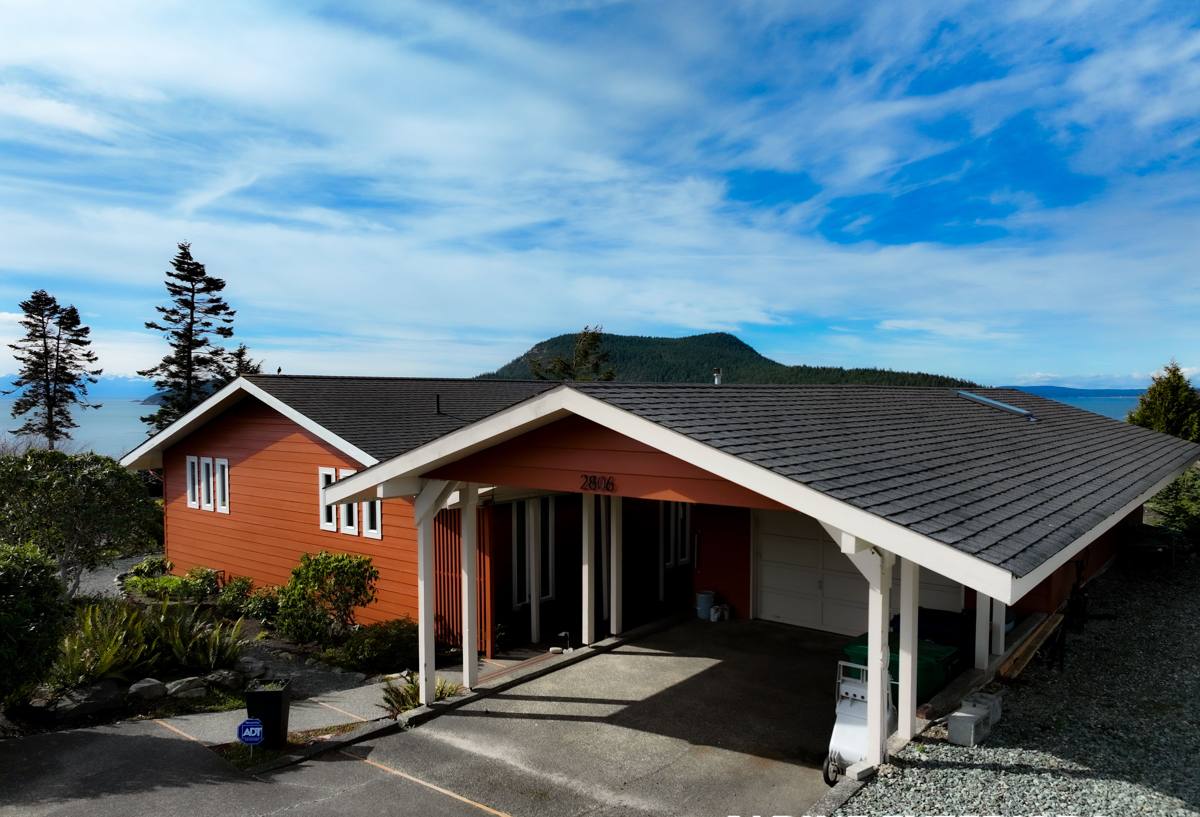
Mercer Island sits in the middle of Lake Washington, connected to Seattle and the Eastside by I-90, and that in-between geography shapes everything about how a home's exterior ages here. Homes are wrapped in mature tree canopy, sit close to a large body of water, and see a mix of sun exposure and deep shade depending on which side of the island a lot falls on. That combination is good for privacy and views, but it is tough on siding, roofing, windows, and decks. We work throughout King County, and Mercer Island is one of the areas where we see the clearest, fastest evidence of what unmanaged moisture does to a house over ten or twenty years.
None of this means Mercer Island homes are falling apart — most are well-built and well-kept. It means the exterior envelope has to be chosen and installed with this specific environment in mind, not treated as an afterthought.
The Regional Climate Factor: Rain, Shade, and a Long Moss Season
King County's marine climate means long stretches of steady, low-intensity rain from fall through spring, punctuated by wind events that drive rain sideways into walls, soffits, and window trim. On an island surrounded by water, that moisture load doesn't let up the way it might a few miles inland — humidity stays elevated, surfaces stay damp longer after a storm, and anything shaded by trees or a neighboring structure can take days to fully dry out.
That's the setup for moss, algae, and mildew, and it's why "moss season" on Mercer Island isn't really a season at all — it's closer to a year-round condition on north-facing walls and roof slopes that never see direct sun. Left alone, moss holds moisture against a surface, and sustained moisture is the single biggest driver of premature siding and roof failure in this region. It's not usually one dramatic storm that damages a house here; it's years of surfaces that never quite dry between rain events.
What This Means in Practice
- North- and shade-facing walls need siding and paint systems that tolerate sustained dampness, not just occasional rain
- Roof valleys and north slopes need regular moss treatment and gutter maintenance to keep water moving off the structure
- Window and door flashing has to be installed correctly the first time — repeated wetting finds any gap in the seal
- Deck framing and ledger connections need real drainage planning, since standing moisture under a deck board is where rot starts
Siding: Why We Only Install James Hardie Fiber Cement
We install James Hardie fiber cement siding exclusively. We don't offer vinyl, LP SmartSide, Cemplank, Allura, primed spruce, or cedar as options, and that's a deliberate standard, not a limitation of what we're capable of installing.
In a climate like this one, the material's relationship with moisture matters more than almost anything else about it. Vinyl siding expands and contracts significantly with temperature swings and can warp or bow over time, and its seams and J-channels give water pathways to collect behind the panel where it can't be seen. Wood-based products, including primed spruce and engineered wood, depend entirely on an intact factory or field-applied coating; once that coating is compromised by a scratch, a poorly sealed cut edge, or years of moss holding moisture against the surface, the substrate underneath can swell, delaminate, or rot. Cedar is a beautiful, genuinely traditional Pacific Northwest material, but it requires an ongoing maintenance commitment — refinishing, sealing, and monitoring — that most homeowners don't want to sign up for indefinitely, especially on a heavily shaded, moisture-prone lot.
James Hardie fiber cement is cement, sand, and cellulose fiber — it doesn't absorb water the way wood-based products do, it won't warp like vinyl, and it's non-combustible, which matters more each year as wildfire smoke and regional fire risk become part of Pacific Northwest summers. Hardie's ColorPlus factory finish is baked on under controlled conditions and holds color and resists fading and moisture intrusion far better than a field-applied paint job, and it comes backed by a strong transferable warranty when installed to Hardie's specifications.
Hardie Product Lines We Work With
- HardiePlank lap siding — the most common choice, available in several exposures and textures
- HardiePanel — vertical panel siding, often used for board-and-batten looks or accent sections
- HardieShingle — shingle-style panels for homes wanting a traditional shingle look without cedar's upkeep
- HardieTrim — matching trim boards for a consistent, factory-finished look at corners, fascia, and window surrounds
Correct installation — proper clearances off grade and roofing, correct fastener placement, sealed and flashed penetrations, and factory-finished cut edges sealed in the field — is what actually delivers the performance and warranty coverage Hardie is known for. A lot of the "why didn't my siding hold up" complaints in this region trace back to installation shortcuts, not the material itself.
Roofing for Mercer Island Homes
Roofs on Mercer Island deal with the same moss and moisture pressure as siding, plus wind exposure that varies a lot by lot depending on tree cover and orientation to the lake. We handle full roof replacements and repairs, and on most homes here the conversation starts with three things: current moss and moisture damage, ventilation, and how well the roof's drainage is actually working.
What We Check on Every Roof Estimate
- Condition of shingles or roofing material, including granule loss and moss penetration into the surface
- Flashing at valleys, chimneys, and roof-to-wall transitions — the most common source of hidden leaks
- Attic ventilation, since poor airflow traps moisture that condenses and damages roof decking from underneath
- Gutter sizing and condition, especially under mature trees that shed needles and leaves year-round
Moss removal and prevention treatments matter here more than in drier parts of the county, and we factor realistic moss-season maintenance into what we recommend rather than treating it as a one-time fix.
Windows: Comfort and Moisture Control
Older single-pane or early dual-pane windows are common on Mercer Island's established housing stock, and beyond the comfort and energy cost issues, aging window seals are a direct moisture entry point. Failed seals let condensation form between panes, and failed exterior flashing around the window frame lets bulk water into the wall assembly — which is exactly the kind of hidden moisture problem that goes unnoticed for years in a shaded, damp environment.
We install replacement windows with attention to correct flashing and integration with the surrounding siding, since a window is only as good as the seal around it. For homes getting new Hardie siding, replacing aging windows at the same time lets us integrate the window flashing and the siding water-management details as one continuous system rather than patching around old window trim.
Decks: Built for Standing Up to Wet Winters
A lot of Mercer Island properties are built to take advantage of lake views and mature landscaping, which means decks that see heavy shade, falling debris, and long stretches of dampness underneath. Deck failures in this climate are rarely dramatic — they're slow rot at ledger boards, post bases, and joist connections where water sits without ever fully drying.
We build and repair decks with drainage and airflow as first-order design considerations: proper ledger flashing against the house, post bases that keep wood off standing water, and decking materials matched to how much sun and shade a specific deck actually gets. A deck on the shaded, lake-facing side of a Mercer Island home needs different detailing than one on a sunny south-facing lot, even on the same street.
Comparing Siding Approaches for a Lake-Effect Climate
| Factor | Vinyl | Wood / Engineered Wood | James Hardie Fiber Cement |
|---|---|---|---|
| Moisture tolerance | Doesn't absorb water, but seams and gaps trap moisture behind panels | Absorbs water if coating fails; prone to swelling and rot | Resists water absorption; engineered for wet climates |
| Moss/mildew resistance | Surface growth possible, doesn't damage the panel itself | Moss holds moisture against substrate, accelerating decay | Surface can be cleaned without damaging the material underneath |
| Fire resistance | Combustible | Combustible | Non-combustible |
| Finish durability | Can fade, warp with temperature swings | Depends entirely on maintaining the coating | Factory-baked ColorPlus finish resists fading |
| Long-term maintenance | Low, but limited repairability | Ongoing refinishing/sealing required | Occasional wash; no refinishing needed |
Why a Local King County Crew Matters
Access on Mercer Island is different from a lot of King County — narrower lots, mature landscaping close to the house, and, for waterfront or lake-view properties, careful staging around decks, retaining walls, and slopes. A crew that works across King County regularly knows how to plan material staging and site protection for these conditions instead of improvising on the day of the job.
Local experience also means we've seen how specific exposures on the island perform over years, not just in a single estimate visit — which shaded walls hold moisture longest, which roof orientations need more frequent moss treatment, and which older homes are due for a full look at flashing and window seals rather than a single-issue patch.
A Simple Homeowner Checklist for Mercer Island Exteriors
- Walk the north and shaded sides of your home each fall and look for moss buildup on siding and roofing
- Check gutters after leaf drop — clogged gutters push water toward siding and fascia instead of away from the house
- Look at window trim and caulking for cracking or gaps, especially on the sides that take direct wind-driven rain
- Check under deck boards near the house for standing water or soft, discolored wood
- Have your roof inspected every few years, not just when a leak already shows up inside
What to Expect When You Call Us
We start with a straightforward walk-around of the exterior — siding, roof, windows, and any decks — and talk through what we're seeing in plain terms: what's holding up fine, what's showing early wear, and what actually needs attention now versus what can wait. If siding replacement makes sense, we'll explain why James Hardie is the only material we install and how it fits your home's specific sun and shade exposure. There's no pressure and no inflated scope — just an honest assessment from a crew that works this exact climate every week.
If you're noticing moss buildup, aging windows, a roof that's due for a look, or siding that's past its useful life, we'd be glad to come take a look. Reach out for a free, no-pressure estimate using the form below.