 King County
 Exterior Contractor Serving Capitol Hill
Capitol Hill is one of Seattle's older, denser neighborhoods — a mix of Craftsman bungalows, brick apartment buildings, and updated single-family homes shaded by decades-old street trees. That combination of age, tree canopy, and King County's marine climate puts a specific kind of pressure on exterior building materials. We work on homes throughout Capitol Hill and the surrounding Seattle area, and we've built our siding, roofing, window, and deck work around what actually holds up here — not what looks good on a spec sheet in a drier climate.
This page covers what Capitol Hill homes tend to face from the weather, how our exterior services address it, and why we standardized on one siding system instead of offering a menu of options.
What the Climate Does to Capitol Hill Exteriors
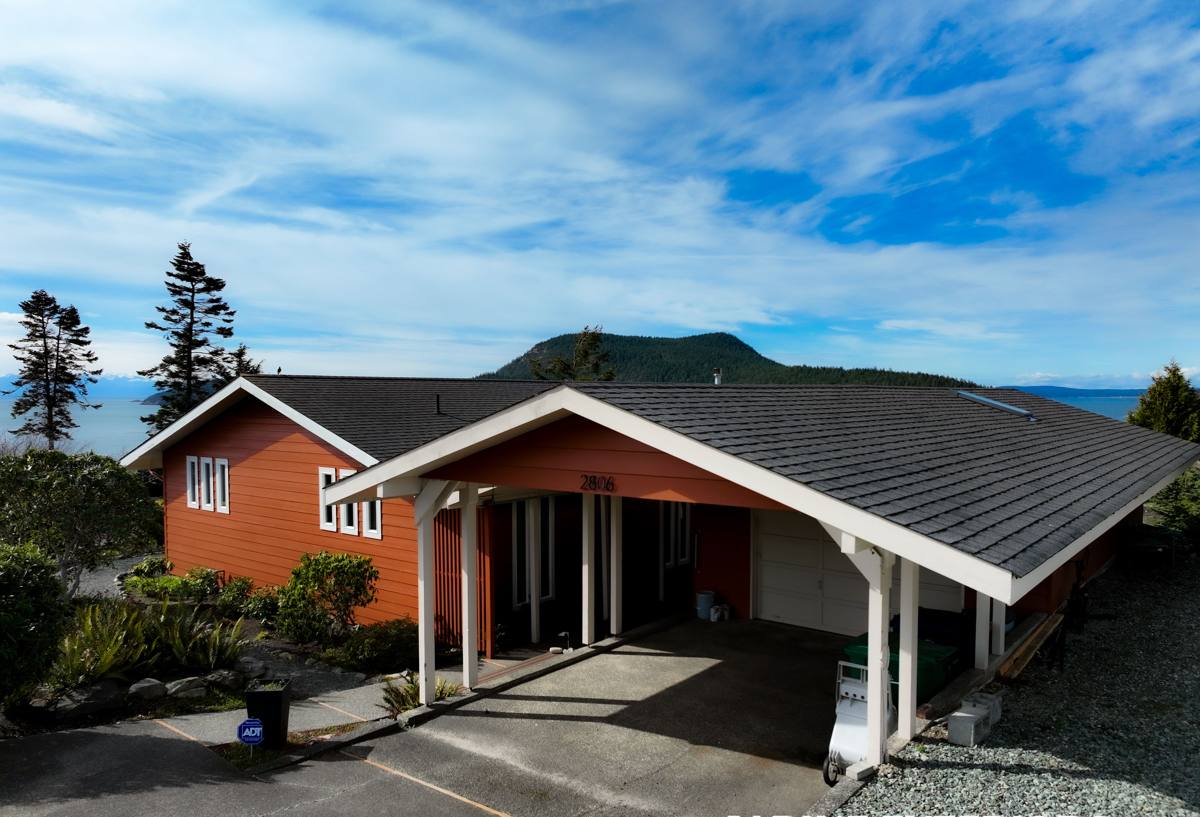
King County's exterior work has to account for three things year-round: persistent moisture, moss, and marine air moving in off Puget Sound. None of these are dramatic on any single day, but they add up over years, and they're the reason a lot of exterior failures in this area are slow, quiet, and easy to miss until they're expensive.
Driving Rain and Sustained Dampness
Seattle doesn't get the heaviest rainfall totals in the country, but it gets a lot of days where surfaces simply stay wet — long stretches of drizzle and driving rain punctuated by wind that pushes moisture sideways into siding, window trim, and roof edges. Materials that absorb water, swell, or take a long time to dry out are working against the climate from day one. Anything with exposed seams, unsealed cut edges, or a finish that isn't fully water-resistant is going to show it eventually — usually as soft spots, staining, or paint failure.
Moss, Shade, and a Long Growing Season
Capitol Hill's mature tree canopy is one of its best features and one of the harder things on a roof or a north-facing wall. Shade keeps surfaces from drying quickly after rain, and King County's mild, wet winters give moss and algae a long season to establish themselves on roofing, gutters, and siding that doesn't get much sun. Left alone, moss holds moisture against the surface underneath it, which is where the real damage starts.
Marine Air
Proximity to Puget Sound means homes in the greater Seattle area deal with salt-tinged, humid marine air in addition to rainfall. That combination accelerates corrosion on fasteners and metal trim, and it's part of why we pay close attention to what hardware and flashing we use, not just what siding or roofing product goes on the wall.
Siding Services in Capitol Hill
Siding takes the brunt of King County's weather, which is why it's the product decision we're most particular about. We install James Hardie fiber cement siding exclusively. We don't offer vinyl, LP SmartSide, Cemplank, Allura, primed spruce, or cedar as options — not because those products can't be installed correctly by someone, but because after years of exterior work in this climate, we don't think they hold up as well as fiber cement against sustained moisture, and we'd rather stand fully behind one system than sell homeowners something we have reservations about.
Why James Hardie
James Hardie fiber cement is non-combustible, dimensionally stable in wet climates, and comes with a factory-applied ColorPlus finish that resists fading and doesn't require the homeowner to repaint on the same schedule as wood or engineered wood products. Hardie also makes climate-specific HZ product lines engineered for exactly the kind of wet, moderate-temperature conditions Capitol Hill sees. The manufacturer's transferable warranty is also a meaningful factor — it's backed by a large, established company, not a smaller regional manufacturer.
What Correct Installation Involves
Fiber cement siding is only as good as its installation. Proper Hardie installation in a wet climate means correct flashing and weather-resistant barrier detailing behind the siding, proper fastener spacing and type, correct clearance from grade and roof lines, and sealed or capped cut edges. We follow manufacturer installation specifications closely because in a climate like King County's, shortcuts on flashing and moisture management are exactly what turns into rot and callbacks two or three winters later.
Roofing Services
Roofs in Capitol Hill deal with the same moss and moisture pressure as siding, plus the added complication of valleys, penetrations, and edges where water concentrates. We handle roof repair and replacement, and a large part of our roofing work in this neighborhood is addressing moss growth, worn flashing around chimneys and skylights, and gutter systems that aren't keeping up with the volume and duration of King County rainfall. Good roofing here isn't just about the shingle or membrane — it's about the details at every edge, seam, and penetration where water tries to find a way in.
Window Services
Older Capitol Hill homes often still have original or early-replacement windows that were never built for today's energy expectations, and that let moist air condense on cold glass and frames through the winter. We replace and install windows with attention to proper flashing and sealing at the rough opening — the same principle that applies to siding applies here: most window-related water damage doesn't come from the window itself, it comes from a gap or a poorly sealed transition where the window meets the wall. Upgrading windows can also meaningfully cut down on condensation and drafts in a climate where homes stay damp and cool for much of the year.
Deck Services
Decks in this climate spend most of the year wet, shaded, or both, which makes material choice and framing details more important than they'd be somewhere drier. We build and repair decks with attention to ledger board flashing, proper drainage away from the house, and materials suited to sustained moisture exposure. A deck that looks fine going into fall can hide framing or ledger issues that only show up as soft or spongy spots after a full wet season — that's a common repair call we get from Capitol Hill homeowners.
Siding Material Trade-Offs
| Factor | James Hardie Fiber Cement | Vinyl / Engineered Wood |
|---|---|---|
| Moisture behavior in wet climates | Dimensionally stable, resists water absorption when properly installed | Can swell, warp, or degrade at seams and cut edges over time |
| Fire resistance | Non-combustible | Vinyl softens/melts under heat; engineered wood is combustible |
| Finish and maintenance | Factory-applied ColorPlus finish, long repaint intervals | Vinyl can fade; engineered wood typically needs more frequent repainting |
| Warranty | Manufacturer-backed, transferable | Varies by product and manufacturer |
| Upfront cost | Higher material and installation cost | Generally lower upfront cost |
The upfront cost gap is real, and we're upfront about it. Our position is that in a climate that stays wet as much as King County's does, the long-term maintenance and durability difference is worth more than the initial savings — but it's a decision every homeowner should make with the full picture, not just a lower number on a quote.
Why a Local King County Crew Matters
Exterior work in Capitol Hill isn't the same job as exterior work in a dry inland climate, and it isn't identical to work in other parts of King County either — lot sizes, tree coverage, and older home construction here all factor into how a job gets planned. A local crew that works this area regularly understands Seattle's permitting process, knows what inspectors are looking for on flashing and weather barrier details, and has already seen how different products and installation shortcuts perform after a few Puget Sound winters. That local track record matters more than a generic install crew that treats every region the same way.
What to Look For in a Local Contractor
- Experience specifically with King County's wet, marine climate — not just general exterior experience
- Manufacturer training or certification on the products they install, especially fiber cement siding
- Clear explanation of flashing and moisture-barrier details, not just the finished product
- Proper licensing and insurance for work in Washington State
- Willingness to walk you through why they use one product system instead of offering every option
- References or completed work you can actually see, not just marketing photos
Getting Started
If you're dealing with moss buildup, aging siding, a leak that shows up every rainy season, or windows and decks that are past their working life, we're happy to take a look and give you a straight, no-pressure assessment of what your Capitol Hill home actually needs. Reach out for a free estimate using the form below.