 King County
 Exterior Work Built for Woodinville's Climate
Woodinville sits in that stretch of the Eastside where the marine air off Puget Sound meets valley terrain and heavier tree cover, and the result is a microclimate that's noticeably damper and shadier than a lot of King County. Homes here deal with long stretches of driving rain in fall and winter, high humidity that lingers into spring, and a moss and algae season that can run most of the year on north-facing walls and roof planes. That combination is hard on exterior materials that weren't built to shed water and resist organic growth, and it's a big part of why we've narrowed our siding lineup down to one product system instead of offering everything under the sun.
We're a King County-based exterior contractor working on siding, roofing, windows, and decks, and Woodinville is part of our regular service area. This page walks through what local homes tend to run into, how our process works, and why we stand behind the materials we install.
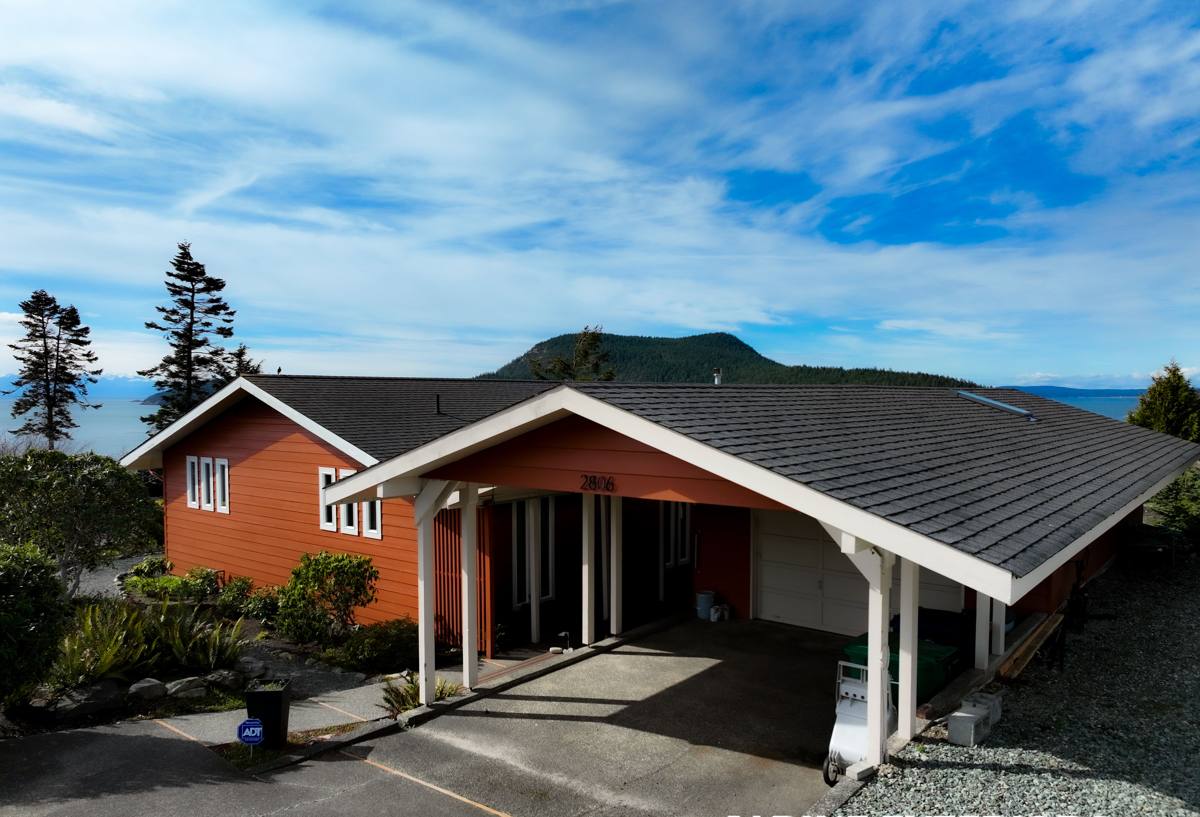
What Woodinville Homes Actually Face
Moisture That Doesn't Let Up
King County's wet season isn't just rain — it's rain that sits. Wooded lots, tall fencing, and homes built close together all slow down airflow and drying time on exterior walls. Siding, trim, and roofing that can't handle sustained moisture exposure start showing problems years before they should: swelling at seams, soft spots at the bottom edges of boards, and paint or coatings that fail early because the substrate underneath stayed damp too long.
Moss, Algae, and Shade
Mature tree canopy is one of the things people like about Woodinville, but it also means more shaded roof and wall area, and shade plus moisture is exactly what moss and algae need to take hold. Roofs with heavy moss buildup lose their ability to shed water efficiently, and siding that stays damp under organic growth is more prone to the kind of moisture intrusion that leads to rot underneath.
Temperature Swings and UV
It's not all rain — Woodinville also gets stretches of hot, dry summer sun, and that swing between soaked winter conditions and UV-heavy summer days puts real stress on exterior materials. Products that expand, contract, or fade unevenly under that cycle show it fast, especially on south- and west-facing exposures.
Siding: Why We Only Install James Hardie
We get asked fairly often why we don't offer vinyl, LP SmartSide, Cemplank, Allura, or primed wood siding options. It's a fair question, and the honest answer is that we made a standardization decision based on what holds up in this climate with the least long-term maintenance burden for the homeowner.
The Trade-Offs We Weighed
- Vinyl siding is affordable and low-maintenance in dry climates, but it can warp or buckle under temperature swings, and its seams and lap joints give moisture more opportunities to get behind the material over time — a real concern given how much rain King County gets.
- LP SmartSide and other engineered wood products use wood strand cores that perform well when installation and caulking are perfect and stay that way for decades, but any breach in that protective layer opens the door to moisture absorption and swelling — a higher-stakes bet in a climate this wet.
- Cemplank and Allura are both fiber cement products and share a lot of the same underlying chemistry as Hardie, but factory finish quality, color warranty terms, and regional product engineering vary between manufacturers, and we standardized on the one we trust most for both product and warranty support.
- Primed cedar or spruce siding looks great when it's new, but raw or primed wood needs a maintained paint film to stay protected, and that upkeep schedule is a real, recurring cost most homeowners underestimate until the first signs of rot show up at butt joints and bottom edges.
James Hardie fiber cement is non-combustible, dimensionally stable across wet and dry cycles, and available in climate-engineered HZ product lines designed specifically for regions with weather like ours. Its ColorPlus factory finish is baked on under controlled conditions rather than field-applied, which means better fade resistance and a coating warranty that isn't riding on how well caulking was done on install day. For a house that's going to sit under Woodinville tree cover and take on a full wet season every year, that's the system we're willing to put our name behind.
Siding Product Comparison
| Material | Moisture Behavior | Maintenance | Our Position |
|---|---|---|---|
| James Hardie fiber cement | Dimensionally stable, non-combustible | Low — factory finish, occasional wash | What we install |
| Vinyl | Can warp/buckle; seams allow moisture entry | Low, but limited repair options | Not offered |
| LP SmartSide / engineered wood | Vulnerable if protective layer is breached | Moderate — caulk/seal maintenance | Not offered |
| Cemplank / Allura | Similar fiber cement chemistry | Low | Not our standardized brand |
| Primed cedar/spruce | Needs intact paint film to resist rot | High — repainting cycle required | Not offered |
Roofing for the Eastside's Wet, Shaded Conditions
Roofs in Woodinville do a lot of work. Beyond shedding regular rainfall, they need to resist moss colonization on shaded planes, handle the occasional windstorm debris from mature trees, and hold up through repeated wet-dry cycling without granule loss or flashing failure. We handle full roof installations and repairs, and a big part of doing that job right in this area is paying close attention to flashing details around valleys, penetrations, and chimneys — those are the spots where moss-related and moisture-related roof failures actually start, far more often than the field of the roofing material itself.
If a roof already has moss buildup, we look at ventilation and shading conditions as part of the evaluation, not just the shingles, because addressing airflow can meaningfully slow how fast moss comes back after a roof is cleaned or replaced.
Windows That Perform in a Wet Marine Climate
Window replacement in a climate like Woodinville's is as much about installation as it is about the window unit itself. A quality window installed with poor flashing and sealant work will leak eventually — it's just a matter of time and rain volume. We pay particular attention to proper flashing integration with the surrounding wall assembly (especially important when we're also doing the siding work, since the two trades need to coordinate at every window opening), correct sealant application, and drainage paths that let any incidental moisture get back out rather than trapped in the wall cavity.
Beyond moisture performance, newer window units also bring real efficiency gains — better seals and glazing mean less heat loss during our cold, damp winters and less solar heat gain during the summer sun stretches.
Decks Built to Survive King County Winters
A deck in Woodinville spends a good portion of the year wet, and the structural framing underneath the decking boards is where problems actually start — ledger board attachment, joist protection, and proper drainage away from the house are what determine whether a deck lasts one decade or three. We build and repair decks with that substructure work as the priority, not just the visible surface boards, because a deck that looks fine on top can still have a compromised ledger connection or rotting joists underneath if it wasn't built or maintained correctly.
How Our Process Works
Assessment First
Every project starts with an honest look at the actual condition of the exterior — not just what a homeowner called about, but what we can see nearby that might affect the scope. Siding calls often turn up trim or flashing issues; roof calls sometimes reveal moss damage that's already reached the decking below.
Straightforward Scope and Pricing
We walk through what needs to happen, what it will cost in broad terms, and why — no pressure, no inflated urgency. Exterior work is a real investment, and homeowners deserve to understand what they're paying for before they commit.
Installed to Spec
Manufacturer installation requirements exist for a reason, especially with a product like James Hardie siding where correct fastening, clearances, and flashing integration are what make the difference between a system that performs for decades and one that fails early. We install to those specs, not around them.
What to Check Before Hiring an Exterior Contractor
- Are they licensed and insured to work in Washington State?
- Do they specialize in your climate zone, or are they applying a one-size-fits-all approach from a drier region?
- Can they explain why they use the specific products they use — not just recite a sales pitch?
- Do they coordinate trades (siding, windows, flashing) so the whole exterior envelope works together?
- Is their warranty backed by both the manufacturer and their own workmanship guarantee?
Why a Local Crew Matters
Working across King County day in and day out means we see how houses in this specific climate actually age — which north walls hold moss the longest, which roof valleys clog first, which siding materials from other jobs we get called to look at are failing and why. That local pattern recognition is worth more than a general contractor working from a national playbook, because Woodinville's combination of tree cover, marine humidity, and seasonal rain volume isn't the same as what a crew from a drier or less wooded region is used to solving for.
Get an Estimate
If you're weighing siding, roofing, window, or deck work on a Woodinville home, we're happy to take a look and give you a straightforward, no-pressure estimate — including an honest read on what your home's specific exposure and shading are doing to your current exterior. Use the form below to get started.