 King County
 Exterior Work Built for How Seattle Actually Weathers
Seattle homes live under a specific combination of stresses that a lot of national contractors underestimate: marine air moving in off Puget Sound, long stretches of driving rain from fall through spring, filtered but real sun exposure in summer, and shade patterns from mature trees that keep north-facing walls damp for days after a storm passes. None of that is exotic. It's just constant. Over years, that constancy is what wears down an exterior faster than any single dramatic event does.
King County Exterior works on siding, roofing, windows, and decks across Seattle, and we approach all four the same way: figure out what the house is actually up against on its specific lot — sun exposure, tree cover, slope, prevailing wind direction — and build or repair the exterior to hold up against that, not against a generic spec sheet.
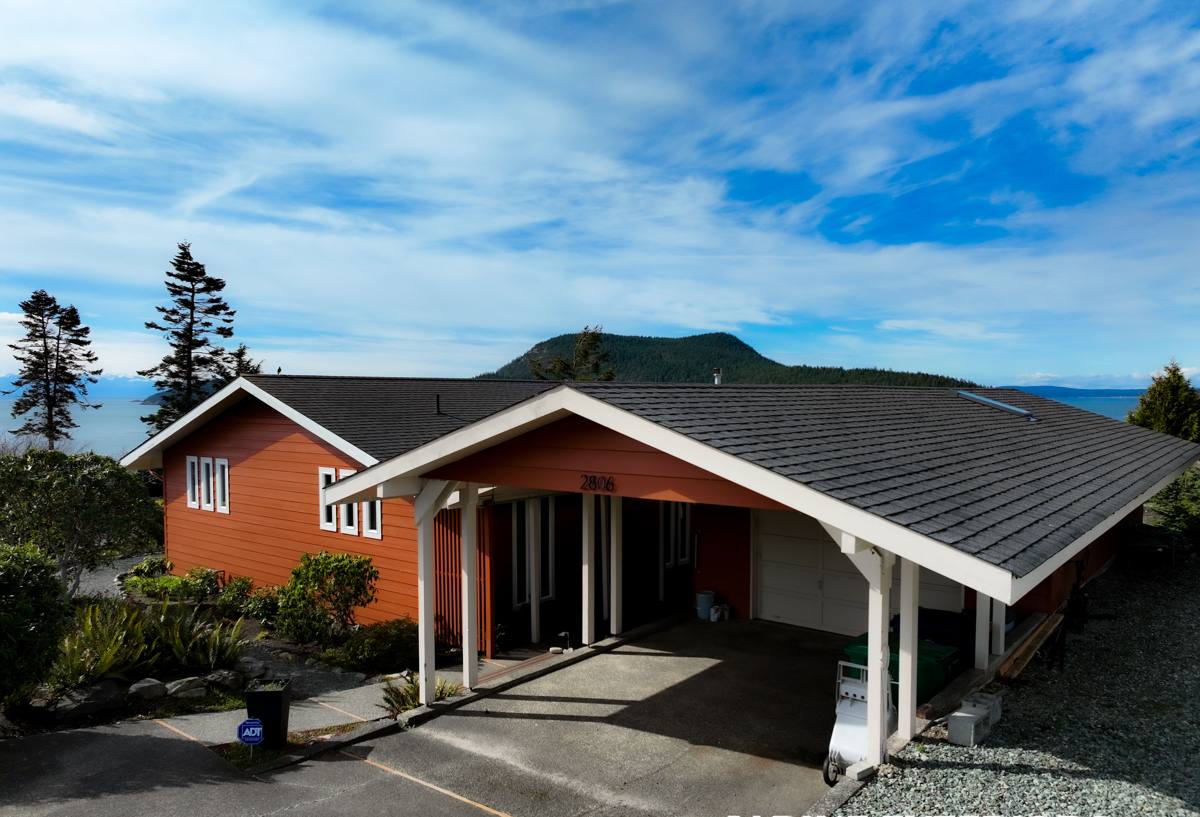
What the Climate Does to a Seattle Exterior
Moisture Is the Main Character
Seattle doesn't get the heaviest annual rainfall in the country, but it gets some of the most persistent — long duration, low intensity, day after day. That kind of rain doesn't just wet a surface, it finds every gap, seam, and fastener point given enough time. Siding, trim, and roofing details that are "close enough" in a drier climate become chronic leak points here within a few wet seasons.
Moss and Organic Growth
Shaded roofs and north-facing siding in this region grow moss, algae, and lichen almost as a default state. Left unaddressed, moss holds moisture against roofing material and siding surfaces far longer than open air would, accelerating rot in wood-based products and granule loss on roofing. It's rarely dramatic — it's slow, and that's exactly why it gets ignored until it's expensive.
Salt Air and Wind
Homes closer to the Sound deal with a mild but real salt-air component that speeds up corrosion on fasteners, flashing, and any exposed metal, and it degrades paint films and lesser siding finishes faster than inland homes experience. Add in wind-driven rain during winter storms, and any gap in a building envelope becomes a moisture entry point instead of a cosmetic issue.
Temperature Swings, Just Enough to Matter
Seattle doesn't see extreme freeze-thaw cycling like colder climates, but it gets enough of it — combined with saturated materials — to open small cracks in caulking, siding joints, and roofing seals wider each year if they aren't maintained.
Siding: Why We Only Install James Hardie
Siding is the single biggest factor in how well a Seattle home resists this climate over the long run, which is why we made a deliberate decision as a company: we install James Hardie fiber cement siding, exclusively. We don't install vinyl, LP SmartSide, Cemplank, Allura, or wood products like primed spruce or cedar. That's not a marketing position — it's a standard we hold because of what we've seen happen to exteriors in wet Pacific Northwest climates over time.
What Rules Out the Alternatives Here
- Vinyl siding can warp and gap at its seams under sustained moisture and temperature cycling, and those gaps become water entry points behind the cladding — exactly the failure mode this climate punishes hardest.
- Wood siding (cedar, primed spruce) looks great initially but requires disciplined, recurring maintenance — repainting, caulking, moisture sealing — to resist rot in a climate this wet. Skip a cycle or two and the damage compounds quickly.
- LP SmartSide is a treated engineered wood product; it holds up reasonably well when installed and maintained to spec, but any breach in its factory treatment or field-applied finish opens a path for moisture to reach the wood substrate underneath.
- Cemplank and Allura are also fiber cement, so they share some of Hardie's core advantages over vinyl and wood — but we've standardized our crews, warranty process, and install details around one system rather than juggling multiple product lines, and Hardie is the one with the strongest regional track record and factory finish system we've found.
Why James Hardie Fits This Climate
Fiber cement is non-combustible and dimensionally stable — it doesn't swell, warp, or rot the way wood-based sidings can when they take on moisture. Hardie's ColorPlus factory finish is baked on under controlled conditions rather than applied on-site, which means better adhesion and color consistency than field-painted siding, and it holds up better against the fading and film breakdown that salt air and UV accelerate. Hardie also engineers specific product lines (their HZ5 line, for example) for wetter, harsher climates, which matters in a region where "normal" weather means months of sustained rain.
Installation Is Where It's Won or Lost
Fiber cement's durability depends heavily on correct installation — proper clearances above rooflines, decks, and grade, correct fastening patterns, sealed joints, and functioning drainage behind the cladding. A Hardie installation done wrong can still trap moisture; done right, it's built to shed it. That installation discipline is the actual product we're selling, not just the material.
Roofing for Seattle's Wet, Shaded, Mossy Conditions
Roofs here take a beating from the same forces as siding, but roofing failures are usually less forgiving because they're harder to spot early. We look at ventilation, flashing details around penetrations and valleys, and moss/organic growth management as core parts of any roofing job — not add-ons. A roof that sheds water well but traps humid air underneath will still develop problems, just from the inside out instead of the outside in.
Common Seattle Roofing Issues
- Moss buildup on shaded slopes holding moisture against shingles or underlayment
- Flashing failures at chimneys, skylights, and valleys where wind-driven rain concentrates
- Inadequate attic ventilation trapping condensation that mimics a roof leak
- Granule loss and premature aging on roofs with heavy tree cover and organic debris
Windows: Sealing Out Driving Rain and Drafts
Older or poorly installed windows are a common source of the slow water intrusion that plagues Seattle homes, especially on walls exposed to prevailing storm direction. Beyond comfort and energy costs, a failed window seal lets moisture into wall cavities where it can sit unnoticed. When we replace windows, flashing and integration with the surrounding siding matters as much as the window unit itself — a great window installed with a bad seal still leaks.
Decks: Built to Handle Standing Water and Shade
Decks in Seattle deal with a specific combination of challenges: standing water from long rain events, shaded areas that stay damp between storms, and the same moss and algae growth that affects roofs. Ledger board connections, proper drainage/slope, and materials chosen for wet-climate performance are the details that determine whether a deck lasts or starts failing structurally within a decade.
Cost Factors to Understand Before You Budget
| Factor | Why It Matters in Seattle |
|---|---|
| Tree cover / shade exposure | More shade means more moss management and slower drying, which can affect material choice and maintenance frequency |
| Wall orientation | Walls facing prevailing storm direction take more wind-driven rain and may need more attention to flashing and sealing |
| Existing moisture damage | Hidden rot behind old siding or under a roof adds scope once it's uncovered — this is common on homes over 20-25 years old here |
| Access and lot slope | Many Seattle lots have significant grade change, affecting equipment access and labor time |
| Product tier | Hardie's various siding lines (and comparable tiers in roofing/window products) vary in price based on climate engineering and finish |
A Local Crew Is Not a Convenience — It's a Requirement
Seattle's microclimates vary block to block based on elevation, tree cover, and proximity to the water. A crew that works this specific area regularly recognizes what a given house is dealing with before the first inspection is even finished — which walls take the worst weather, which roof slopes hold moss, where drainage problems tend to originate on this kind of lot. That local pattern recognition shortens the guesswork and reduces the chance of missing a problem that isn't obvious on a dry, sunny day.
What to Look for in Any Exterior Contractor Here
- Proper licensing and insurance for work in Washington State
- Manufacturer-specific installation training, not just general carpentry experience
- A clear explanation of how they'll handle moisture management and drainage, not just the finished appearance
- Willingness to point out problems you didn't ask about, like hidden rot or ventilation issues
- A written scope and warranty you actually understand before work starts
Get a Straightforward Look at Your Exterior
Whether it's siding showing its age, a roof that's overdue for a real inspection, windows that let in more draft than light, or a deck that's starting to feel soft underfoot, it helps to have someone look at the whole picture rather than one component in isolation. If you'd like a free, no-pressure estimate on your Seattle home, the form below is the easiest way to get started.