 King County
 Exterior Work Built for Kirkland's Climate
Kirkland sits on the eastern shore of Lake Washington in King County, and the exterior of a home here works harder than most homeowners realize. The lake keeps humidity levels up year-round, the broader Puget Sound marine climate pushes long stretches of driving rain through the region every fall and winter, and the tree cover that makes Kirkland's neighborhoods attractive also keeps roofs, siding, and decks shaded and damp for weeks at a time. That combination is exactly what moss, algae, and slow moisture damage need to take hold.
None of this is unique to one street or one style of house. It's a regional pattern, and it shows up on older homes with tired siding just as often as it does on newer builds where lower-grade materials were used to control cost. What matters is how a home's exterior is built and maintained to handle that pattern year after year — not just how it looks the day it goes up.
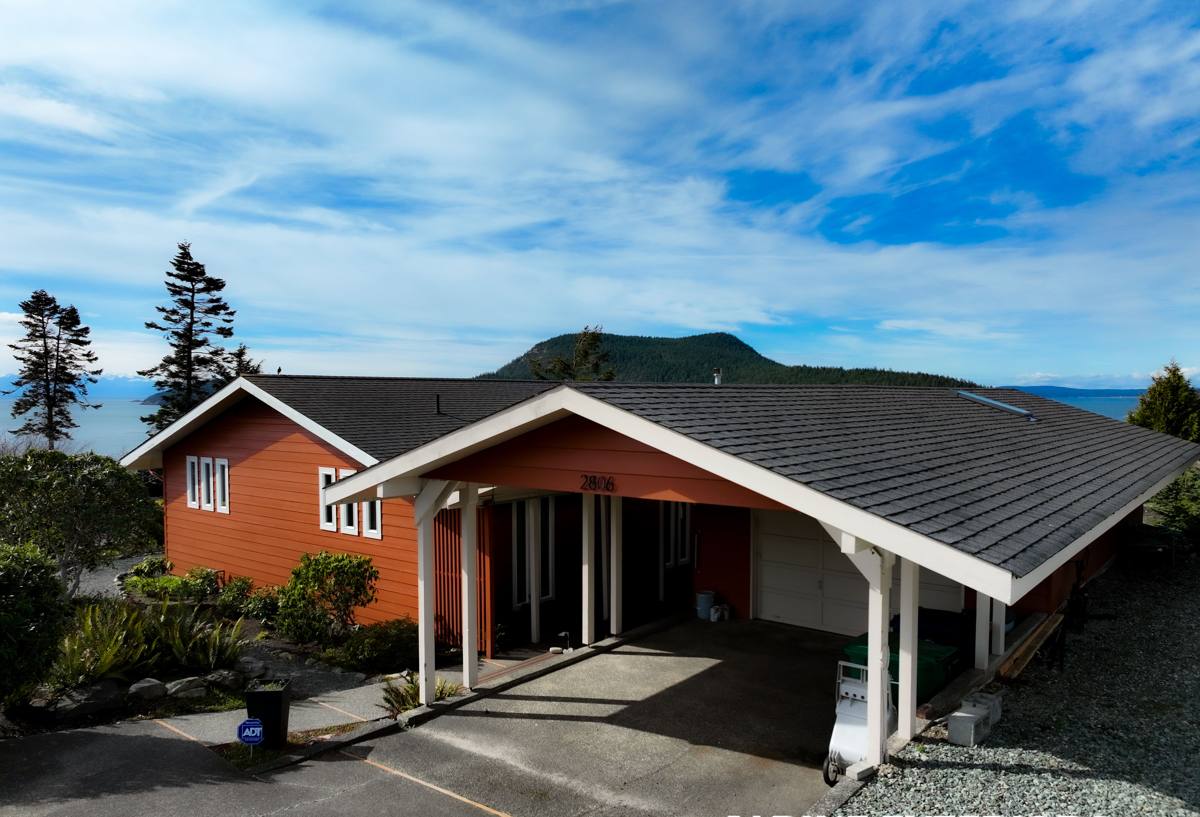
What Kirkland's Weather Actually Does to a House
Rain That Doesn't Let Up
The Pacific Northwest doesn't get dramatic storms as much as it gets persistence — weeks of steady, driving rain that finds every gap, seam, and unsealed joint on an exterior. Siding and trim that aren't installed with proper flashing, caulking, and clearances will eventually let water behind them, and once moisture gets trapped against wood sheathing, rot follows quietly, often for years before it's visible from the outside.
Moss, Algae, and a Long Wet Season
Shade, humidity, and mild temperatures are a perfect environment for moss and algae growth on roofs, siding, and decking. Materials that hold moisture — or that have a surface texture and porosity that let organic growth get a foothold — will show green and black staining faster here than they would in a drier climate. This is one of the biggest practical differences between exterior products on paper and how they actually perform on a Kirkland roofline.
Marine Air and Slow Material Fatigue
Kirkland isn't directly on saltwater, but the broader Puget Sound marine climate still means persistently moist, salt-tinged air moving through the region, especially compared to inland or high-desert climates. Over years, that steady moisture exposure accelerates wear on paint finishes, fasteners, and any exterior material that wasn't engineered with a wet climate in mind.
Siding in Kirkland: Why We Only Install James Hardie
We install James Hardie fiber cement siding exclusively. We don't install vinyl, LP SmartSide, Cemplank, Allura, primed spruce, or cedar — not because those products don't have a place in the market, but because after years of exterior work in this climate, we've standardized on the product we're confident holds up here without surprises.
Fiber cement is engineered specifically to resist the two things that damage siding fastest in King County: moisture absorption and organic growth. It's non-combustible, which matters given how much wildfire smoke and regional fire risk has become part of the conversation in Washington summers. Hardie's ColorPlus factory-applied finish is baked on under controlled conditions, which holds color and resists fading and peeling far better than field-applied paint — a real advantage in a climate where repainting siding is an expensive, recurring chore.
Hardie also builds region-specific product lines engineered for different climate zones, and the HZ5 line used in the Pacific Northwest is formulated for exactly the kind of freeze-thaw cycling, sustained moisture, and humidity Kirkland sees. Backed by a strong transferable warranty, it's a product we can stand behind — not just recommend.
How Hardie Compares to Common Alternatives
| Material | Moisture Behavior | Moss/Algae Resistance | Long-Term Maintenance |
|---|---|---|---|
| James Hardie fiber cement | Engineered to resist swelling and moisture damage | Dense, engineered surface resists organic growth | Factory finish holds color; minimal repainting |
| Vinyl | Doesn't absorb water but can trap moisture behind panels if installed poorly | Smooth surface but seams and laps collect grime | Can warp, fade, or crack over time; not repainted |
| LP SmartSide (engineered wood) | Wood-based core is moisture-sensitive if seals fail | More vulnerable in prolonged wet, shaded conditions | Edge sealing and caulk maintenance are critical |
| Cedar / primed spruce | Natural wood; absorbs moisture without diligent upkeep | Requires regular treatment to resist moss and rot | Highest maintenance; refinishing on a recurring cycle |
This isn't a claim that other products are unusable — plenty of homes around the region are sided in each of these materials. It's a reflection of the trade-offs we're not willing to install our name behind, given how much of the year Kirkland spends wet.
Roofing Services for Kirkland Homes
Roofing in this climate is as much about moss and moisture management as it is about the shingles themselves. We look at underlayment quality, ventilation, flashing around valleys and penetrations, and gutter integration — all the details that determine whether a roof sheds water cleanly or slowly feeds it into the structure underneath. Given how much tree cover Kirkland has, we also pay close attention to moss prevention strategies during installation, since a roof that's shaded most of the day needs a different approach than one in full sun.
Windows
Window replacement in the Pacific Northwest is largely a story about seals and flashing. A window unit can be well-built and still fail early if it's not properly flashed and integrated with the surrounding siding — and that integration is exactly where a lot of water intrusion problems in older Kirkland homes originate. When we replace windows, we treat the flashing and weatherproofing detail around each opening as seriously as the window unit itself, particularly on wall sections most exposed to wind-driven rain.
Decks
Decks take a different kind of beating in this climate — standing moisture on horizontal surfaces, freeze-thaw cycling in winter, and moss buildup on boards that don't get much sun. Proper decking work here means attention to board spacing and drainage, ledger board flashing where the deck meets the house (a common failure point), and materials or finishes suited to near-constant dampness for months at a time. A deck built without those details in mind will show problems well before its structural life should be up.
Signs Your Kirkland Home's Exterior Needs Attention
- Green or black staining on siding, roofing, or decking that keeps returning after cleaning
- Soft or spongy spots on siding, trim, or deck boards
- Paint that's peeling, bubbling, or chalking, especially on north- and shade-facing walls
- Gaps, cracking, or separation at caulked joints and trim edges
- Water stains on interior ceilings or walls near exterior walls or windows
- Visible moss growth on roof surfaces, particularly in shaded valleys
- Fascia or soffit discoloration, a common early sign of roof drainage issues
Why a Local Crew Matters in Kirkland
Exterior work isn't one-size-fits-all across King County. A crew that mostly works drier, sunnier climates will make different assumptions about flashing details, moss prevention, and material selection than one that works Kirkland's lake-effect humidity and shaded lots every week. Knowing which details actually matter here — where water tends to collect, how long moss-prone conditions last, how homes in this area are typically built — comes from doing the work locally and repeatedly, not from a generic install checklist.
A local crew is also easier to hold accountable. Warranty work, follow-up questions, and seasonal maintenance advice are simpler when the company installing your exterior is based in the same county and climate you live in, not dispatched from out of the area for a single job.
What to Expect Working With Us
We start with an on-site assessment of your home's current siding, roofing, windows, or deck condition — looking specifically for moisture damage, ventilation issues, and any areas where past work may have cut corners on flashing or sealing. From there we walk through material options (for siding, that means which James Hardie profile and color line fits the home), give you a straightforward scope and price range, and explain the installation details that matter most for a Kirkland property specifically.
We don't oversell add-ons that don't apply to your situation, and we don't quote a price without actually looking at the house first. What you get is a plan built around your home's real exposure — sun, shade, wind direction, tree cover — not a generic package.
Cost Factors Homeowners Should Know
| Factor | Why It Matters in Kirkland |
|---|---|
| Home size and wall complexity | More corners, dormers, and trim details mean more labor and flashing work |
| Existing damage found during tear-off | Hidden rot behind old siding or roofing is common in older, wetter-climate homes |
| Siding profile and Hardie product line | Lap, shingle, and panel styles vary in material and labor cost |
| Access and site conditions | Steep lots, mature trees, and tight lake-view properties can affect setup and staging |
| Roof pitch and moss remediation needs | Steeper, shaded roofs often need extra prep and moss treatment before installation |
We'll walk through which of these apply to your specific property during the estimate, so the number you get reflects your home, not a regional average.
If your Kirkland home's siding, roof, windows, or deck are showing signs of wear — or you're planning ahead before the next wet season sets in — we're happy to take a look. Use the form below to request a free, no-pressure estimate.