 King County
 Renton's Climate and What It Does to a Home's Exterior
Renton sits where the Cedar River meets Lake Washington, close enough to Puget Sound that the marine influence is part of daily life here. That means long stretches of steady, low-intensity rain rather than hard downpours, humid air that lingers in shaded yards and north-facing walls, and a moss and algae season that can stretch from October well into spring. None of that is dramatic on any single day. The damage shows up slowly, over years, in siding that stays damp too long, roofs that hold moisture under a moss mat, window frames that swell and stick, and deck boards that never fully dry between storms.
Homes in this part of King County also deal with tree cover — big-leaf maples, Douglas fir, cedar — that drops needles and leaves into gutters and valleys and keeps roof and siding surfaces shaded and slower to dry. A house on a sunny, open lot in Renton Highlands ages differently than one tucked under mature trees near the river. Good exterior work accounts for that difference instead of treating every house the same.
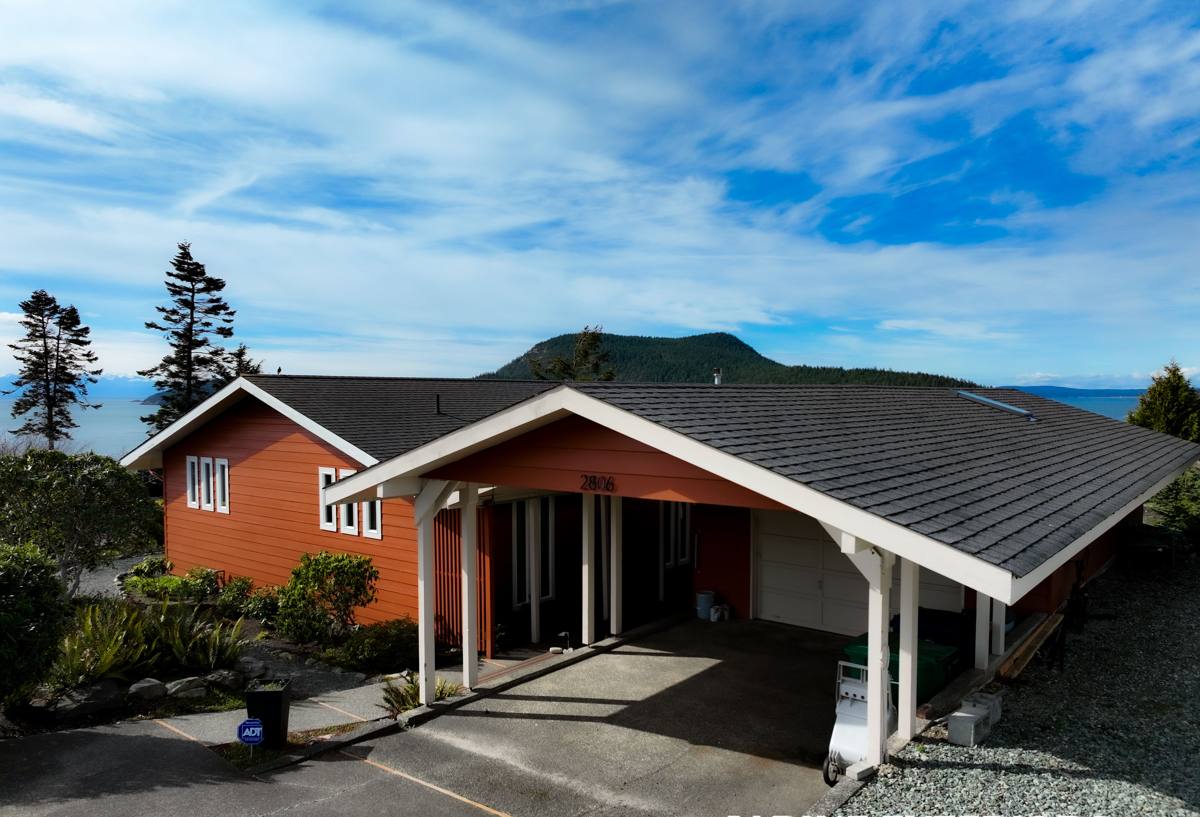
Siding in Renton: Why We Only Install James Hardie
We install James Hardie fiber cement siding exclusively. We don't install vinyl, LP SmartSide, Cemplank, Allura, primed spruce, or cedar. That's not a marketing position — it's a standard we hold because of what we've seen happen to other siding materials in exactly this kind of climate over time.
Vinyl siding is inexpensive and low-maintenance in the sense that it doesn't need painting, but it's a thin plastic product that expands and contracts with temperature swings, can crack in cold snaps, and traps moisture behind it if house wrap and flashing aren't perfect — a real risk in a region where walls stay damp for months at a stretch. Engineered wood products like LP SmartSide use wood strand cores that are more moisture-resistant than raw lumber, but they're still wood-based, meaning any breach in the finish or a caulking failure can lead to swelling and rot at seams and cut edges. Primed spruce and cedar are traditional and look great initially, but they're organic materials in a climate that rarely lets them dry out fully — they need real maintenance discipline (repainting, caulking, moisture checks) to hold up, and moss and mildew growth on cedar in shaded, damp King County yards is common.
James Hardie fiber cement is cement, sand, and cellulose fiber — it doesn't rot, it isn't attractive to insects, and it's non-combustible, which matters given wildfire smoke seasons have become a regular part of Pacific Northwest summers. Hardie's ColorPlus factory-applied finish is baked on under controlled conditions, which holds color and resists the fading and peeling that field-applied paint struggles with in our climate. Hardie also engineers specific product lines (HZ5) for regions with damp, moisture-heavy weather, which describes King County well.
What Correct Installation Involves
Fiber cement performs the way it's supposed to only when it's installed to Hardie's specifications — correct clearances above rooflines and decks, proper fastening, and flashing details that keep water moving out and away from the wall assembly rather than trapped behind it. We follow those specs on every job, because siding failures are almost always installation failures, not product failures.
Roofing in Renton: What Holds Up Under Constant Rain and Moss
Roofs in Renton work harder than they look like they do. It's rarely a single storm that causes a roof failure here — it's cumulative moisture. Moss holds water against shingles and shortens their life, clogged valleys back water up under flashing, and shaded north slopes stay wet longer after every rain, which accelerates granule loss and algae staining.
We install and repair roofing systems suited to this climate: proper underlayment for wind-driven rain, ice-and-water shield at vulnerable transitions, and flashing details at chimneys, skylights, and valleys done right the first time, since re-flashing after a leak is far more disruptive than getting it correct during installation. We also talk to homeowners honestly about moss — it's manageable with the right roof surface, occasional treatment, and keeping tree limbs back from the roofline, but it's never fully avoidable in a wooded King County lot.
Windows: Comfort, Efficiency, and Moisture Control
Older windows in this climate tend to show their age in a specific way: condensation between panes, sashes that swell and stick in wet months, and drafts that show up once the wind picks up off the lake. Replacing windows in Renton isn't just about energy bills, though a properly installed, well-sealed window does help with heating costs through our long, damp winters. It's also about keeping moisture from working its way into the wall cavity around the window opening, which is one of the more common hidden sources of rot in older homes.
We pay close attention to flashing and sealing at the window opening itself, not just the window unit — that's usually where problems actually start.
Decks: Built for Wet Winters and PNW Sun
A deck in King County lives two lives — soaked and shaded for much of the year, then exposed to direct sun in summer. That swing is hard on materials that aren't built for it. Untreated or poorly maintained wood decking checks, cups, and grays quickly, and any spot where water pools or debris collects becomes a rot starting point. Composite decking has become popular here for good reason: it doesn't need staining or sealing, resists moisture absorption, and holds up to the freeze-thaw and wet-dry cycling that's common from fall through spring.
Whatever the material, deck longevity in this climate comes down to details most homeowners never see: proper spacing for drainage and airflow underneath, ledger board flashing where the deck meets the house (a classic failure point), and joist protection. We build and repair decks with those details treated as non-negotiable, not optional upgrades.
Why a Local Crew Matters
Exterior work in King County isn't generic. A crew that mainly works drier climates will make different assumptions about drying time, flashing margins, and moss tolerance than one that works Renton, Kent, and the rest of the Puget Sound lowlands every week. Knowing which neighborhoods sit shaded most of the day, which lots run damp because of tree cover or proximity to the river and lake, and how local permitting and inspection processes work all shapes how a job gets planned and sequenced — not just how it looks when it's done.
There's also a simple accountability argument: a contractor based in and around King County is going to be reachable next year, and the year after that, if a warranty question comes up. That matters more with exterior work than almost any other kind of home improvement, because problems with siding, roofing, or decks often don't show up for a season or two.
What to Expect: Process, Timeline, and Cost Factors
Every home and project is different, but here's a general sense of what drives scope and cost on exterior projects in the Renton area:
| Factor | Why It Matters Here |
|---|---|
| Home size and complexity | More corners, dormers, and roof planes mean more flashing detail work, which is where labor time goes |
| Tree cover and shading | Heavily shaded lots often need more moisture-mitigation detailing and take longer to dry between steps |
| Existing condition | Hidden rot or moisture damage found once old siding or roofing comes off can add scope |
| Access and site conditions | Sloped lots and tight side yards, common in older Renton neighborhoods, affect staging and timeline |
| Season | Work is plannable year-round, but wetter months require more schedule flexibility for drying and curing |
We walk every property in person before quoting anything. A phone estimate on exterior work in this climate isn't a real estimate — too much depends on what's actually happening at the wall and roof surfaces.
Maintenance Checklist for King County Homes
A little seasonal attention goes a long way toward protecting exterior work here. We recommend homeowners keep an eye on:
- Gutters and downspouts clear before the fall rains start, and again mid-winter if trees are nearby
- Roof valleys and north-facing slopes checked for moss buildup once a year
- Caulking and sealant around windows and doors inspected annually for cracking or gaps
- Deck ledger boards and joist areas checked for staining or soft spots, especially where the deck meets the house
- Siding checked at grade level and around any deck or roof intersections, where clearances matter most
- Tree limbs kept trimmed back from rooflines and siding to reduce shading and debris
Getting Started
If you're weighing a siding, roofing, window, or deck project on a Renton home, we're glad to take a look and give you a straightforward assessment of what your exterior actually needs — no pressure, no inflated scope. Reach out for a free estimate and we'll walk the property with you in person.