 King County
 Building Exteriors for Issaquah's Climate
Issaquah sits where the Puget Sound lowlands start climbing into the foothills, and that location shapes everything about how a house exterior ages here. The valley traps moisture, tree cover keeps yards and roofs shaded for long stretches of the day, and the surrounding hillsides mean a lot of homes get less direct sun and more standing dampness than houses closer to open water or flatter ground. Add in King County's long wet season, and you get a climate that is hard on paint, hard on wood, and very good at growing moss on anything that stays damp for more than a day or two.
None of that is unusual for this part of King County. But it does mean an exterior contractor working in Issaquah needs to think differently than one working in a drier, sunnier market. Material choice, ventilation, flashing detail, and maintenance planning all have to account for a house that may not fully dry out between storms for months at a time.
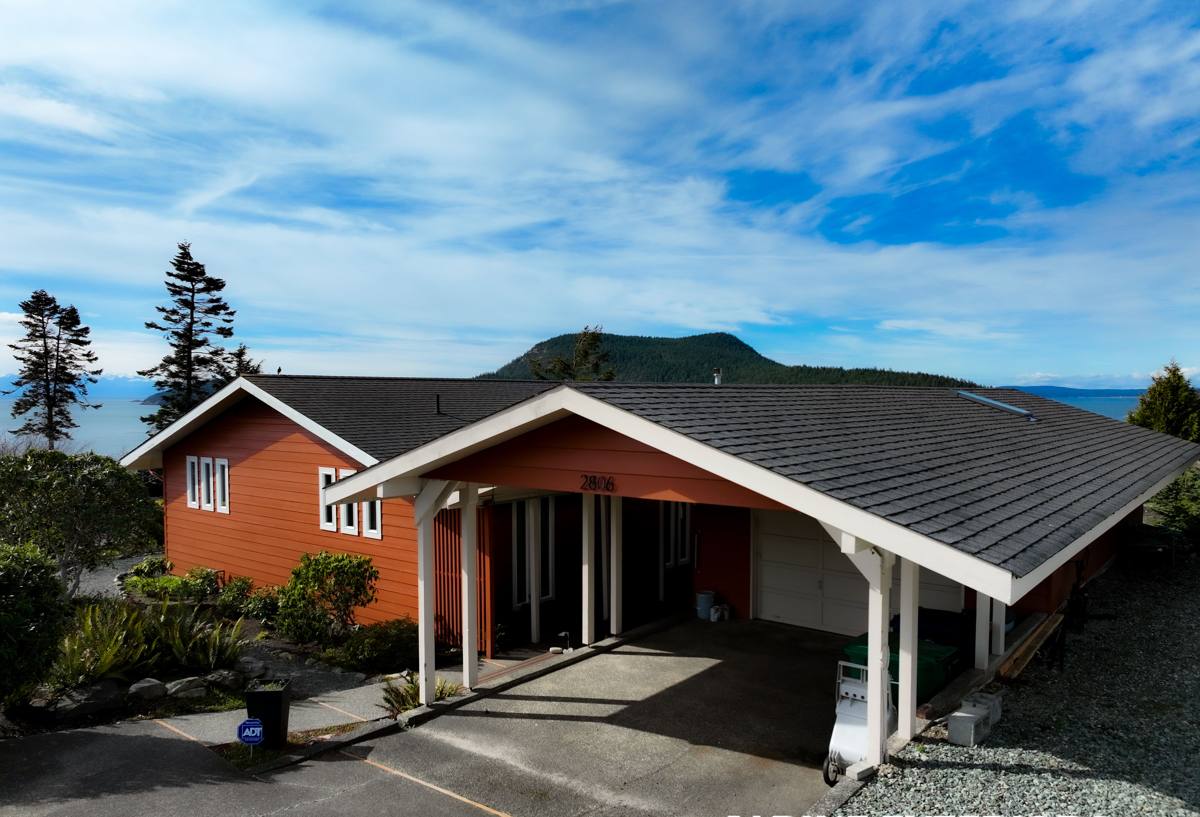
What Issaquah Homes Face: Moss, Moisture, and Shade
Moss and Organic Growth
Shaded rooflines, north-facing siding, and tree-lined lots are a recipe for moss, algae, and mildew. Moss holds water against a surface, and sustained moisture is the enemy of almost every exterior material — it swells wood, breaks down paint film, and can work its way into seams and fastener points over time. On homes with heavy tree cover, moss isn't an occasional problem; it's a maintenance item that shows up every year if the exterior isn't built and finished to resist it.
Driving Rain and Wind-Driven Moisture
Storms coming off the Sound or funneling through the foothills don't just fall straight down — wind pushes rain sideways into siding, window trim, and door jambs. That means the details matter as much as the material: proper flashing above windows and doors, correct lap and overlap on siding courses, and drainage planes that actually let water out instead of trapping it behind the cladding.
Temperature Swings and Freeze-Thaw
Issaquah's elevation and proximity to the hills mean slightly cooler, damper conditions than lower-lying parts of King County, with more freeze-thaw cycling in the winter months. Materials that absorb water and then freeze are prone to cracking, splitting, and paint failure over a few seasons — which is a big part of why we're selective about what goes on a house here.
Siding: Why We Only Install James Hardie
We install James Hardie fiber cement siding exclusively. We don't install vinyl, LP SmartSide, Cemplank, Allura, primed spruce, or cedar, and in a climate like Issaquah's, that's a deliberate standard, not a brand preference.
Wood-based sidings — cedar, primed spruce, engineered wood products like LP SmartSide — perform fine in dry climates, but they rely on paint film and consistent maintenance to keep moisture out. In a valley with heavy shade and a long wet season, that paint film is under constant stress, and any gap in maintenance shows up as swelling, checking, or rot faster than it would somewhere drier. Vinyl siding is low-maintenance in one sense, but it can warp with temperature swings, doesn't stop moisture on its own, and doesn't offer the fire resistance homeowners increasingly want given wildfire smoke seasons in the broader region.
James Hardie fiber cement is non-combustible, doesn't swell or rot the way wood-based products can, and comes factory-finished with ColorPlus technology — meaning the color is baked on in a controlled environment, not brushed on in the field where weather and humidity can affect cure quality. Hardie's HZ5 product line is engineered for climates with more moisture and temperature cycling, which fits King County's foothill communities well. It also carries a strong transferable warranty, which matters to homeowners who may sell within a decade or two.
We're not going to tell you wood siding or vinyl is junk — plenty of homes around the region have worn it for years. But we've made a professional call: in this climate, we want to stand behind an exterior that we know will hold up with reasonable maintenance, not one that requires near-perfect upkeep to avoid problems. That's why Hardie is the only siding we put on a house.
Roofing: Shade, Debris, and Moss Management
Roofs in wooded, shaded neighborhoods take a different kind of beating than roofs in open, sunny areas. Needles and leaf litter collect in valleys and behind chimneys, moss gets a foothold on north-facing slopes, and debris buildup can hold water against shingles long after a storm has passed. Good roofing work here means correct underlayment and flashing so that trapped moisture doesn't become trapped water, ventilation that lets a roof deck actually dry out between wet spells, and material choices suited to a shaded, moss-prone environment. Gutter and downspout sizing also matters more in a market like this — undersized or clogged gutters back water up under the roof edge, which is one of the more common causes of rot we see on older homes.
Windows: Comfort, Condensation, and Weather Sealing
Older windows in this area often show two problems at once: drafts from failed seals, and condensation or fogging between panes from broken seals on older dual-pane units. In a climate with persistent humidity, both issues get worse over time rather than better. Replacement windows with tight, correctly installed flashing and modern glazing packages cut down on condensation, improve comfort in shaded rooms that don't get much passive solar warmth, and reduce the energy loss that comes with older, leaky frames. Installation detail is just as important as the window itself — a good window installed with poor flashing will leak eventually, especially with the wind-driven rain this area sees.
Decks: Building for a Wet, Shaded Environment
Decks on shaded, tree-covered lots deal with the same moss and moisture issues as siding and roofing, plus the added stress of foot traffic and standing water on horizontal surfaces. Proper spacing between boards, correct ledger flashing where the deck meets the house, and material choices suited to persistent dampness all matter more here than in a drier climate. A deck that isn't detailed correctly at the house connection is one of the more common sources of hidden water damage we find during exterior work — it's worth getting right the first time.
Why a Local King County Crew Matters
A crew that works throughout King County and understands Issaquah's specific mix of shade, elevation, and moisture builds differently than a crew used to drier, sunnier conditions elsewhere. That local knowledge shows up in small decisions — how much overlap to give siding courses, where to expect moss buildup, how to flash a deck ledger against a shaded wall — that add up to an exterior that actually holds up. It also means someone who knows the area is available for a warranty call or a maintenance question years down the line, not a crew that did one job and moved on.
Our Process
- Free on-site assessment of your siding, roofing, windows, and/or decking
- Honest evaluation of what needs replacement now versus what can wait
- Written estimate with clear scope — no vague allowances
- Scheduling that accounts for King County's wet-season work windows
- Correct installation detail: flashing, drainage planes, and ventilation, not just the visible finish
Cost Factors to Understand
| Factor | Why It Matters in Issaquah |
|---|---|
| Shade and tree cover | More moss and moisture exposure often means more prep work and attention to ventilation |
| Home age | Older homes may have hidden moisture damage under existing siding or roofing that affects scope |
| Access and lot grade | Sloped, wooded lots common in the foothills can affect equipment access and labor time |
| Material choice | Fiber cement has a higher upfront cost than vinyl but a longer service life and stronger warranty |
| Scope of work | Full exterior replacement versus single-component repair changes both cost and disruption |
A Simple Maintenance Checklist for Issaquah Homeowners
- Clean gutters and downspouts at least twice a year, more often on heavily wooded lots
- Check north-facing and shaded siding sections for moss or algae buildup each fall
- Inspect deck ledger boards and flashing for soft spots or discoloration annually
- Look at window seals and frames for drafts or fogging before winter
- Have roof valleys and behind-chimney areas cleared of debris before the wet season starts
If you're noticing moss, moisture staining, drafty windows, or a deck that's starting to feel soft in spots, it's worth having a local crew take a look before small problems turn into bigger ones. We offer free, no-pressure estimates for siding, roofing, windows, and decks throughout Issaquah and the surrounding King County area — fill out the form below to get started.