 King County
 Metal Roofing Built for Mercer Island's Conditions
Mercer Island sits in a pocket of King County where heavy tree canopy, near-constant fall and winter rain, and long stretches of shade combine to shorten the life of an ordinary roof faster than homeowners expect. A roof here spends most of the year damp, catches falling needles and leaf debris from mature landscaping, and rarely gets the sustained sun exposure that dries out a roof surface elsewhere in the region. Metal roofing holds up well against that combination when it's specified and installed correctly for the site, which is different from installing it the same way you would on an open, sun-exposed lot.
We install metal roofing across King County, and Mercer Island jobs come with their own set of considerations: steep and wooded lots, tight access on some streets, and homes where the roofline is visible from the water or from neighboring properties, which makes appearance as much a factor as performance.
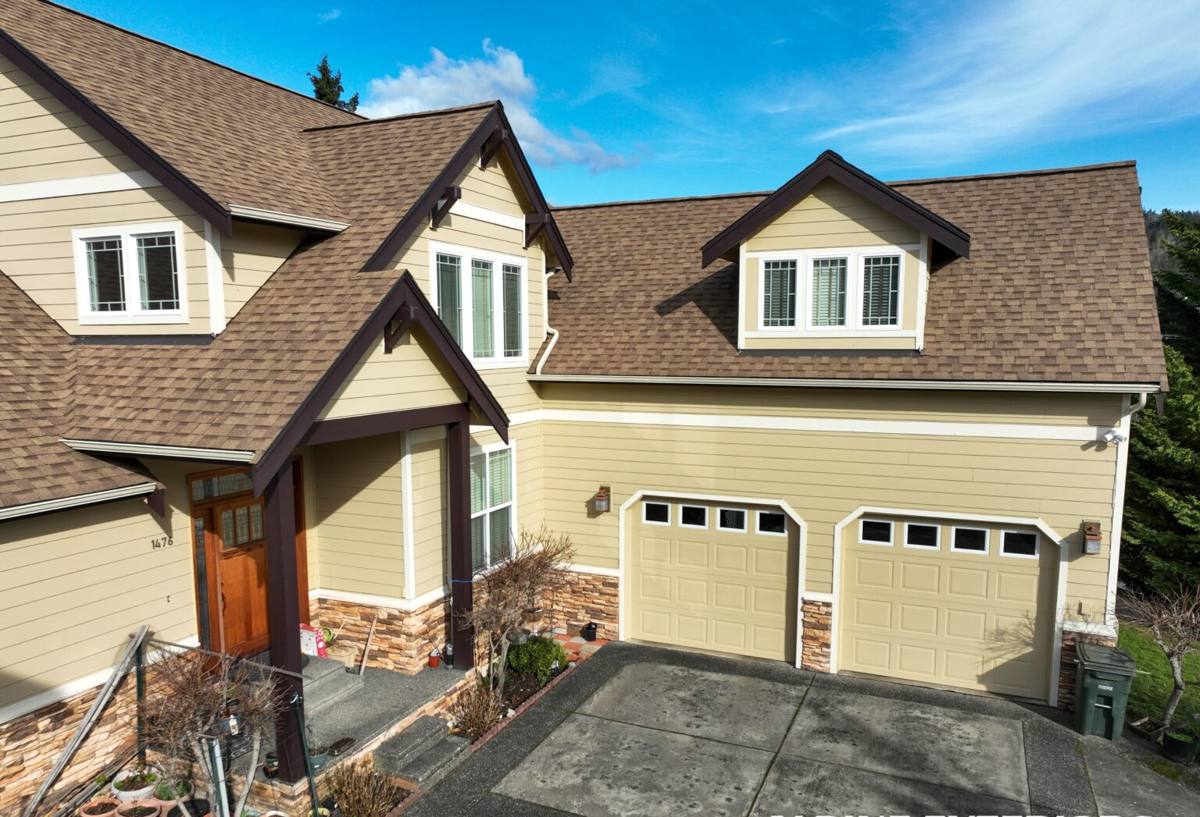
What the Local Climate Actually Does to a Roof
The Puget Sound region's marine-influenced air, driving rain events, and long moss season aren't just weather trivia — they're the reason certain roofing choices last and others fail early on Mercer Island specifically.
Moisture that doesn't dry out
Between the lake-effect humidity and the shade from mature trees, roof surfaces on Mercer Island stay damp longer after a storm than they would in a more open, wind-exposed neighborhood. That extended dampness is exactly what moss, moisture-loving algae, and slow rot need to take hold.
Moss and organic buildup
Tree cover means a steady supply of needles, leaves, and organic debris landing on the roof and collecting in valleys and behind chimneys. Left alone, that debris holds water against the roof surface and feeds moss growth, which lifts shingles, clogs drainage paths, and traps moisture against fasteners and flashing.
Driving rain and wind-driven water
Storms coming off Puget Sound don't always fall straight down — wind-driven rain finds its way under poorly lapped seams, around loose flashing, and into any gap in a roof's drainage plan. A roof designed for this area needs positive drainage and properly lapped, sealed transitions, not just watertight material.
Salt-tinged marine air
King County's proximity to Puget Sound means the air carries a mild salt and moisture load even well inland, which accelerates corrosion on unprotected fasteners and lower-grade metal over time. It's a slow effect, but it's why fastener quality and coating specification matter more here than in a dry inland climate.
Metal Roofing Systems We Install
Not every metal roof is built the same way, and the right system depends on the home's roofline, budget, and how visible the roof is. We walk homeowners through the trade-offs rather than pushing one product for every job.
| System | How It's Fastened | Best Fit | Trade-offs |
|---|---|---|---|
| Standing seam | Concealed clips, no exposed fasteners on the panel field | Visible rooflines, longer-term homeowners, low-slope sections | Higher upfront cost; requires precise install to look and perform right |
| Exposed fastener panel | Screws driven through the panel face into structure | Budget-conscious projects, outbuildings, simpler rooflines | Fasteners need periodic inspection and eventual replacement as gaskets age |
| Stone-coated steel | Interlocking panels, often profiled to look like shingle or tile | Homeowners who want a metal roof's durability with a more traditional look | More installation steps; profile detailing matters for water shedding |
For most Mercer Island homes dealing with heavy tree cover and shaded, slow-drying roof planes, we lean toward standing seam or a well-detailed concealed-fastener system, since it gives moss and debris fewer places to hang up and fewer penetration points for water to find.
What a Correct Installation Actually Involves
The metal panel itself is the visible part, but it's rarely what causes a roof to fail early. Problems almost always trace back to what's underneath and around it.
Underlayment
A high-temperature, self-adhered synthetic underlayment goes down first as the roof's real waterproofing layer. In a climate with this much sustained moisture, we don't treat underlayment as a formality — it's the backup plan for the day a seam, fastener, or flashing detail is put to the test.
Flashing and transitions
Valleys, chimneys, skylights, and wall-to-roof transitions are where the majority of leaks originate on any roof, metal included. These details get custom-formed flashing and proper layering — not caulk as a substitute for correct lapping.
Fastener and coating quality
Given the mild marine air common across King County, we use fasteners and panel coatings rated for corrosion resistance rather than the cheapest option available. A few dollars saved per fastener isn't worth a callback in five years over rust streaks and failed gaskets.
Ventilation
Metal roofs perform best with a ventilated assembly underneath — either a vented deck or an air gap between deck and panel. On shaded, damp Mercer Island roofs, that airflow is what keeps condensation from forming on the underside of the panel and dripping back into the attic.
Snow, moss, and debris management at the details
Valleys and eave lines get extra attention so moss and needle debris don't dam up water behind a lapped seam. Panel profile choice and valley detailing are decided with this in mind, not just for looks.
Our Process, Start to Finish
- On-site assessment — we look at the existing roof, decking condition, tree exposure, drainage paths, and any trouble spots like valleys or chimney flashing before recommending anything.
- System and profile selection — based on the roofline, shading, and your budget, we walk through which metal system fits, including honest trade-offs.
- Written estimate — scope, materials, and pricing spelled out before any work begins, with no pressure to decide on the spot.
- Tear-off and deck inspection — old roofing comes off and the deck gets checked for rot or soft spots before anything new goes down, since covering a bad deck just hides the problem.
- Underlayment, flashing, and panel installation — installed in the sequence and detail level described above.
- Final walkthrough and cleanup — we review the finished roof with you and clear the site of debris and fasteners.
Cost Factors Specific to Mercer Island Projects
Metal roofing costs more upfront than asphalt shingle, and the exact number depends on several site-specific factors more than the material price alone.
| Factor | Why It Matters Here |
|---|---|
| Roof access and lot slope | Steep, wooded Mercer Island lots often mean more setup time and crane or hoist logistics for material staging |
| Existing deck condition | Extended moisture exposure under old roofing can mean deck repair or replacement before install |
| Roof complexity | Valleys, dormers, and multiple roof planes add flashing work and labor time |
| Panel system chosen | Standing seam runs higher than exposed-fastener panel due to material and install precision |
| Tree removal or trimming needs | Overhanging limbs sometimes need clearing first to protect the new roof and give crews safe access |
We give a firm, itemized number after the on-site assessment — not a phone estimate — because these factors vary too much house to house to guess accurately in advance.
Maintenance Homeowners Should Actually Plan For
Metal roofing needs far less maintenance than shingle, but "low maintenance" isn't "no maintenance," especially under Mercer Island's tree cover.
- Clear needles and leaf debris from valleys and behind chimneys once or twice a year, more often under heavy tree cover
- Keep gutters and downspouts flowing freely so water isn't backing up under eave flashing
- Have a professional check fastener and sealant condition every few years, especially on exposed-fastener systems
- Trim back overhanging branches that keep sections of roof shaded and slow to dry
- Watch for any moss starting to establish in shaded valleys and remove it before it spreads
- After major windstorms, do a visual check for lifted flashing or displaced debris in drainage paths
Why Hiring a Crew That Already Works Mercer Island Matters
Mercer Island has its own rhythm compared to other King County communities — narrower streets on some blocks, permitting through the island's own process, mature tree canopy that affects both access and roof design, and homeowners who often care as much about how a roof looks from the street or the water as how it performs. A crew that already handles jobs here knows what staging and access typically look like before the truck shows up, understands local permitting expectations, and isn't learning the island's quirks on your project. That translates into fewer surprises, a smoother timeline, and a roof detailed correctly for the specific way this island's weather and tree cover behave, rather than a generic install plan borrowed from a drier, more open site.
Signs It Might Be Time to Replace Rather Than Repair
Not every aging roof needs full replacement, but certain signs point toward it rather than another round of patching:
- Moss regrowth in the same spots year after year despite cleaning
- Soft or spongy decking discovered during any repair work
- Repeated leaks around the same valley, chimney, or skylight
- Visible rust or fastener failure across a significant portion of the roof
- A roof already past its expected service life facing another wet season
If you're weighing a repair against a full metal roof replacement on your Mercer Island home, we're happy to take a look and give you a straight answer about which one actually makes sense — including if that answer is "repair is fine for now." Reach out for a free, no-pressure estimate and we'll walk the roof with you.