 King County
 Why Rainier Valley Homes Need Windows Built for This Climate
Homes in Rainier Valley deal with a specific combination of weather stress that most window products aren't really designed around: months of driving rain, damp marine air that never fully dries out, and a moss season that seems to stretch longer every year. That combination doesn't just wear down siding and roofing — it works on window frames, seals, and glazing too. Older single-pane and early double-pane windows in this part of King County are often still doing their job of "letting light in," but they've quietly stopped doing their job of keeping conditioned air where it belongs.
Energy-efficient windows aren't a luxury upgrade here. In a climate where the heating season is long and the humidity rarely lets up, a poorly performing window is a year-round expense — higher energy bills in the cold months, condensation and moisture problems in the wet ones, and drafts that make certain rooms uncomfortable no matter what the thermostat says.
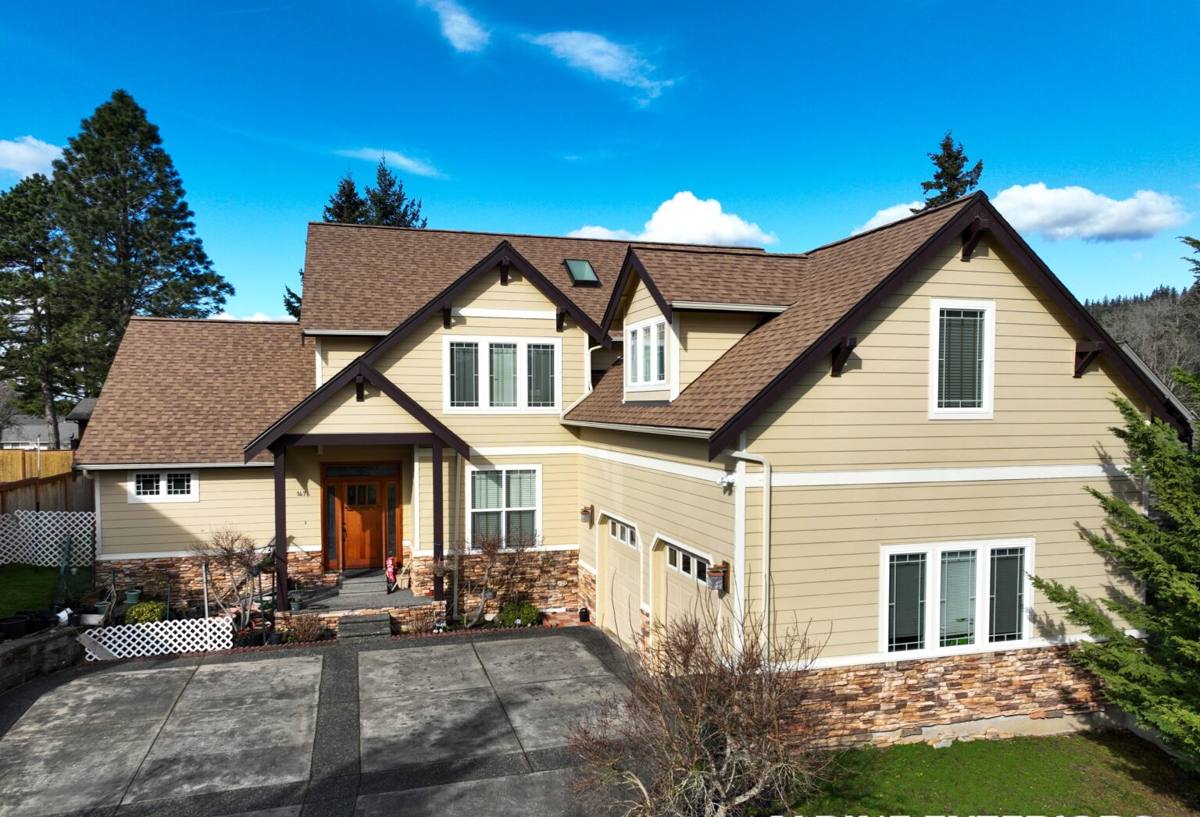
Signs Your Current Windows Are Costing You Money
Most homeowners don't replace windows because they woke up thinking about U-factors. They replace them because something in the house started bothering them. Here's what that usually looks like:
- Condensation or fogging between the panes — a sign the seal has failed and the gas fill (if there was one) is gone
- Cold drafts near the frame even with the window fully latched
- Rooms that are noticeably harder to heat than the rest of the house
- Wood frames that feel soft, discolored, or show early moss or mildew growth at the sill
- Windows that are difficult to open, close, or lock — usually a sign the frame has shifted or swollen from moisture
- Noticeably higher heating bills compared to similar homes in the neighborhood
Any one of these on its own isn't an emergency. But in combination, they usually mean the windows are past the point where caulking or weatherstripping will fix the underlying problem.
What "Energy-Efficient" Actually Means
It's a phrase that gets used loosely, so it's worth breaking down into the parts that actually matter for a home in this climate.
U-Factor
This measures how well a window prevents heat from escaping — lower is better. In a climate with a long heating season, U-factor is usually the number we pay the most attention to, since it directly affects winter heating costs.
Solar Heat Gain Coefficient (SHGC)
This measures how much solar heat passes through the glass. Depending on which side of the house a window faces, a lower or moderate SHGC can help keep west- and south-facing rooms from overheating on the rare sunny days, while still allowing some passive warmth in winter.
Low-E Coatings and Gas Fills
A low-emissivity coating reflects heat back into the room in winter and blocks excess heat in summer, without noticeably changing how clear the glass looks. Argon or krypton gas between panes adds insulation value over a plain air gap — this only matters if the seal holding that gas in place is done correctly, which is as much about installation as it is about the product.
Frame Material
Frame material matters just as much as the glass package in a wet climate. Vinyl and fiberglass frames handle sustained moisture exposure without the maintenance burden that painted wood carries. We're upfront with homeowners about this trade-off: wood-clad windows can look great, but in a climate with this much sustained dampness, they demand a maintenance schedule that a lot of people don't realize they're signing up for until the paint starts failing at the joints.
Comparing Frame Materials for a Marine Climate
| Frame Material | Moisture Performance | Maintenance | Typical Lifespan |
|---|---|---|---|
| Vinyl | Excellent — won't rot, swell, or corrode | Low — occasional cleaning | 20-30+ years |
| Fiberglass | Excellent — very stable in wet/dry cycling | Low | 30-40+ years |
| Aluminum | Good, but prone to condensation without thermal breaks | Low | 20-30 years |
| Wood / Wood-Clad | Fair — vulnerable at joints and sills if finish fails | High — periodic painting/sealing | 15-25 years without upkeep |
None of these are "wrong" choices in every situation — a homeowner restoring a period-specific look may still choose wood-clad windows with eyes open about the upkeep. Our job is to lay out the real trade-offs so the decision is an informed one, not a surprise five years later.
Why Installation Matters More Than the Window Itself
We say this to nearly every homeowner we talk to: a top-tier window installed poorly will underperform a mid-range window installed correctly. In a climate with this much sustained rain, installation quality is really about one thing — keeping water out of the wall assembly.
A correct installation includes:
- Removing the old window and inspecting the rough opening and sill for hidden rot or moisture damage before anything new goes in
- Repairing or replacing any compromised framing rather than sealing over it
- Installing proper flashing, in the correct sequence, so water sheds down and out rather than behind the siding
- Using sill pans on ground-level and exposure-prone windows to manage any water that does get past the exterior
- Sealing and insulating the gap between the window frame and rough opening — not just caulking the exterior trim
- Confirming the window is level, plumb, and square so the seals and hardware perform as designed over time
Skipping any one of these steps doesn't usually cause an obvious problem on day one. It shows up two or three winters later as a soft spot in the wall, a musty smell, or a window that's suddenly hard to operate. That delayed timeline is exactly why installation shortcuts are so common — and why it matters who you hire.
Our Process
1. On-Site Assessment
We look at the existing windows, the condition of the surrounding framing and siding, and how the house is oriented — sun exposure, prevailing wind and rain direction, and any spots that already show signs of moisture stress.
2. Product Recommendation
We recommend frame material, glass package, and window style based on what that specific home needs, not a one-size answer. A shaded, north-facing wall doesn't need the same SHGC as a wall that takes full afternoon sun.
3. Correct Removal and Preparation
Old windows come out carefully, and we address anything unexpected we find in the opening — this is often where hidden rot or past water intrusion turns up.
4. Installation and Flashing
New windows go in plumb, level, and square, with flashing and sealing done in the right order for a wet climate, not just "caulk and move on."
5. Final Check and Walkthrough
We test operation, check seals, and walk the homeowner through what to expect and how to maintain the new windows.
Why Local Experience in King County Matters
A crew that mainly works drier climates tends to treat flashing and sill pans as optional extras. A crew that works Rainier Valley and the rest of King County every week treats them as non-negotiable, because we've seen what happens to the houses where they were skipped. Local experience also means knowing how sun exposure, tree cover, and prevailing weather vary block to block — details that affect which glass package actually makes sense for a given home, not just what a spec sheet recommends in general.
It also means we're not disappearing after the invoice is paid. Warranty service, follow-up questions, and honest answers about how a window is holding up two winters later are a lot easier when the contractor is based in the same county and area dealing with the same weather.
Maintenance: What to Expect After Installation
Energy-efficient windows still need basic upkeep, especially in a climate that stays damp for long stretches:
- Clean weep holes and tracks periodically so water can drain as designed
- Check exterior caulking annually for cracking or separation
- Wipe down sills during moss season to prevent buildup from holding moisture against the frame
- Test locks and hardware seasonally — a window that doesn't latch fully won't seal fully either
Vinyl and fiberglass frames make this list short. Wood-clad frames add repainting or refinishing to it, which is worth knowing before you choose.
What a Fair Estimate Should Include
When you're comparing quotes, make sure each one spells out frame material, glass package (U-factor and SHGC), whether sill pans and full flashing are included, and what's covered under warranty — both the manufacturer's and the installer's. A quote that's missing these details is hard to compare honestly against one that includes them, even if the bottom-line number looks lower.
If you're weighing window replacement for a Rainier Valley home, we're happy to walk through what your specific house needs — no pressure, no upsell, just a straight assessment. Reach out using the form below for a free estimate.