 King County
 Custom Decks Built for Renton's Climate, Not a Catalog
A deck in Renton has to earn its keep. It sits under a Pacific Northwest sky that delivers months of steady rain, humidity that never fully lets up, and enough shade from mature trees to keep moss and algae in business year-round. Add the salt-tinged air that drifts through the broader King County corridor and you've got a structure that's under constant, low-grade attack from the day the last board goes down. A deck built the same way you'd build one in Arizona or even drier parts of the Midwest will not hold up here. We build for this specific climate, on this specific ground, because that's the only kind of deck worth putting our name on.
This page is about one service, in one place: custom deck construction for homeowners in Renton. Not a general overview of decking nationwide — what actually matters when you're building a deck that has to survive a King County winter, spring, and everything in between, year after year.
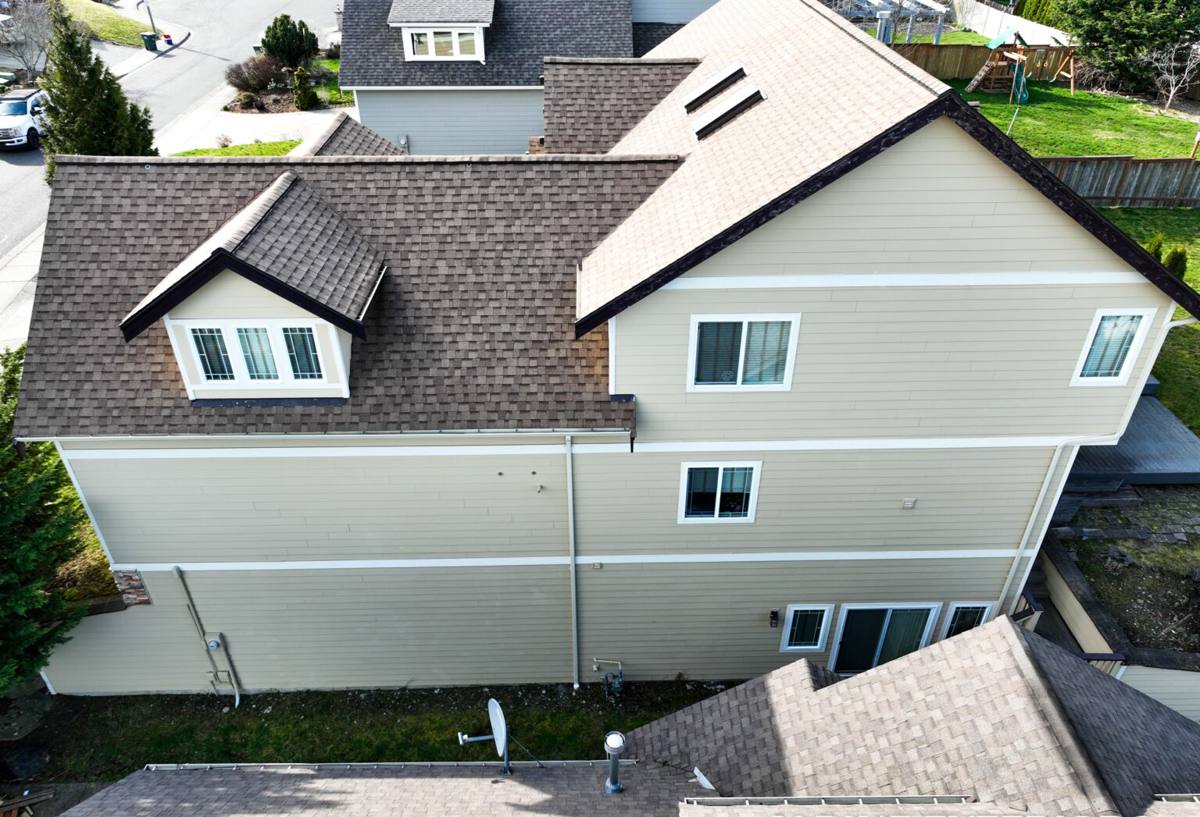
What Renton's Climate Actually Does to a Deck
Understanding the threats is the first step to building something that resists them.
Driving rain and standing moisture
Renton gets a lot of rain, and it rarely falls straight down — wind pushes it sideways into ledger connections, under railings, and into any joint that isn't properly flashed or sealed. Over time, water that gets trapped instead of shed is what rots framing, corrodes fasteners, and lifts finishes.
Moss, algae, and shade
Long, wet seasons combined with tree cover common in Renton neighborhoods create ideal conditions for moss and algae to colonize any decking surface that doesn't dry out quickly. Beyond the appearance issue, a moss-covered deck surface is slick and can accelerate surface degradation on lower-grade materials.
Salt air and corrosion
Properties closer to Lake Washington and the broader Puget Sound air corridor deal with a mild but persistent salt exposure that speeds up corrosion on unprotected metal — fasteners, brackets, and hardware. Cheap or mismatched hardware fails faster here than it would inland.
Freeze-thaw cycling
King County winters aren't brutally cold, but they do dip below freezing often enough that trapped moisture in wood fiber or concrete footings expands and contracts repeatedly. That cycling is what eventually cracks poorly cured footings and splits wood that wasn't properly sealed at end grain and fastener penetrations.
Choosing a Decking Material That Actually Makes Sense Here
There's no single "best" decking material — there's a best material for your budget, your maintenance appetite, and this climate. Here's how the common options actually perform under Renton conditions.
| Material | Moisture & Moss Resistance | Maintenance | Typical Lifespan Here |
|---|---|---|---|
| Pressure-treated fir/hem-fir | Good if sealed regularly; absorbs water if neglected | Annual cleaning and re-sealing recommended | 15-20 years with upkeep |
| Cedar | Naturally rot- and insect-resistant, but surface still needs care | Periodic staining/sealing to prevent graying and moss buildup | 15-25 years with upkeep |
| Composite (capped) | Very good — non-porous cap resists moisture absorption | Occasional washing; no sealing/staining | 25-30+ years, manufacturer warranty-backed |
| Uncapped composite (older-style) | Fair — can absorb moisture at cut edges over time | More cleaning than capped composite | Shorter than capped composite |
We don't push one product on every job. Pressure-treated and cedar cost less up front and can look great, but they ask more of the homeowner in ongoing maintenance — something worth being honest about before you commit, not after the first mossy spring. Capped composite costs more initially but trades labor for material cost over the life of the deck, which matters if you'd rather not clean and reseal every year.
Why we're selective about certain uncapped or budget composite products
Some lower-tier composite boards, particularly older uncapped formulations, can take on moisture at cut ends and fastener penetrations if those edges aren't properly sealed during installation. That's not a reason to avoid composite decking broadly — it's a reason installation technique matters as much as the product label. We seal cut ends and use manufacturer-approved hardware on every composite install specifically because this climate doesn't forgive shortcuts there.
What a Correctly Built Deck Involves
The parts of a deck nobody sees are the parts that determine whether it's still solid in fifteen years.
- Ledger board flashing — the connection to your house needs proper flashing and a water-resistant barrier, not just lag bolts and caulk, to keep driving rain from working its way into the rim joist and wall framing.
- Joist tape or butyl flashing tape — applied to the top of every joist before decking goes down, so screw penetrations don't become entry points for water into the wood fiber.
- Proper board spacing — gaps sized to let the deck surface drain and dry quickly rather than holding standing water that feeds moss growth.
- Footings sized and poured for our soil and frost conditions — undersized or shallow footings are a common shortcut that shows up as movement or settling within a few years.
- Corrosion-resistant fasteners and hardware — rated for ground contact and treated lumber compatibility, which matters more here given the ambient salt exposure.
- Airflow underneath — enough clearance and ventilation below the deck surface so the structure can dry out between rain events instead of staying damp.
Skip any one of these and the deck can still look fine on installation day. The problems show up in year three or four, usually as soft spots, rust streaks, or a railing post that's started to wobble.
Our Process, Start to Finish
1. On-site assessment
We walk the site, look at drainage patterns, sun and shade exposure, existing structure if it's a rebuild, and talk through how you actually plan to use the space.
2. Material and design conversation
We go over the material trade-offs above in the context of your budget and maintenance preference — no pressure toward the highest-margin product.
3. Permitting
Most new decks and many rebuilds in King County jurisdictions require a permit, particularly for structures above a certain height or attached to the house. We handle that process rather than leaving it on you.
4. Build
Footings, framing, flashing, decking, and railings, in that order, with inspections at the framing stage where required before the deck surface goes down.
5. Final walkthrough
We walk the finished deck with you, cover basic care for whatever material you chose, and answer questions before we consider the job done.
Maintenance That Actually Matters in This Climate
A little seasonal attention prevents most of the problems Renton's climate causes. Here's what we tell every customer, regardless of which material they chose:
- Sweep debris and standing leaves off the deck surface regularly during fall — trapped organic matter holds moisture and feeds moss.
- Rinse or wash the surface at least once a year to knock back early moss and algae growth before it takes hold.
- Check fastener heads and hardware annually for early rust or corrosion, especially on railings and stair connections.
- Reseal or restain wood decking on the manufacturer's or our recommended schedule — don't wait until it looks gray and worn.
- Keep gutters and downspouts near the deck clear so runoff isn't dumping extra water onto or under the structure.
- Trim back overhanging branches where practical to reduce shade and debris that accelerate moss growth.
Permits and Code Considerations for Renton Homeowners
Deck permitting requirements vary by jurisdiction within King County, and by factors like deck height, attachment to the house, and square footage. Rather than guess at your specific situation here, we pull the actual requirements for your address as part of the estimate process and build permit handling into the project timeline — so it's not a surprise delay after the build has already started.
Why a Crew That Already Works Renton Makes a Difference
A contractor who works Renton regularly already knows the general drainage challenges common to the area's lots, has relationships with the local permitting process, and has seen firsthand how different materials hold up after a few real King County winters — not just what a manufacturer's brochure claims. That local track record shows up in fewer surprises during the build and a deck that's specified correctly for this climate from day one, instead of a generic build that needs early repairs.
If you're ready to talk through a custom deck for your Renton property, we're glad to walk the site and put together a straightforward, no-pressure estimate — just fill out the form below.