 King County
 Roof Repair Built for Bothell's Climate
Bothell sits in that stretch of King County where marine air off Puget Sound meets forested, shaded neighborhoods — a combination that's hard on roofs in ways that don't show up in drier climates. Homes here deal with driving rain off and on for most of the year, damp shade from mature tree cover, and a moss season that can run from fall through spring if a roof isn't kept ahead of it. None of that means a roof is doomed. It means repairs need to account for moisture, not just patch a leak and move on.
We work on roofs across King County, and Bothell's mix of older established homes and newer builds tucked into wooded lots gives us a good sense of what actually fails here versus what just looks bad. This page is about roof repair specifically — not full replacement — and what that work looks like when it's done right for this area.
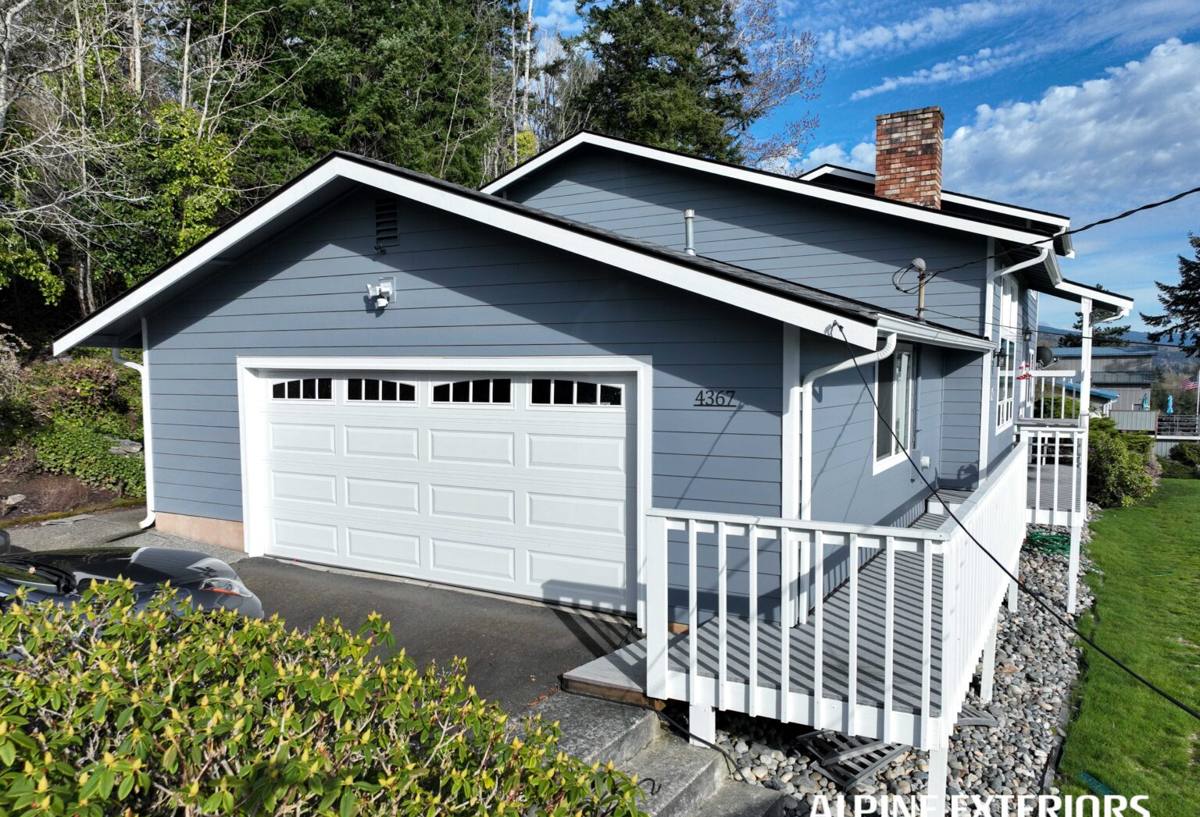
What Bothell's Climate Actually Does to a Roof
Moss and Organic Growth
Moss is the most visible issue on shaded, north-facing roof sections in Bothell, and it's more than cosmetic. Moss holds moisture against shingles, lifts tabs as it grows, and works its way under the shingle edge over time. Left unchecked for a few seasons, what started as a surface nuisance becomes a path for water to get underneath the roofing material.
Driving Rain and Wind-Driven Water
Rain that comes in at an angle — common during Pacific storm systems — finds weaknesses that vertical rain never would. It gets pushed under lifted shingles, around poorly sealed flashing, and into gaps at roof-wall intersections. A roof that's watertight in a light drizzle can still leak during a windy November storm.
Prolonged Dampness
Because so much of the region stays damp rather than getting hard freezes and quick dry-outs, wood sheathing and framing under a compromised roof section can stay wet for extended periods. That's when rot sets in, and it's why a small leak ignored for a year in a place like Bothell can turn into a repair that involves replacing decking, not just shingles.
Common Roof Repair Calls We See in Bothell
- Moss buildup along shaded roof planes, especially under overhanging trees
- Lifted or cracked shingles from wind and age, letting water track sideways under the roof
- Flashing failures around chimneys, skylights, and where roof planes meet walls
- Leaks at roof valleys where water volume concentrates during heavy rain
- Clogged or damaged gutters backing water up under the roof edge
- Soft or stained ceiling spots that trace back to a small, long-standing leak
- Nail pops and sealant failures on older roofs that were never fully re-sealed
What a Correct Repair Actually Involves
A roof repair that's done right starts with figuring out where water is actually entering — which is often not directly above where the stain or drip shows up inside. Water travels along sheathing and framing before it finds a way through, so a repair that only addresses the visible symptom can miss the real entry point entirely.
Our Repair Process
- Roof and attic inspection. We look at the roof surface, flashing, valleys, and penetrations, and check the attic or interior for moisture trails, staining, and soft decking.
- Source identification. We trace the leak path rather than guessing from the interior stain location, since water often enters several feet from where it shows up inside.
- Assessment of surrounding material. We check whether sheathing, framing, or insulation nearby has taken on moisture damage that needs to be addressed as part of the repair, not just the leak point itself.
- Repair scope and honest recommendation. We tell you what needs fixing now, what's worth monitoring, and where a repair is the right call versus where a section is close enough to end-of-life that repair money would be better spent toward replacement.
- The repair itself. Depending on the issue, this might mean replacing damaged shingles and underlayment, reflashing a chimney or wall intersection, resealing penetrations, or replacing a section of rotted decking before new roofing goes back down.
- Moss and debris treatment. Where moss contributed to the problem, we remove growth and debris from the affected area so the repair isn't undermined by the same conditions that caused it.
Repair vs. Replacement: How We Help You Decide
Not every roof issue in Bothell calls for a full replacement, and not every leak is a simple patch. The right call depends on the roof's age, how widespread the damage is, and whether the underlying decking is still sound.
| Factor | Leans Toward Repair | Leans Toward Replacement |
|---|---|---|
| Roof age | Under 15-20 years, most shingles still intact | Nearing or past expected lifespan for the material |
| Extent of damage | Isolated to one section, flashing point, or valley | Widespread wear, multiple leak points, or granule loss across the roof |
| Decking condition | Solid, no soft spots found | Rot or soft decking found in more than one area |
| Moss history | Recent, hasn't lifted shingles yet | Long-term growth with shingle lift or decking staining |
| Interior signs | Single stain, no recurring leak | Recurring or multiple leaks across different rooms |
We'll walk you through where your roof falls on this spectrum honestly. If a repair genuinely solves the problem, that's what we'll recommend — a roof repair that holds up is a better outcome for everyone than an unnecessary sell-up.
Flashing, Valleys, and the Spots That Actually Leak
Most roof leaks don't happen in the open field of shingles — they happen where the roof changes plane or meets something else: chimneys, skylights, walls, and valleys. These transition points rely on flashing rather than shingles alone to shed water, and flashing is metal, sealant, and careful layering that degrades over time or gets installed poorly to begin with.
In a wet climate like this one, we pay particular attention to step flashing along walls, counter-flashing around chimneys, and valley metal or woven shingle valleys where two roof planes meet. These are the areas where driving rain finds its way in, and they're also the areas where a rushed repair job tends to fail again within a season or two.
Gutters, Ventilation, and Why They Matter to a Roof Repair
A roof repair that ignores the roof's supporting systems often doesn't last. Clogged or undersized gutters back water up under the roof edge, especially during heavy Puget Sound rain events, and can cause damage that looks like a shingle problem but is really a drainage problem. Poor attic ventilation, meanwhile, traps moisture and heat that accelerates shingle aging from underneath — a slower, less obvious contributor to the same leaks and moss growth we see on Bothell roofs.
When we're on a roof for a repair, we'll flag these issues if we see them. Fixing the leak without addressing why it happened usually means we're back for the same repair in a year or two.
What to Look For Between Inspections
- Dark streaking or green growth on shaded roof sections
- Shingle granules collecting in gutters or at downspout outlets
- Curling, cracked, or missing shingles visible from the ground
- Water stains or discoloration on interior ceilings, especially after a storm
- Sagging sections along the roofline or in the attic decking
- Daylight visible through the roof deck from inside the attic
- Gutters overflowing or pulling away from the fascia during rain
Catching any of these early is almost always cheaper than waiting until there's an active leak inside the house.
Why a Crew That Already Works in Bothell Matters
Roofing standards and code requirements are consistent across King County, but the practical experience of what actually fails on a Bothell roof — versus a roof in a drier or more exposed part of the state — comes from working on these roofs regularly. We know which roof orientations in this area tend to hold moss, which flashing details tend to age poorly under this much rain, and what it takes to get a repair to actually last through a Pacific Northwest winter rather than needing a redo.
Being local also means we can respond quickly when a leak shows up mid-storm, and we're not guessing at permit or code requirements specific to this part of King County — we already know them.
Get an Honest Assessment
If you're dealing with a leak, moss buildup, or a roof section that's just not holding up the way it should, we're happy to take a look and give you a straightforward read on what's going on and what it'll take to fix it properly. There's no pressure and no obligation — just an honest assessment from a crew that knows Bothell roofs. Reach out below for a free estimate.