 King County
 Storm Damage Roof Repair Built for Kirkland's Weather
Kirkland sits close to open water, and that shapes what a roof deals with over the course of a year. Wind off the lake, long stretches of driving rain, and a moss season that never really ends all put steady pressure on a roof system. Add in the occasional windstorm that comes through the broader Puget Sound region, and it's easy to see why storm damage on a Kirkland roof doesn't always look dramatic. Sometimes it's a handful of lifted shingles. Sometimes it's a slow leak that started weeks after the wind died down. Either way, treating it correctly the first time matters more here than in drier climates, because a roof in this region rarely gets a long dry stretch to "catch up" on hidden moisture.
This page covers what storm damage roof repair actually involves for homes in Kirkland specifically — what to look for, what a correct repair includes, and how we approach the job from first inspection to final cleanup.
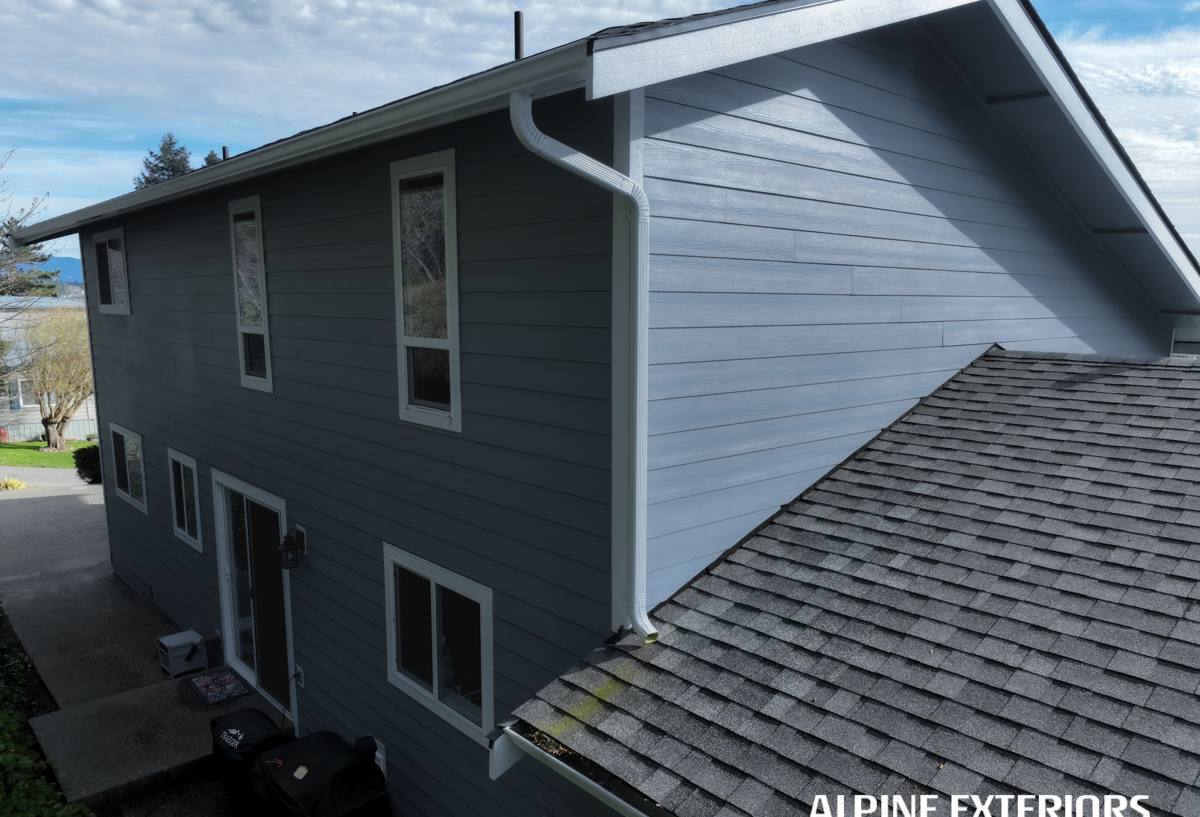
What Storm Damage Actually Looks Like on a King County Roof
Storm damage isn't always a dramatic hole in the roof. In our region, it more often shows up as smaller, cumulative issues that add up over one storm season or several:
- Wind-lifted or creased shingles, especially along ridge lines and roof edges where uplift is strongest
- Granule loss from wind-driven rain, which thins a shingle's protective layer over time
- Displaced or bent flashing around chimneys, skylights, and roof-to-wall transitions
- Debris strikes from branches or limbs, common where mature trees overhang the roofline
- Water intrusion at valleys and low-slope sections where standing moisture and moss combine
- Loosened or missing fasteners after sustained gusts, which can go unnoticed until a leak develops
None of these are unusual for the area — they're the normal wear pattern of a marine climate with regular wind events. The problem is that most of them are invisible from the ground, which is why storm damage often gets discovered during a leak rather than right after the storm that caused it.
Why Moss Season Complicates the Picture
King County's moss season runs long, and moss doesn't just sit on top of shingles — it holds moisture against the roof surface and works into any gap a storm has already opened up. A shingle that was simply lifted by wind can turn into a slow leak once moss takes hold in that same spot and keeps it damp through the winter. That's one reason we look at storm damage and moss growth together rather than treating them as separate issues.
Signs a Kirkland Homeowner Shouldn't Ignore
After any significant wind event or heavy rain stretch, it's worth a quick visual check. You don't need to get on the roof to catch most of the warning signs:
- Shingle pieces or granules collecting in gutters or at the base of downspouts
- Visible gaps, curling, or shingles that look "out of line" compared to the rest of the roof
- New water stains on ceilings or upper walls, especially near exterior corners
- Damp spots or a musty smell in the attic, particularly near vents or the chimney
- Sagging sections along the roofline or in gutters themselves
- Daylight visible through the roof deck from inside the attic
If you see any of these, it's worth having someone look sooner rather than later. A small area of exposed underlayment left through one more rainstorm can turn into a deck repair instead of a shingle repair.
What a Correct Storm Damage Repair Involves
A storm damage repair is not just replacing the shingles that are obviously missing. Done correctly, it involves a few distinct steps:
1. Assessing the Full Extent, Not Just the Visible Spot
Wind damage tends to radiate outward from the point of failure. We check the surrounding field of shingles, the ridge, and adjacent flashing, not just the spot that's leaking, because storm damage often affects a wider area than what's failing first.
2. Checking the Decking Underneath
If water has been getting in for any length of time, the plywood or OSB decking underneath may be soft or delaminating. Replacing shingles over compromised decking doesn't fix the underlying problem — it just delays the next leak.
3. Restoring the Underlayment and Water Barrier
The underlayment beneath the shingles is the roof's real water barrier. Any repair that disturbs shingles in a valley, around a chimney, or near an eave needs that underlayment restored properly, including ice-and-water barrier in the vulnerable spots where our climate calls for it.
4. Re-securing or Replacing Flashing
Flashing takes a lot of the abuse in a windstorm because it's already a transition point. Bent, lifted, or corroded flashing needs to be re-set or replaced, not just caulked over — caulk is a short-term patch, not a repair.
5. Matching Materials Where Possible
For partial repairs, we try to match shingle profile and color as closely as available products allow, so the repair blends rather than standing out as a patch.
How Our Process Works
We keep the process straightforward, and every step is something you can ask us to walk through in plain terms:
- Initial inspection. We look at the roof, attic access where possible, and the areas most exposed to wind and water in your specific setup.
- Honest scope of work. We tell you what's storm-related, what's pre-existing wear, and what can wait versus what shouldn't.
- Documentation. We photograph the damage clearly, which is useful whether or not you end up filing an insurance claim.
- Repair or replacement recommendation. Based on the extent of damage, roof age, and decking condition, we tell you honestly whether a targeted repair makes sense or whether the roof is past the point where patching is the better value.
- The work itself. Tear-out of damaged material, decking repair if needed, underlayment and flashing restoration, then new roofing material matched as closely as possible.
- Cleanup and final walkthrough. Magnetic sweep for stray fasteners, debris removal, and a walkthrough so you can see exactly what was done.
Repair or Replacement — What Actually Decides It
Not every storm-damaged roof needs a full replacement, and not every roof is a good candidate for another round of patching. The honest answer usually comes down to a few concrete factors:
| Factor | Favors Repair | Favors Replacement |
|---|---|---|
| Roof age | Well within expected lifespan | Near or past typical service life |
| Extent of damage | Isolated to one section or slope | Spread across multiple slopes or the whole roof |
| Decking condition | Solid, no soft spots found | Soft, delaminated, or repeatedly wet |
| Prior repair history | First significant issue | Multiple past patches in different areas |
| Material availability | Matching shingles still available | Discontinued profile or color, patch would be visible |
| Moss and moisture history | Well-maintained, ventilated roof | Chronic moss buildup and trapped moisture |
We'll walk through where your roof falls on this table honestly. There's no benefit to us or you in replacing a roof that just needs a competent repair, and no benefit in patching one that's going to keep failing.
Working With Insurance, Without the Runaround
Storm damage repairs often involve a homeowners insurance claim, and this is an area where a good contractor makes a real difference. We document damage clearly with photos and a written scope so you have what you need whether an adjuster is coming out or you're simply filing paperwork. We're happy to be present for an adjuster visit and answer questions about the scope of the damage directly. What we won't do is inflate a scope of work to chase a bigger payout — that approach tends to slow claims down and create problems later, and it's not how we want to build a reputation in this county.
Why Hiring a Crew That Already Works in Kirkland Matters
After a significant windstorm, it's common to see traveling crews going door to door in affected neighborhoods. Some of that work is fine. Some of it disappears after the check clears, with no local address or license to follow up with. A crew that already works Kirkland and the surrounding King County area has a reason to stand behind the work — we're not leaving town once the repair is done, and we know the roofing conditions specific to this area: the moss cycle, the wind exposure near the lake, and the amount of rain a repair needs to shed correctly the first time. That local familiarity is part of what makes the repair last rather than becoming next season's callback.
After the Repair: Reducing Your Next Storm's Impact
A repair is a good moment to also address the conditions that made the damage worse in the first place. A few practical steps that hold up well in this climate:
- Trim back overhanging branches that could strike the roof in the next windstorm
- Have moss treated and removed on a regular schedule rather than only after it's visibly thick
- Confirm attic ventilation is adequate — poor ventilation traps moisture and accelerates decking damage
- Check gutters are clear before the fall rains start, since clogged gutters back water up under roof edges
- Keep a simple record of any repair work done, including photos, in case future storm damage needs to be traced back to a specific event
None of these prevent every storm, but together they reduce how much damage the next one causes, and that's really the goal — fewer surprises, and a roof that's doing its job quietly in the background.
If you've had recent wind or rain and aren't sure whether what you're seeing is storm damage or normal wear, we're glad to take a look. The estimate is free, there's no pressure attached to it, and you'll get a straight answer about what's actually going on with your roof — just fill out the form below to get started.