 King County
 Windows Built for West Seattle's Marine Exposure
West Seattle sits right on Puget Sound, and that location shapes what a window has to survive here. Homes closer to the water take a steady dose of salt-laden air, which is harder on exposed metal hardware and unfinished wood trim than the drier air found further inland in King County. Add in driving rain that comes sideways off the water during winter storms, plus a long stretch of the year where moss and algae thrive on anything shaded and damp, and you've got a climate that punishes window installations with weak flashing, poor drainage planes, or corner-cut sealant work. A window that's correctly installed for this environment holds up. One that isn't will show it within a few wet seasons — soft trim, fogged glass, drafts, or worse, water tracking into the wall cavity where you can't see it until the damage is already done.
We install windows across King County, but West Seattle's exposure to wind-driven rain and salt air means we treat it as its own case, not a smaller version of a job we'd do somewhere drier inland.
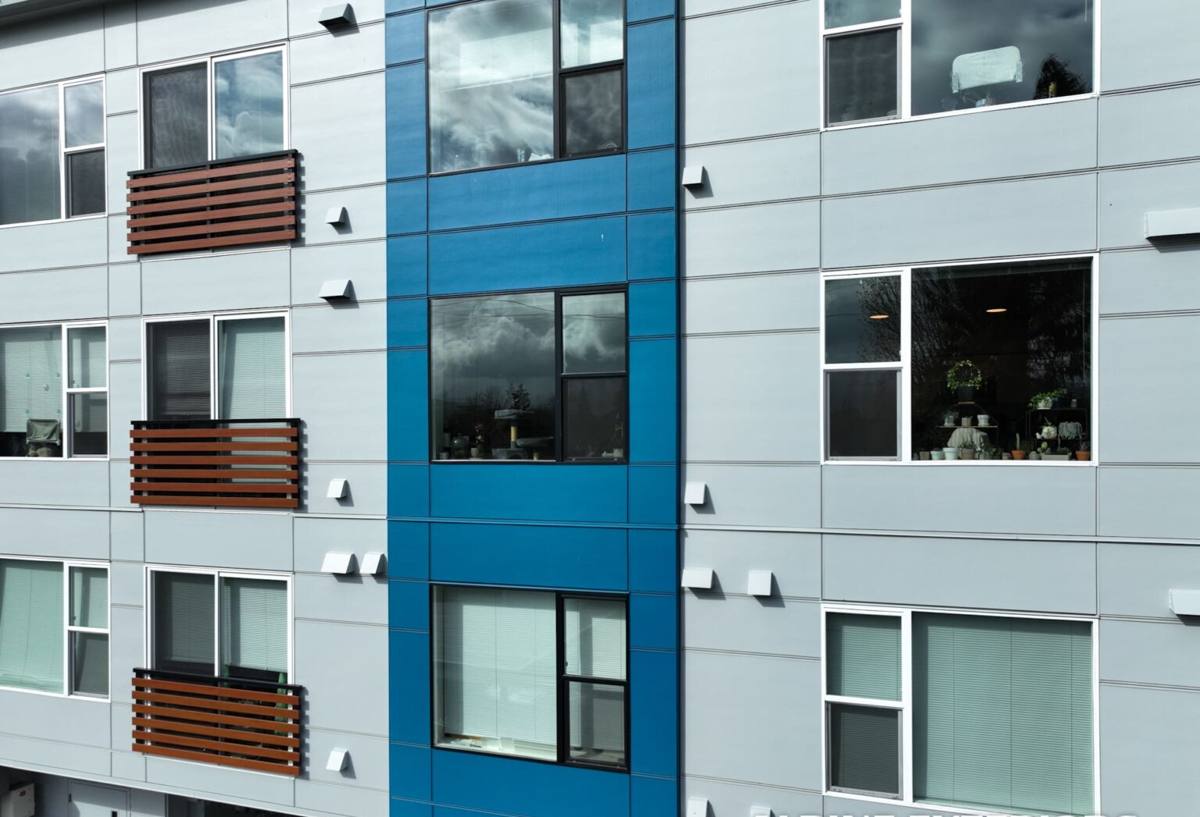
What Local Homes Actually Need
Drainage and Flashing First, Aesthetics Second
The single biggest factor in whether a window lasts in this climate isn't the glass package or the frame material — it's whether water that gets behind the trim has somewhere to go. West Seattle's wind patterns push rain into wall assemblies at angles a lot of installers don't plan for. That means proper flashing tape sequencing, a sloped sill pan so any intrusion drains outward instead of pooling, and weep paths that aren't accidentally caulked shut. None of this is visible once the job is done, which is exactly why it's the part that gets rushed on a low-bid install.
Corrosion-Resistant Hardware
Salt air accelerates corrosion on cheap hinges, locks, and balance hardware. It's not dramatic — it's a slow stiffening of the mechanism, then a lock that won't quite catch, then a window that won't stay put in a gust. Homes within a mile or so of the Sound see this show up faster than homes further inland in the county.
Moss and Algae Management Around Trim
West Seattle's tree cover and marine humidity give moss a long growing season on north- and west-facing trim and sills. Moss holds moisture against wood and paint, which shortens the life of any exterior trim that isn't detailed to shed water and dry out between rains. Good installation includes trim details that don't trap standing moisture in the first place — gaps, slopes, and material choices that don't give moss an easy foothold.
What a Correct Installation Actually Involves
A window installation is mostly invisible work. The window itself is a commodity part — what makes the installation good or bad is everything around it. Here's the sequence we hold to on every job:
- Remove the old window carefully, checking the rough opening for rot, soft framing, or prior water damage before anything new goes in.
- Repair or replace any damaged framing — installing a new window into a compromised opening just hides the problem for a while.
- Install a sloped sill pan so incidental water drains out, not into the wall.
- Sequence flashing tape shingle-style (bottom to top) so each layer sheds water onto the layer below it, never the reverse.
- Set the window plumb, level, and square, and shim it correctly so the frame isn't under stress that will fatigue the seals over time.
- Insulate the gap between the frame and the rough opening without overpacking it, which can bow the frame and cause operational problems.
- Seal the exterior with the right sealant for the substrate, leaving weep paths open.
- Finish interior and exterior trim, matching existing detailing where the job is a replacement in an established home.
Skipping or rushing any one of these steps is usually where a "leaky window" complaint traces back to — and it's rarely the window itself.
Our Process, Start to Finish
1. On-Site Assessment
We look at the actual condition of your existing windows and the framing around them, not just the glass. Exposure direction matters — a window on the windward, water-facing side of a West Seattle home gets a different level of scrutiny than one tucked under an eave on a sheltered wall.
2. Straightforward Quote
You get a written quote that spells out what's being replaced, what the framing repair scope looks like if we find rot or damage, and what's included in labor versus materials. No pressure, no inflated urgency tactics.
3. Scheduling Around King County Weather
We plan installs with the local forecast in mind. Openings don't sit exposed to a Puget Sound rainstorm any longer than necessary, and we sequence multi-window jobs to limit how much of the house is open at once.
4. Installation and Cleanup
Crew does the install following the sequence above, cleans up debris and packaging, and walks the job with you before calling it done — checking operation, locks, and that trim lines are clean.
5. Follow-Up
If something settles, seals shrink, or you notice anything off after the first hard rain of the season, we come back and look at it.
Choosing Materials for This Climate
There's no single "best" window material — the right call depends on exposure, budget, and how much maintenance you want to take on. Here's how the common options hold up specifically against West Seattle's salt air and rain:
| Material | Salt Air Behavior | Maintenance | Notes |
|---|---|---|---|
| Vinyl | Resistant to corrosion; no metal hardware exposed to weather on most frames | Low — occasional cleaning | Good value; frame color options are more limited than fiberglass |
| Fiberglass | Very stable; doesn't corrode or expand/contract much with temperature swings | Low | Higher upfront cost, holds paint well if you want a custom color |
| Aluminum | Prone to corrosion near salt air unless hardware is marine-grade and finish is well maintained | Higher — watch for pitting and hardware wear | We're cautious recommending standard aluminum this close to the Sound |
| Wood (unclad) | Vulnerable to moisture and rot without diligent upkeep in a wet, mossy climate | High — repainting/sealing on a schedule | Best reserved for interior-facing or well-protected openings |
| Wood-clad | Exterior cladding shields the wood from direct weather exposure | Moderate | Good middle ground when you want a wood interior look |
We'll talk through this honestly for your specific home rather than pushing whatever happens to be sitting in inventory — exposure, sun direction, and your maintenance appetite all factor in.
Cost Factors Worth Understanding
Every quote is different, but the line items that move the number are consistent. Knowing them ahead of time makes it easier to compare quotes and spot one that's cutting corners:
- Number of windows and whether it's a full-house job or a handful of openings
- Window size and whether any openings are non-standard or require custom sizing
- Material choice (vinyl, fiberglass, wood-clad, etc.)
- Condition of the existing framing — hidden rot or water damage adds repair scope
- Whether it's a retrofit (new window into existing frame) or a full-frame replacement, which is more involved but often necessary when framing is compromised
- Trim and interior finish work needed to match the rest of the house
- Access — second-story or hard-to-reach openings take more time and equipment
We'll break down what's driving your specific number rather than handing you a flat per-window rate that doesn't reflect the actual scope.
Signs Your West Seattle Home Needs New Windows Now
A few reliable indicators that it's time, especially in a home exposed to Sound-driven weather:
- Visible condensation or fogging between panes on double- or triple-glazed units — the seal has failed
- Soft or discolored trim around the window frame, especially on walls facing the water or prevailing wind
- Drafts you can feel near the frame even with the window fully latched
- Difficulty opening, closing, or locking that's gotten worse over the past year or two
- Persistent moss or dark staining on sills and trim that keeps coming back after cleaning
- Noticeably higher heating bills without another clear explanation
Why a Crew That Already Works West Seattle Matters
Installation quality is only half the equation — the other half is understanding how a specific neighborhood's exposure behaves across a full year. A crew that regularly works West Seattle homes has already seen how wind-driven rain hits water-facing walls differently than sheltered ones, which trim details actually resist moss here, and where salt air causes hardware problems faster than it would ten miles inland. That's knowledge you don't get from a general contractor who treats every King County job the same regardless of how close it sits to the water. We're not a national outfit cycling through — we work this county, and West Seattle's marine exposure is a known quantity to us, not a surprise we're troubleshooting on your dime.
Ready for an Honest Look at Your Windows?
If your windows are drafty, fogged, hard to operate, or just showing their age against West Seattle's weather, we'll come take a straightforward look and give you a free, no-pressure estimate — no scare tactics, just what we actually see and what it would take to fix it right. Fill out the form below to get started.