 King County
 Windows Built for Redmond's Wet Winters
Redmond sits inland from Puget Sound, but that doesn't spare it from the region's defining weather pattern: long stretches of driving rain from fall through spring, humidity that lingers under tree cover, and a moss season that can run six months or more on shaded rooflines and north-facing walls. Homes here don't deal with hurricane-force wind or coastal salt spray the way waterfront properties around the Sound do, but they take a slower, steadier kind of beating — moisture that finds every gap, every degraded seal, every spot where a window was installed a little too loose around the frame.
That's the real story behind most window replacement calls we get in Redmond. It's rarely one dramatic failure. It's fogged glass that crept in over a year, a sill that's gone soft, or a homeowner who finally notices the draft every winter and decides this is the year to deal with it. Correct window replacement here means respecting that slow-moisture reality — not just swapping glass, but getting the flashing, sealing, and drainage path right so water has somewhere to go besides your wall cavity.
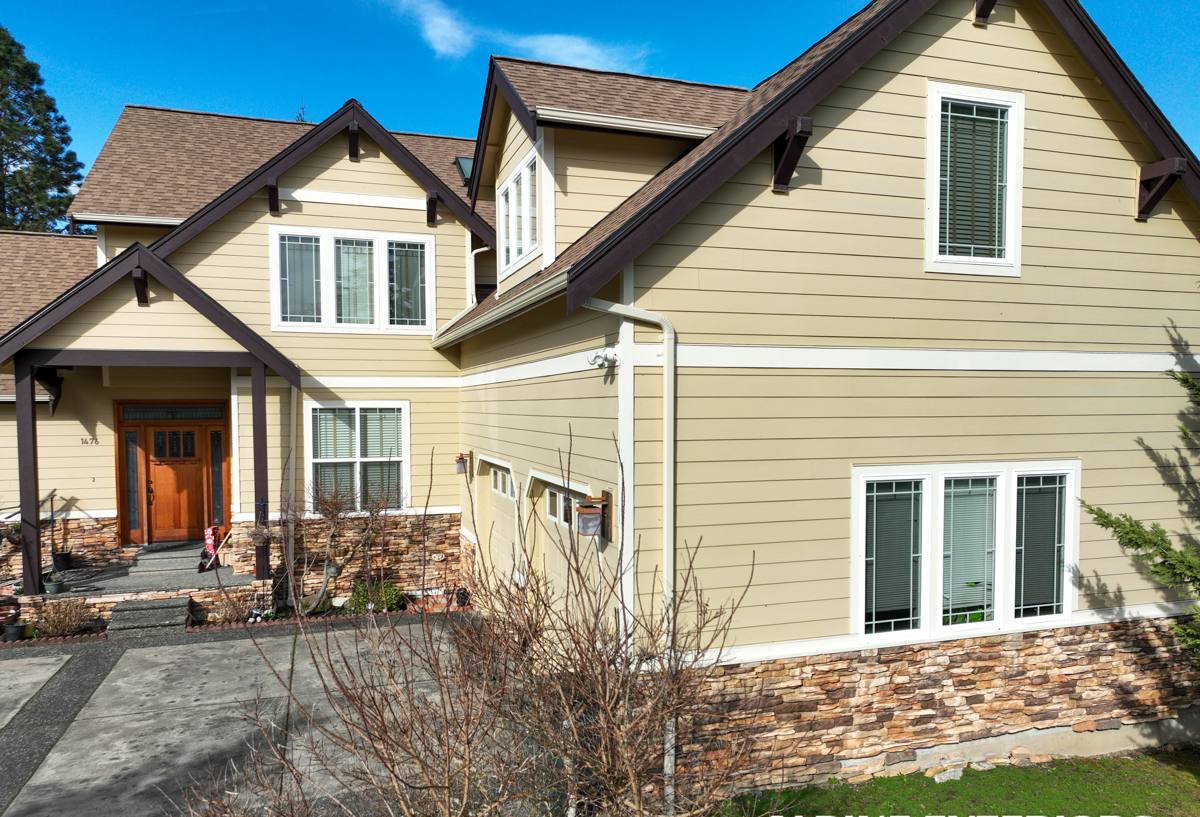
What King County's Climate Actually Does to Windows
Understanding the failure pattern helps explain why the installation details matter as much as the window itself.
Moisture Intrusion Over Time
Older aluminum and early vinyl windows in this area often show their age through seal failure — the gas between double-pane glass leaks out, moisture gets in, and you get that permanent cloudy or foggy look in the corners of the glass. This isn't cosmetic only; it means the insulating value of that window is gone.
Moss and Organic Growth
Shaded elevations, especially anything facing north or tucked under mature trees, stay damp longer after a storm. Moss and mildew take hold on wood sills, on caulking, and in window tracks, which accelerates rot in wood-frame windows and clogs weep holes on vinyl units so water can't drain properly.
Wood Rot at Sills and Frames
Wood-frame and wood-clad windows are common in older Redmond neighborhoods. Left unmaintained, the sill and lower frame corners are usually the first place rot shows up, since that's where standing water sits longest.
Condensation and Indoor Humidity
Single-pane and poorly sealed older windows also struggle with interior condensation during our cold, wet winters — a sign the glass isn't insulating well enough for the temperature difference between inside and out.
Signs a Redmond Home Needs Window Replacement
- Fogging or a permanent haze between panes that won't clean off
- Visible moss, algae, or dark staining on sills, corners, or tracks
- Soft or spongy wood when you press on the sill or lower frame
- Windows that are hard to open, close, or lock — frames have swelled or warped
- Noticeable drafts or cold spots near the window even when it's closed
- Condensation forming on the inside of the glass regularly in winter
- Rising heating bills without another clear explanation
- Peeling paint or bubbling drywall around the window opening
What a Correct Installation Involves
Replacing a window is straightforward in concept — old unit out, new unit in — but the details that determine whether it lasts are almost all invisible once the job is done. This is where a lot of budget installations cut corners, and where problems resurface a few years later.
Removal and Opening Inspection
Before anything new goes in, the opening needs to be inspected for rot, water staining, or damaged framing. If the sheathing or framing underneath has been compromised by years of moisture, that gets addressed before a new window ever goes in — installing a new window over a rotten opening just delays the same problem.
Flashing and Water Management
Proper flashing directs any water that gets behind the siding back out, away from the wall assembly, rather than letting it pool at the sill. This is arguably the single most important step for a wet climate like ours, and it's also the step that's easiest to rush or skip.
Sealing Without Trapping Moisture
Sealant matters, but so does knowing where not to seal. A window assembly needs to breathe and drain in specific places — sealing every gap solid can actually trap moisture inside the wall rather than letting it escape, which causes hidden rot you won't see until the damage is significant.
Insulation Around the Frame
The gap between the window frame and the rough opening needs to be filled with appropriate insulation — not overpacked, not left empty — to control both heat loss and condensation risk at the frame edge.
Final Fit and Operation Check
Every window should open, close, lock, and seal correctly before the job is called done. A window that's slightly out of square will bind, won't seal tight, and will wear out its hardware faster.
Choosing the Right Window for This Climate
We install vinyl and fiberglass-framed windows as our standard recommendation for Redmond and the broader King County area, and we're upfront about why. Wood-frame windows can look great and plenty of homeowners want to keep that look on a historic or architecturally specific home, and we'll install and detail those correctly when that's the right call. But wood requires ongoing maintenance — repainting, resealing, and periodic sill inspection — to hold up against our rain and moss season. Vinyl and fiberglass frames don't rot, don't need repainting, and handle sustained moisture exposure with far less upkeep, which is why they're the more practical choice for most Redmond homes long-term.
Glass Package Considerations
Double-pane glass with a low-E coating and argon gas fill is the practical standard for this climate — it manages heat loss in winter, cuts down on solar heat gain in the brief hot stretches of summer, and reduces interior condensation risk. Triple-pane is available and does offer a further step up in insulation, but the added cost doesn't always pencil out for every home; it's worth weighing case by case rather than assuming it's always the better choice.
| Factor | Vinyl / Fiberglass Frame | Wood Frame |
|---|---|---|
| Moisture resistance | Does not rot; handles sustained wet exposure well | Requires sealing and maintenance to resist rot |
| Maintenance | Minimal — occasional cleaning | Periodic repainting/staining and inspection needed |
| Upfront cost | Generally lower to moderate | Generally higher |
| Appearance | Clean, modern; wood-grain finishes available | Traditional, natural look |
| Best fit | Most homes, especially where low upkeep matters | Historic homes or specific architectural styles |
Our Process for Redmond Homeowners
1. On-Site Assessment
We look at each window opening individually — not just the glass, but the sill condition, surrounding siding, and any signs of past moisture intrusion. Every home has windows in different condition depending on sun exposure and shade, so recommendations are window-by-window, not one blanket answer for the whole house.
2. Honest Scope and Options
We'll tell you plainly which windows need replacing now, which are still fine, and which are borderline. We'd rather give you an honest priority list than sell a full-house replacement when part of it isn't necessary yet.
3. Installation
Our crews follow the same flashing, sealing, and insulation standards on every job, whether it's one window or a whole house. We don't treat a single-window replacement as a lesser job — the water management details matter just as much on one window as on twenty.
4. Cleanup and Walkthrough
We test every window with you before we consider the job finished, and clean up the work area so there's no debris or old material left behind.
Why Local Experience in Redmond Matters
A crew that already works in Redmond and the surrounding King County area understands how the local rain patterns, tree cover, and seasonal humidity actually play out on real houses — which elevations tend to hold moss longest, which construction eras in this area commonly used materials that need extra attention, and what a correct flashing detail looks like for our specific weather rather than a generic installation guide written for a drier climate. That local pattern recognition is part of what separates a window replacement that holds up for decades from one that starts showing the same old problems again in five years.
What to Expect on Cost
Window replacement pricing depends on the number of windows, frame material, glass package, and the condition of the existing opening — a straightforward swap costs less than a job that also requires repairing rotted framing or resizing an opening. Rather than quote a number that may not reflect your home's actual situation, we provide a written estimate after seeing the windows in question, so you know exactly what you're paying for and why.
If you're noticing drafts, fogged glass, moss buildup, or windows that are getting harder to operate, it's worth having them looked at before another wet season sets in. We offer free, no-pressure estimates for Redmond homeowners — fill out the form below and we'll take a look.