 King County
 Why Ballard Roofs Take a Different Kind of Beating
Ballard sits close enough to Puget Sound that salt-laden air is a daily fact of life for anything on a roof, not just boats in the marina. Add King County's long wet season, driving rain that comes in sideways off the water, and shaded, moisture-holding roof sections under mature trees, and you get a climate that is genuinely harder on asphalt shingles than most manufacturers' warranty testing accounts for. None of this means asphalt shingle roofing is a poor choice for Ballard — it remains one of the most cost-effective, proven roofing systems available. It does mean the installation details matter more here than they would in a drier, inland climate, and cutting corners shows up faster.
Homes in this neighborhood also tend to be older, with roof lines, ventilation setups, and attic configurations that were built for a different era of building codes. A correct asphalt shingle job in Ballard has to account for the house as it actually is, not just the shingle going on top of it.
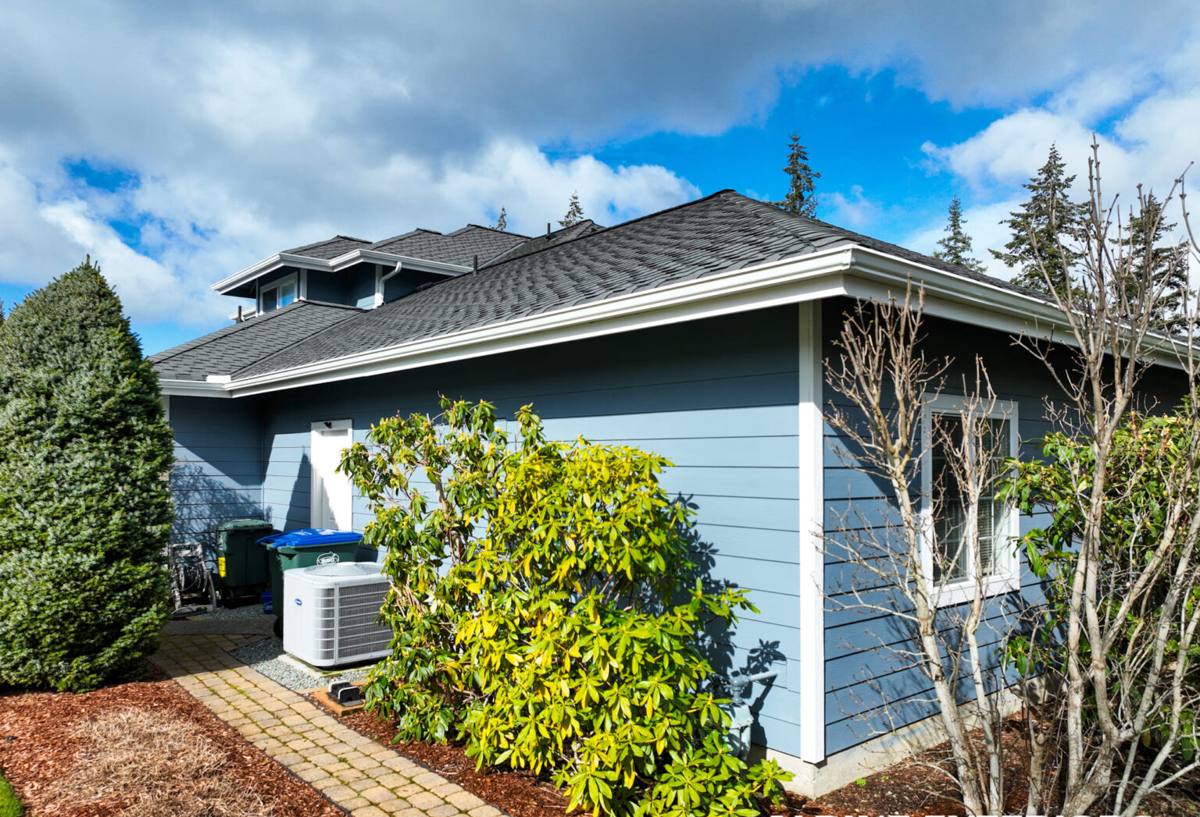
What Actually Matters for Asphalt Shingles in a Marine Climate
Wind and Rain Resistance
Ballard's exposure to weather moving in off the Sound means shingles need a solid wind rating and, more importantly, a correctly executed nailing pattern and sealant strip activation. A shingle rated for high wind that's installed with the wrong nail placement or without enough courses properly sealed together will still lift in a storm. The product spec on the wrapper matters less than how it's actually fastened to your roof.
Algae and Moss Resistance
Most quality shingle lines now include algae-resistant granules, usually copper-infused, that slow the growth of the dark streaking you see on older roofs around King County. This helps, but it is not a substitute for proper airflow and drainage design — it buys time, it doesn't stop moss and algae from finding a foothold on a roof that stays wet and shaded for weeks at a stretch.
Granule and Mat Quality
Underneath the surface color, the fiberglass mat and the amount of asphalt saturation in the shingle determine how well it handles repeated wet-dry cycling over a Pacific Northwest winter. Thinner, lower-grade shingles can granule-strip and go brittle years ahead of schedule in exactly this kind of climate, which is part of why we steer homeowners toward mid- and upper-tier product lines rather than the cheapest option on the shelf.
What a Correct Installation Actually Involves
Asphalt shingle roofing looks simple from the ground, and a poor installation can look identical to a good one for the first year or two. The difference shows up later, usually as a leak at a valley, a soft spot at an eave, or premature granule loss. A correct job means getting every layer right, not just the visible one.
- Full tear-off and deck inspection rather than a shingle overlay, so soft or rotted decking is found and replaced before it's covered up
- Ice-and-water shield membrane at eaves, valleys, and around penetrations — the areas most likely to see standing water or wind-driven rain
- Synthetic underlayment across the full roof deck as a secondary water barrier
- New flashing at chimneys, walls, and roof-to-wall transitions rather than reusing old, corroded pieces
- Balanced intake and exhaust ventilation so the attic can actually dry out between wet spells
- Proper starter strip and ridge cap installation, which do more for wind resistance than the field shingles themselves
- Correct nailing pattern and nail count per manufacturer spec, not just "close enough"
Skipping any one of these doesn't necessarily cause a failure the first year. It shows up two, five, or eight years down the road, usually as a repair bill that would have been avoided for a fraction of the cost during the original install.
Moss, Algae, and the Reality of Ballard's Roof Maintenance
Why Moss Takes Hold Here
King County's long stretch of overcast, damp weather gives moss exactly what it needs: moisture and time. Ballard's mix of mature street trees and closely spaced lots means many roofs have shaded sections that simply don't dry out as fast as a roof in full sun would. Moss doesn't just sit on top of shingles — its root structure works into the granule surface and lifts shingle edges, which is how a moss problem eventually becomes a leak problem.
What Actually Slows It Down
Zinc or copper control strips near the ridge release trace metal ions with every rain, which suppresses new moss growth over time without harsh chemical treatment. Keeping gutters and valleys clear so water isn't sitting against the shingle edge matters just as much. Pressure washing is not the answer — it strips granules and shortens shingle life, which is the opposite of what you want on a roof already working hard against the climate.
Salt Air and Metal Components
The metal flashing, fasteners, and vents on your roof are more exposed to corrosion this close to the Sound than they would be further inland. We use flashing and fastener materials chosen for that exposure rather than whatever is cheapest, because a corroded fastener or a rusted-through flashing edge is a leak waiting to happen, regardless of how good the shingles above it are.
Repair or Replace: What Actually Drives the Decision
Not every roof problem in Ballard means a full replacement, but not every leak is a simple patch either. The honest answer depends on the age of the roof, how widespread the wear is, and what's happening underneath the shingles. Here's what generally factors into that call and how it affects cost.
| Factor | Leans Toward Repair | Leans Toward Replacement |
|---|---|---|
| Roof age | Under 12-15 years | Approaching or past expected lifespan |
| Extent of damage | Isolated to one section or penetration | Widespread granule loss, multiple leak points |
| Decking condition | Solid, no soft spots | Rot or moisture damage found or suspected |
| Layers already on roof | Single layer, room to reroof later | Multiple layers, tear-off required regardless |
| Moss/algae extent | Surface growth, manageable | Growth under shingle edges, lifting tabs |
Roof pitch, overall square footage, and how accessible the roof is for equipment also affect the final cost of either option, which is why we walk the actual roof before giving a number rather than quoting off a phone conversation.
How Our Process Works
We keep the process straightforward because most homeowners have been through a confusing contractor experience before and don't want another one.
- We walk the roof and attic in person, not just a drive-by look from the street
- We give you a written scope and price range based on what we actually find, including deck condition where visible
- We explain the material options in plain terms, including honest trade-offs, without pushing the most expensive tier by default
- Once scheduled, we handle tear-off, deck repair as needed, underlayment, flashing, and shingle installation in a single continuous job
- We do a final walk-through with you before we consider the job finished, and clean up the site thoroughly, including magnetic sweep for nails
We don't believe in pressure-closing a sale on the first visit. A roof is a significant expense, and a rushed decision is how homeowners end up with the wrong crew or the wrong product for their situation.
Why Working With a Crew That Already Knows Ballard Matters
A roofing crew that works across King County generally, but doesn't specifically know how Ballard's microclimate behaves, tends to install roofs the same way they would anywhere else in the region. That's not necessarily wrong, but it misses the details that matter here — where moss actually accumulates given the tree cover and lot spacing typical of this neighborhood, how much additional protection is worth it given the salt air exposure, and what ventilation setup actually performs given how many Ballard homes have older, less-insulated attic spaces.
There's also a practical side: crews who regularly work in Ballard and the surrounding parts of King County know the permitting expectations, understand typical lot access constraints for older, closer-set homes, and aren't guessing at material lead times or seasonal scheduling around the wettest months. That familiarity translates into fewer surprises during the job, not just a better sales pitch beforehand.
Signs Your Ballard Roof Needs a Closer Look
Most roof failures don't happen suddenly — they build over a season or two of small warning signs that are easy to miss from the ground.
- Granules collecting in gutters or at downspout outlets
- Dark streaking or visible moss patches, especially on shaded slopes
- Shingle tabs that look curled, cracked, or lifted at the edges
- Soft or spongy feeling decking noticeable from inside the attic
- Daylight visible through the roof deck from inside the attic
- Water stains on interior ceilings, even small or intermittent ones
- A roof that's 18-20+ years old and has never been fully inspected
If you're noticing any of these, it's worth getting an actual inspection rather than waiting for a leak to force the issue during the next storm.
Get a Straight Answer About Your Roof
If you're not sure whether your roof needs a repair, a full replacement, or just some overdue moss and gutter maintenance, we're glad to take a look and give you a straightforward, no-pressure assessment. Fill out the form below for a free estimate on asphalt shingle roofing for your Ballard home.