 King County
 Storm Damage Roof Repair Built for Renton's Weather
Renton sits in a tough spot for roofs. You get the wind funneling up the Green River valley, driving rain off the Sound, and long stretches of grey, wet weather that never really lets a roof dry out. When a windstorm rips shingles loose or a heavy branch comes down during a winter blow, the damage doesn't wait for a convenient time to get worse. Water finds the opening fast, and every day it sits is another day of rot, insulation damage, or a stained ceiling inside.
We work storm damage calls throughout King County, and Renton is one of the neighborhoods we're in regularly. That matters more than it sounds like it should. A roof repaired by a crew that understands this area's rain patterns, moss pressure, and typical roofing materials gets fixed right the first time — not patched in a way that fails again next storm season.
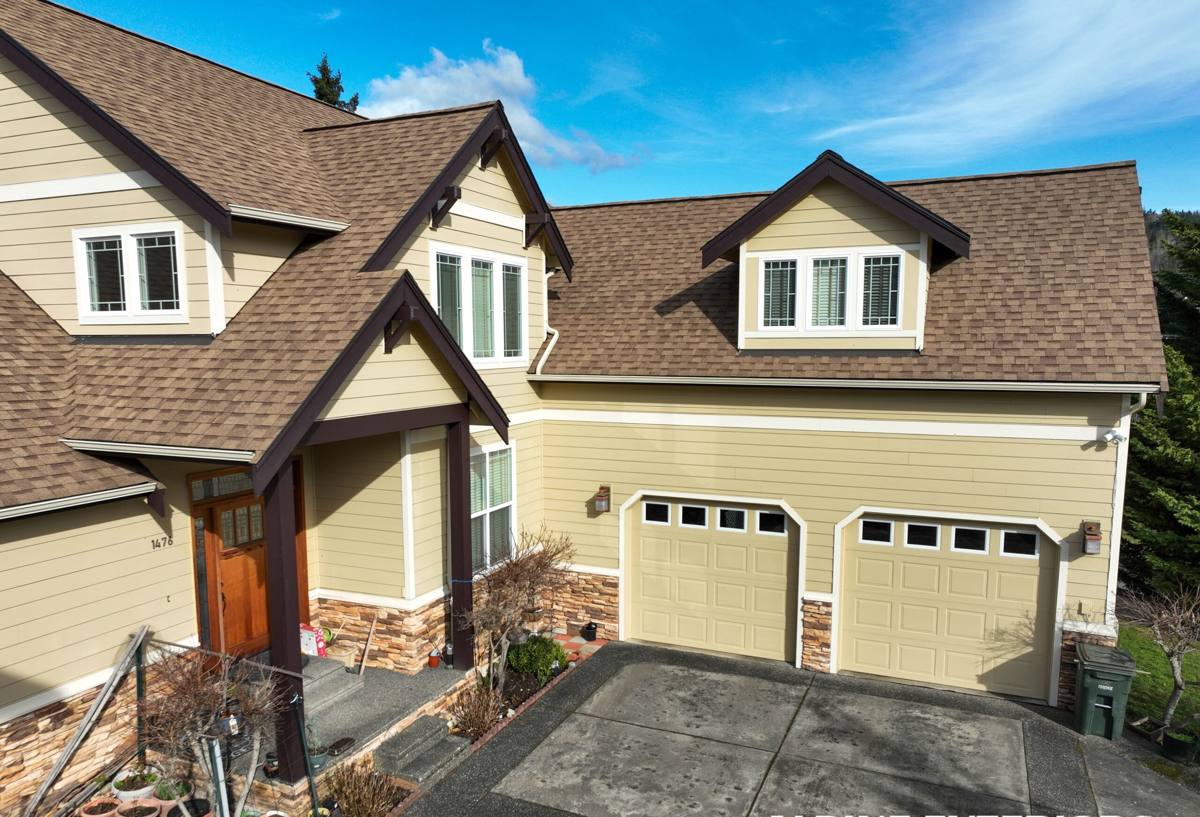
What Renton's Climate Actually Does to a Damaged Roof
Storm damage in this part of King County isn't usually one dramatic event — it's an initial injury followed by weeks or months of the regional climate making it worse. A few things we see constantly:
Salt Air and Metal Fatigue
Renton isn't right on saltwater, but Puget Sound air carries enough salt content inland to accelerate corrosion on exposed fasteners, flashing, and metal roof edges — especially once a storm has already compromised a protective coating or bent a flashing seam. Once corrosion starts at a storm-damaged spot, it spreads faster than on undamaged metal nearby.
Driving Rain and Wind-Driven Water Intrusion
Straight-down rain is forgiving. Wind-driven rain is not. When a storm knocks a shingle loose or opens a seam in the flashing, driving rain can push water sideways and upward under roofing material in ways gravity-only leaks never would. This is why storm damage repairs need to address more than the visible hole — the surrounding underlayment and flashing often need attention too.
Moss Season and Delayed Drying
King County's long, damp stretches mean roofs rarely get a real chance to dry out between rain events, and moss and moisture-loving growth take hold anywhere debris or damaged shingles create a place for organic matter to sit. A storm-damaged section that isn't repaired promptly becomes a moss magnet, which then holds even more moisture against the roof deck and speeds up rot.
Signs Your Renton Home May Have Storm Damage
- Missing, cracked, or curled shingles — especially on the side of the roof that faced the wind
- Granules collecting in gutters or at downspout outlets after a storm
- Bent, lifted, or missing flashing around chimneys, vents, or roof valleys
- Dents or creases in metal roofing or gutters from wind-blown debris
- Water stains on interior ceilings or upper-floor walls following a storm
- Soft or spongy spots when walking the roof (a sign water has already reached the decking)
- Debris — branches, needles, or shingle fragments — piled against roof planes or in valleys
Some of this is obvious from the ground. Some of it isn't, which is why a physical inspection after any significant wind or rain event is worth doing even if nothing looks wrong from the driveway.
What a Correct Storm Damage Repair Actually Involves
A rushed repair after a storm often just covers the visible symptom. A correct repair addresses the full path water could have traveled. Here's what we look at on every storm call:
1. Emergency Mitigation First
If a roof has an active leak or an open section exposed to weather, the first priority is stopping further water intrusion — tarping, temporary flashing, or sealing an open seam — before anything else. This isn't the final repair; it's damage control while the real fix gets scheduled and, if applicable, approved by an insurance adjuster.
2. Full Roof Inspection, Not Just the Obvious Spot
Wind and impact damage rarely stay confined to one shingle. We check the whole roof plane, adjacent flashing, gutters, and attic space (where accessible) for secondary damage that isn't visible from the ground.
3. Deck and Underlayment Assessment
If water has been sitting under damaged roofing for any length of time, the plywood or OSB decking underneath may have absorbed moisture. Replacing shingles over a soft or wet deck just guarantees a repeat failure. Any compromised decking gets replaced, not covered over.
4. Matching Materials and Proper Tie-In
A storm repair needs to tie into the existing roofing correctly — matching shingle profile and, where possible, color, and integrating new flashing so water sheds properly across the repair boundary rather than pooling at the seam. A patch that doesn't shed water correctly just relocates the leak.
5. Documentation for Insurance
Most storm damage repairs involve an insurance claim. We document damage with photos and a written scope before and during the work, which gives homeowners something concrete to work with when dealing with an adjuster.
Our Process for a Renton Storm Damage Call
- Contact and scheduling: We get details on what happened and how urgent the situation is — active leak versus cosmetic damage changes the timeline.
- On-site inspection: A full roof and attic assessment, including areas that weren't the obvious point of impact.
- Written scope and estimate: A clear breakdown of what needs repair, what materials are involved, and an honest cost range — no pressure to upsell a full replacement if a repair is the right call.
- Insurance coordination: If you're filing a claim, we provide documentation and can walk the property with your adjuster if needed.
- Repair work: Scheduled promptly, with temporary protection in place if weather requires it before the permanent repair can happen.
- Final walkthrough: We review the completed repair with you before considering the job done.
Repair vs. Replacement: How We Decide
Not every storm-damaged roof needs full replacement, and not every "repair" is actually enough. The right call depends on the roof's age, the extent of damage, and whether the damage is isolated or symptomatic of a roof that was already near the end of its service life.
| Factor | Leans Toward Repair | Leans Toward Replacement |
|---|---|---|
| Roof age | Under 12-15 years | Near or past expected lifespan |
| Damage extent | Isolated to one section or slope | Widespread across multiple roof planes |
| Decking condition | Dry, structurally sound | Soft, rotted, or water-saturated in multiple spots |
| Prior moss/moisture history | Minimal, well-maintained roof | Long-term moss growth already degrading shingles |
| Shingle match availability | Matching material still available | Discontinued product, visible mismatch likely |
We'll tell you honestly which side of this table your roof falls on. A repair that's genuinely sufficient is the right answer far more often than homeowners expect — but we won't recommend a patch on a roof where the underlying material is already failing, because that just costs you twice.
Working With Insurance on Storm Claims
Storm damage claims move faster and go smoother when the documentation is thorough from the start. A few things that help:
- Photograph visible exterior damage as soon as it's safe to do so, before any temporary repairs change the scene
- Keep a copy of any temporary mitigation work (tarping, board-up) and its cost — this is typically reimbursable
- Request a written, itemized scope of repair rather than a verbal estimate
- Ask whether your policy covers matching materials on adjoining undamaged sections if an exact match isn't available
- Don't sign a final settlement before the actual repair scope is confirmed by whoever is doing the work
We're not a public adjuster and won't represent ourselves as one, but we can provide the kind of documentation and scope detail that makes the claims conversation go faster.
Why a Crew That Already Works Renton Matters
Storm damage repair isn't just about swinging a hammer — it's about knowing what's normal for a Renton roof and what's a red flag. A crew that works King County regularly knows which shingle profiles and underlayment specs actually hold up against Puget Sound wind and rain patterns, how much moss growth is typical versus a sign of a bigger moisture problem, and how local permitting and inspection expectations work if the repair scope grows into replacement territory. That local familiarity means fewer surprises and a repair that's built for the weather it's actually going to face, not a generic patch.
Maintenance That Prevents the Next Storm From Doing More Damage
Once a storm repair is done, a little upkeep goes a long way given how much rain and moss pressure this area sees year-round:
- Clear gutters and downspouts before the fall/winter storm season so water has somewhere to go
- Trim back branches that overhang the roofline — the most common source of impact damage in wind events
- Have moss treated before it spreads, especially on north-facing slopes that stay shaded and damp longest
- Schedule a roof check after any major windstorm, even if nothing looks obviously wrong
- Keep an eye on flashing around chimneys and vents, which loosens gradually and is a common quiet leak source
If a recent storm has left your Renton roof with missing shingles, a leak, or damage you're not sure how to assess, we're happy to take a look. Request a free, no-pressure estimate using the form below and we'll give you a straight answer on what's actually needed.