 King County
 Why Ballard's Windows Wear Out Differently
Ballard sits close enough to Puget Sound and Salmon Bay that salt-laden air is a daily fact of life, not an occasional event. Combine that with King County's long wet season, driving rain off the water, and the shaded, moss-friendly microclimates found under mature tree canopy in many of the neighborhood's older blocks, and you get a set of stresses that inland Seattle homes simply don't face at the same intensity. Window frames, seals, and hardware here take a steady beating from moisture and airborne salt, and it shows up as pitting on metal hardware, premature seal failure, and wood rot in places a homeowner in a drier part of King County might not think to check.
Custom windows aren't just about matching an odd-sized opening. In Ballard, "custom" also means choosing materials, glazing, and flashing details that are actually suited to a marine-influenced, high-moisture environment — not just whatever is fastest to order.
What Ballard's Housing Stock Actually Needs
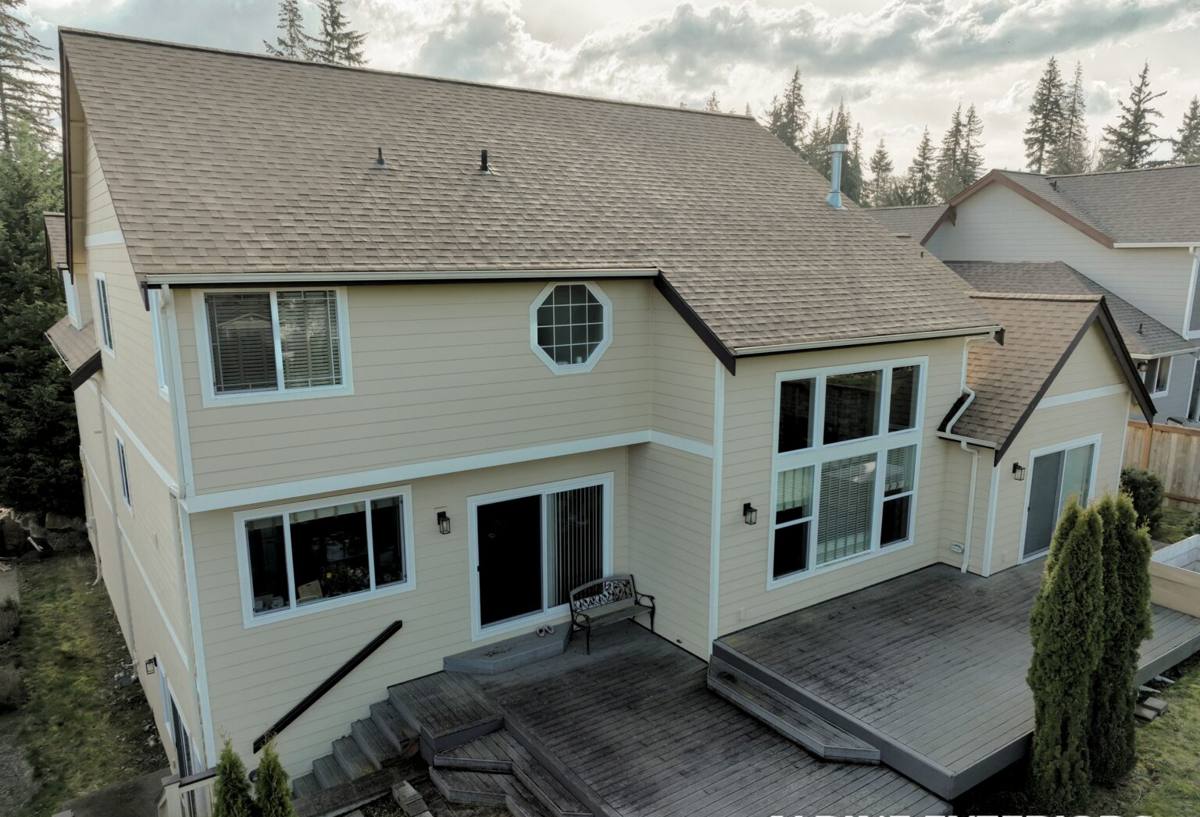
Ballard's homes run the gamut: original craftsman bungalows and older cottages near the core of the neighborhood, mid-century infill, and a wave of newer townhomes and multi-family builds. Each category has a different window problem to solve.
Older Craftsman and Early-1900s Homes
These houses often still have original wood window openings that have shifted slightly over a century of settling. Off-the-shelf replacement sashes rarely fit cleanly, and forcing a stock size into a slightly-out-of-square opening is exactly how gaps, drafts, and water intrusion start. These openings need to be measured and built to, not guessed at.
Mid-Century and Older Remodels
Many of these homes have already been through one round of window replacement, sometimes with builder-grade aluminum or early vinyl units that were never rated for this level of coastal moisture exposure. Swapping those out is often as much about correcting old installation mistakes — bad flashing, missing drip caps, sealant used in place of proper flashing — as it is about the windows themselves.
Newer Construction and Additions
Newer Ballard builds are generally in better shape structurally, but homeowners still want windows that match a specific sightline, a taller opening, or a modern black-frame look. Custom sizing and finish options matter here for appearance as much as performance.
Signs Your Windows Need Attention
Before assuming a window needs full replacement, it's worth checking for these signs — some point to a repair, others point to a real problem building behind the wall.
- Condensation or fogging between panes of a double-pane window (a sign the seal has failed)
- Soft or discolored wood on the sill, jamb, or exterior trim
- Visible moss or dark streaking on wood trim, sills, or nearby siding
- Windows that are difficult to open, close, or lock — often a sign of frame movement or swelling
- A noticeable draft near the frame even with the window fully closed
- Paint that's bubbling, peeling, or chalking faster than the rest of the exterior
- Corroded or rusted hardware, latches, or hinges
Any one of these on its own isn't necessarily urgent. Several of them together, especially soft wood plus visible moss or streaking, usually means moisture has been getting behind the window for a while.
What a Correct Window Job Involves
A window replacement that actually holds up in this climate has a few non-negotiable steps, regardless of what brand or material ends up in the opening:
- Accurate measurement of the actual opening, not the nominal size of the old window — older Ballard homes especially can be out of square.
- Removal without damaging the surrounding framing, and an honest look at what's behind the old window before anything new goes in.
- Correcting any rot or water damage found at that point, not covering it up and moving on.
- Proper flashing and sealing — this is the single biggest factor in whether a window survives Puget Sound driving rain long-term. Sealant alone is not a substitute for correct flashing.
- Shimming and squaring the new unit so it operates smoothly and seals evenly on all four sides.
- Interior and exterior trim finished to match the home, with attention paid to keeping water moving away from the frame, not pooling against it.
Skip any one of these steps and the window itself barely matters — even a premium unit installed with bad flashing will leak in a few wet seasons.
Choosing Materials for a Salt Air, High-Moisture Climate
There's no single "best" window material for every Ballard home — it depends on the home's style, budget, and how close it sits to the water and tree cover. Here's how the common options actually compare in this specific climate:
| Material | Performance in Salt Air / Rain | Maintenance | Best Fit |
|---|---|---|---|
| Vinyl | Doesn't corrode; handles moisture well | Low — occasional cleaning | Budget-conscious replacements, rentals, newer builds |
| Fiberglass | Excellent — very stable, resists warping and corrosion | Low | Homes wanting long-term durability without wood upkeep |
| Wood (painted) | Vulnerable to rot and moss if not maintained | High — repainting, sealing, moss checks | Historic-character homes where original wood look matters |
| Wood-clad (wood interior, metal/vinyl exterior) | Good — exterior shell resists moisture, interior keeps traditional look | Moderate | Craftsman homes wanting authentic interior trim with less exterior upkeep |
| Aluminum (uninsulated) | Poor — conducts cold, prone to condensation and corrosion near salt air | Moderate | Generally not recommended for this climate unless thermally broken |
We steer most Ballard homeowners away from plain uninsulated aluminum and unmaintained bare wood for exterior-facing exposures, not because either is a bad product in the right setting, but because both carry real maintenance and moisture trade-offs in a marine climate that a lot of homeowners don't find out about until years later. Fiberglass and quality vinyl tend to be the lower-maintenance path; wood and wood-clad remain the right call when matching original craftsman character is the priority, as long as the upkeep is part of the plan from day one.
Glazing Matters As Much As the Frame
Double-pane, low-E glazing is standard for most Ballard replacements and handles King County's temperature swings and driving rain well. Triple-pane adds extra insulation and sound dampening, which is worth considering for homes closer to busier streets or industrial areas near the water, but it adds cost and weight that isn't necessary for every home.
Our Process
We walk the same steps on every job, whether it's one window or a full-house replacement:
- On-site assessment of the existing windows, framing condition, and any moisture or rot issues
- Honest recommendation on material, glazing, and style based on the specific opening and exposure
- Precise measurement and custom ordering to the actual opening — not a generic stock size
- Removal, inspection, and repair of any hidden damage before the new window goes in
- Installation with proper flashing, insulation, and sealing suited to this climate
- Final check for smooth operation, tight seals, and clean trim work inside and out
Cost Factors to Expect
Every job is different, but these are the main things that move the price on a Ballard window project:
| Factor | Why It Matters |
|---|---|
| Frame material | Vinyl generally costs less upfront than fiberglass or wood-clad |
| Number of windows | Per-window cost typically drops on larger, whole-house projects |
| Hidden rot or framing repair | Not knowable until the old window is out; adds labor and material |
| Glazing package | Triple-pane and specialty glass cost more than standard double-pane low-E |
| Opening complexity | Odd shapes, tall craftsman openings, or out-of-square frames take more custom work |
| Trim and finish | Matching historic trim profiles takes more time than standard trim |
We'd rather walk a homeowner through these variables in person than throw out a number that doesn't hold up once we're actually looking at the opening.
Why a Crew That Already Works Ballard Matters
Window problems here aren't generic. A crew that regularly works Ballard and the surrounding King County waterfront neighborhoods already knows what salt exposure does to hardware over time, how much moss buildup is normal versus a warning sign, and which older housing stock tends to hide rot behind trim that looks fine from the street. That familiarity means fewer surprises mid-project and a specification — material, flashing detail, glazing — that's chosen for this climate from the start, not adapted after something fails.
Keeping New Windows Performing in This Climate
A correctly installed window still benefits from basic upkeep in a moss-prone, salt-air environment:
- Rinse accumulated grime and salt residue off frames and glass a couple times a year
- Keep gutters and nearby roof valleys clear so runoff isn't sheeting directly onto window heads
- Trim back overhanging branches that keep a window shaded and damp longer than necessary
- Check caulking and weatherstripping annually and touch up before small gaps become leaks
- Wipe down and lightly lubricate hardware if it starts to feel stiff or resistant
None of this is heavy work, but skipping it is how a well-installed window ends up with the same problems as the one it replaced.
If you're dealing with drafty, foggy, or moss-streaked windows on a Ballard home, we're happy to take a look and give you a straightforward, no-pressure estimate — use the form below to get started.