 King County
 Ballard's Windows Work Harder Than Most
Ballard sits close to Salmon Bay and the Sound, which means its homes take on a steady diet of salt-laden air, wind-driven rain, and long stretches of gray, damp weather that barely lets surfaces dry out between storms. Add in the moss and algae growth that comes with King County's mild, wet winters, and you've got a set of conditions that ages windows faster than they'd wear in a drier inland neighborhood. Frames swell and stick, seals fail early, hardware corrodes, and sills hold moisture longer than they should. None of that is a defect in the house — it's just what happens to window systems that sit exposed to this climate year after year without the right materials or installation detail behind them.
We work on homes across King County, but Ballard's older housing stock and its proximity to the water put it in its own category. A window replacement here isn't just a swap-and-caulk job. It's an opportunity to correct whatever detail let water or air in around the old unit in the first place, and to choose materials that will actually hold up to salt exposure instead of just looking good on install day.
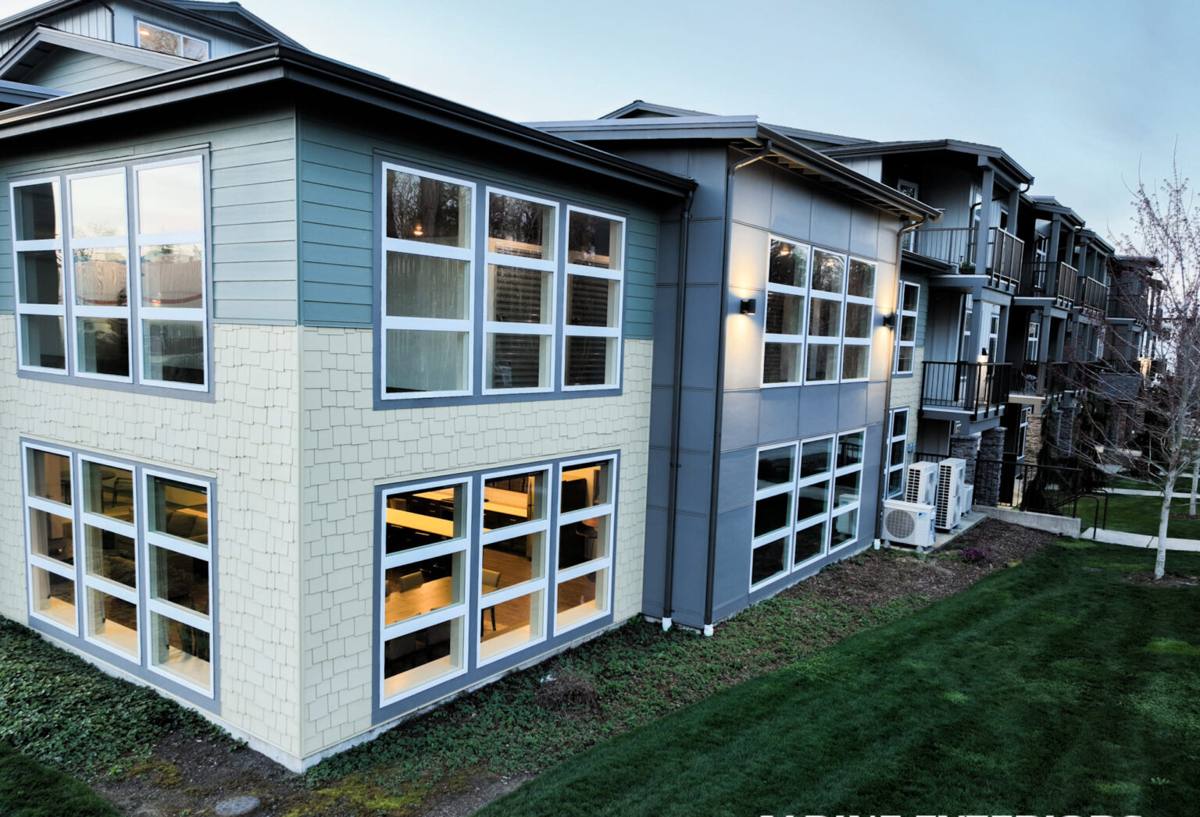
What Salt Air, Rain, and Moss Actually Do to a Window
It helps to understand the specific ways this climate attacks a window system, because it changes what "correct installation" means here compared to a drier region.
- Salt air accelerates corrosion on hardware, hinges, and metal spacers inside insulated glass units — this is why hardware and spacer material choice matters more near the water than it does further inland.
- Driving rain tests flashing and sealant details, not just the window itself. Most leaks we find in Ballard trace back to how water was (or wasn't) directed away from the rough opening, not a failure of the window product.
- Long wet seasons keep wood sills and trim damp for extended stretches, which is where rot and paint failure start if the original detailing didn't account for drainage.
- Moss and algae hold moisture against exterior surfaces longer, which is hard on painted wood trim and can mask early signs of water intrusion around a window opening until the damage is more advanced.
None of these are reasons to avoid replacing windows — they're reasons to be deliberate about materials, flashing, and sealant choices when you do.
Signs a Ballard Home Is Due for Replacement
Homeowners usually notice a handful of specific issues before they call us. If any of these sound familiar, it's worth having someone take a look:
- Windows that are difficult to open, close, or lock — often from swollen wood or corroded hardware
- Visible fog or moisture between the panes of double-pane glass, which means the seal has failed
- Cold drafts near the frame even when the window is fully latched
- Soft or discolored wood at the sill or lower corners of the frame
- Paint that keeps failing at the same spot on the exterior trim, no matter how often it's touched up
- Noticeably higher heating bills in a home where nothing else about energy use has changed
Any one of these on its own might just need a repair. Several at once, especially on a window that's original to an older Ballard home, usually points to full replacement being the more practical fix.
What a Correct Window Replacement Involves
The window unit itself is only part of the job. In a climate like this, the installation detail is what determines whether the replacement lasts fifteen years or thirty.
Opening prep and inspection
Before a new window goes in, we check the rough opening for rot, soft framing, or old water damage that the previous window may have been hiding. This is the point where hidden problems get caught and fixed — not after the new window is already sealed in place.
Flashing and drainage
Proper flashing directs any water that gets past the exterior cladding down and out, away from the framing, rather than letting it pool at the sill. This detail matters more in Ballard than in drier parts of King County simply because there's more water hitting the wall assembly over the course of a year.
Air sealing and insulation
The gap between the new window frame and the rough opening gets sealed and insulated correctly — not just stuffed with excess spray foam, which can bow a frame out of square, and not left with gaps that let air and moisture track in behind the trim.
Exterior sealant and finish
The sealant used around the exterior perimeter needs to handle UV exposure, temperature swings, and constant damp conditions without cracking or pulling away within a couple of seasons. We use sealants rated for this kind of exposure rather than whatever's fastest to apply.
Choosing Materials for a Marine Climate
Frame material is one of the bigger decisions in a Ballard window replacement, and it's worth weighing against how each option actually performs near salt air and constant moisture — not just upfront cost.
| Frame Material | How It Handles This Climate | Maintenance |
|---|---|---|
| Vinyl | Won't rot or corrode; performs consistently in damp, salty air | Low — occasional cleaning |
| Fiberglass | Very stable in temperature and moisture swings; strong resistance to warping | Low — occasional cleaning |
| Aluminum | Durable but prone to corrosion over time in salt-air exposure unless properly coated | Moderate — watch for pitting near hardware |
| Wood (unclad) | Handsome but the most vulnerable to the long wet season and moss-holding moisture | High — regular repainting and sealing |
| Wood-clad | Wood interior warmth with a protective exterior shell; performs well if flashing is correct | Moderate — interior finish upkeep |
There's no single right answer for every home — a wood-clad window on a well-protected wall with good overhangs can do fine here, while the same window on a wall that takes direct weather may struggle. We'll walk through what makes sense for your specific exposure rather than pushing one material across the board.
Glass and hardware notes
For homes closer to the water, we lean toward hardware and spacer systems built to resist corrosion, and we pay attention to how well an insulated glass unit's seal is rated to perform over time in a consistently damp environment — a failed seal shows up as fogging between panes, and it's not something that can be repaired without replacing the glass unit.
Our Process for a Ballard Window Replacement
- On-site assessment — we look at each window's condition, the framing behind it, and how the house is oriented relative to weather exposure.
- Honest recommendation — full replacement, partial replacement, or in some cases just a targeted repair, depending on what we actually find.
- Material and glass selection — matched to your budget and to how exposed that particular wall of the house is.
- Installation — proper opening prep, flashing, air sealing, and exterior finish work, done in a sequence that doesn't leave the opening exposed to weather overnight.
- Final check — operation, seal, and exterior sealant lines get inspected before we consider the job done.
We schedule around Seattle's weather patterns where we can, but part of working in this region long-term is knowing how to protect an open wall if a job runs into a wet stretch — which happens more often here than it would in a drier climate.
Permits and Local Considerations
Window replacement in Seattle and unincorporated King County can involve permitting depending on the scope of work, especially if framing is being altered or if the home is in a designated historic district. Ballard has pockets of older housing stock where this can come up. We handle the determination of what's required for your specific project as part of the estimate, so there are no surprises once work starts.
Cost Factors to Expect
Exact pricing depends on your home, but the main variables that move the number up or down are consistent across most Ballard projects:
| Factor | How It Affects Cost |
|---|---|
| Number of windows | Per-unit pricing typically drops somewhat as the total count on a job goes up |
| Frame material | Vinyl is generally the most budget-friendly; fiberglass and wood-clad run higher |
| Opening condition | Rot or framing damage found during removal adds repair work before the new window goes in |
| Window size and style | Larger units and specialty shapes (bays, custom sizes) cost more than standard double-hungs |
| Story and access | Second-story or hard-to-access windows take more time and equipment |
Most whole-window replacements land somewhere between a few hundred and a couple thousand dollars per window depending on these factors — we'll give you real numbers for your home after a walkthrough, not a phone estimate based on guesswork.
Why a Crew That Already Works in Ballard Makes a Difference
Any licensed contractor can install a window. What's harder to fake is the judgment that comes from having already handled dozens of homes in this specific pocket of King County — knowing which materials actually hold up to this exposure, which flashing details get skipped by crews used to drier climates, and how the local older housing stock tends to be built. That experience shows up in fewer callbacks, fewer surprises during removal, and a finished job that's still performing well five and ten years out, not just on install day.
What to check before hiring anyone for this work
- Washington State contractor license and current insurance, verifiable on request
- Manufacturer-backed warranty on the windows themselves, separate from the installer's workmanship warranty
- A written scope that specifies flashing and sealing details, not just "install windows"
- Experience working on homes in your specific neighborhood, not just the broader region
- A straight answer about permit requirements for your project, given upfront rather than discovered mid-job
If you're weighing a Ballard window replacement, we're happy to take a look and give you a straightforward assessment of what your home actually needs — no pressure, no inflated urgency. Reach out for a free estimate using the form below.