 King County
 Board & Batten Siding Built for Ballard's Weather
Ballard sits close to the water, and that proximity shapes what siding has to survive here. Salt-laden air off Puget Sound accelerates corrosion on fasteners and trim, wind-driven rain finds every gap in a poorly flashed wall, and the long gray stretch from fall through spring keeps siding damp enough, long enough, for moss and algae to take hold. Board and batten siding — with its strong vertical lines and deep shadow reveals — is a popular choice for Ballard's mix of century-old craftsman homes and newer infill construction, but the look only holds up if the material and the installation are matched to this climate. A lot of board and batten failures we get called out to inspect aren't design failures. They're moisture management failures that took a few winters to show up.
Why Board & Batten Fits Ballard's Housing Stock
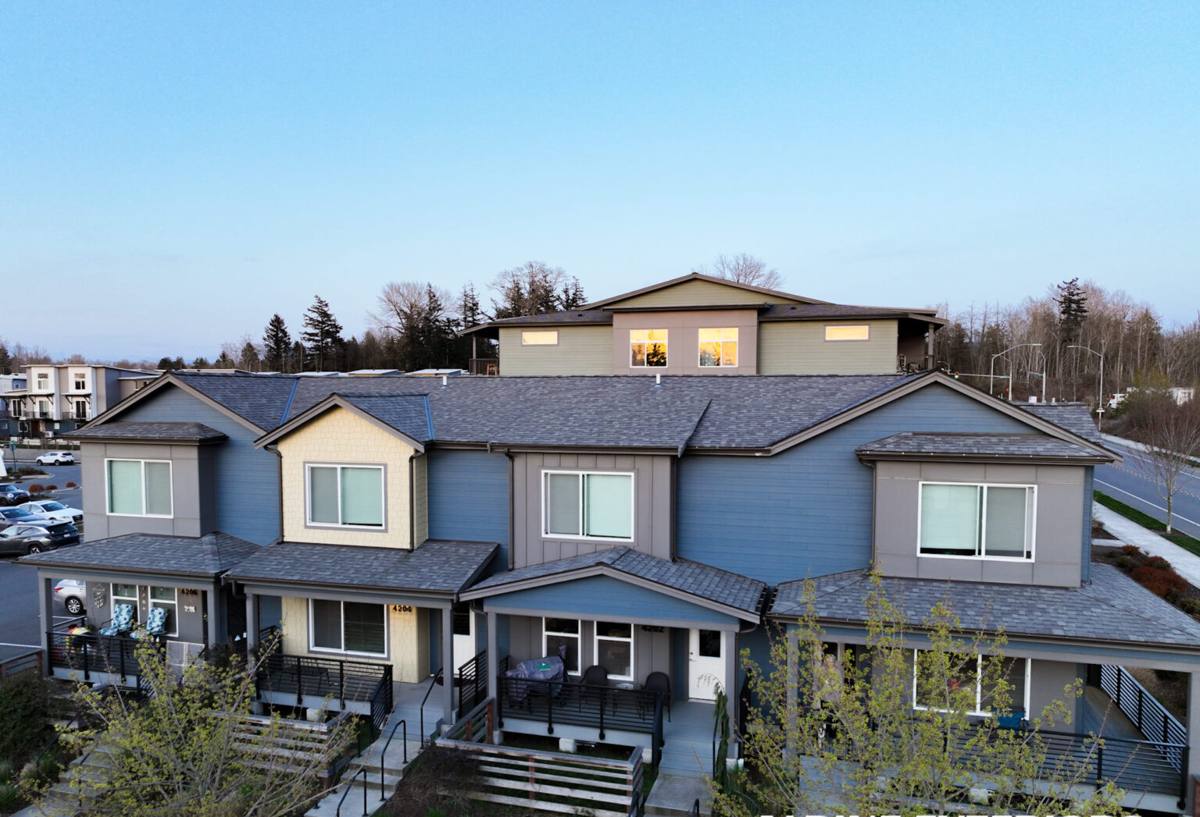
Board and batten reads as both traditional and modern, which is part of why it works so well across Ballard's varied architecture. On an older craftsman or bungalow, it echoes the vertical wood siding details that were common when many of these homes were built. On newer construction and remodels, it reads clean and contemporary, especially when mixed with horizontal lap siding as an accent on gables, dormers, or entry features. The wide, flat boards and narrow battens create strong shadow lines that hold up well in the flat, diffused light typical of a Pacific Northwest winter — a detail homeowners often don't think about until they see how much a textured facade improves curb appeal on an overcast day.
Where It Gets Used Locally
- Full exterior siding on craftsman-style and modern farmhouse homes
- Accent siding on gables, dormers, and entry porches paired with lap siding below
- Garage and accessory structure siding to match or complement the main house
- Additions and remodels where matching an original board and batten look matters
Why We Install James Hardie — and Nothing Else — for Board & Batten
We only install James Hardie fiber cement siding, including its board and batten panel and plank systems. That's a deliberate standard, not a default. Board and batten siding lives or dies on how well the vertical joints and battens shed water over decades, not just the first few seasons, and fiber cement gives us a material that doesn't swell, cup, or rot the way wood-based products can when they take on repeated moisture. James Hardie engineers its HZ5 and HZ10 product lines specifically for climate zones like ours, with a formulation built to resist moisture damage and the freeze-thaw cycling we get through a typical Ballard winter. The factory-applied ColorPlus finish also matters more here than in drier climates — it's baked on under controlled conditions, resists fading and moisture intrusion at the surface, and holds up to the UV exposure Ballard does get during its brighter months, without the touch-up painting cycle that field-finished siding eventually demands. We don't install vinyl, LP SmartSide, primed spruce, cedar, or other fiber cement brands, and we're upfront about why: those products each carry real trade-offs in this specific climate — moisture sensitivity, shorter finish life, or maintenance demands — that we'd rather not put our name behind.
What a Correct Board & Batten Installation Actually Involves
Board and batten has more vertical seams than lap siding, and every one of those seams is a potential water entry point if it's not detailed correctly. A correct installation in a wet climate like Ballard's comes down to a handful of non-negotiables:
- A drainage plane behind the siding. A weather-resistive barrier — and ideally a rainscreen gap — lets any moisture that gets past the siding drain and dry out instead of sitting against the sheathing.
- Correct fastening for panel and batten thickness. Fastener spacing, embedment, and placement follow James Hardie's published specs, not general carpentry judgment — this is one of the most common places we see prior installs cut corners.
- Flashing at every horizontal transition. Window and door heads, water tables, and any point where a roof or deck meets the wall need proper flashing integration, not just caulk.
- Batten placement over sound backing. Battens need to land on framing or proper blocking, not just be face-nailed into the panel joint.
- Sealed and back-primed cut edges. Every field cut exposes raw fiber cement that needs to be sealed per manufacturer spec before it's closed in.
Skip any one of these and the siding can still look right for a year or two. In Ballard's rain volume, the gaps show up as staining, soft trim, or moss establishing itself in places it shouldn't be able to grow — usually right where a flashing detail or fastener was done wrong.
Our Process for a Ballard Board & Batten Project
We run the same disciplined process on every board and batten job, adjusted for what your specific house needs:
- On-site assessment. We look at your existing siding condition, sheathing, and any moisture or rot issues before we ever talk product or price.
- Tear-off and sheathing inspection. Old siding comes off and we check what's underneath — this is where hidden water damage gets caught before it's covered up again.
- Weather barrier and drainage plane installation. This step is what actually protects the wall long-term, and it's done before a single board goes up.
- James Hardie board and batten installation to spec. Fastening, flashing, and batten placement follow manufacturer requirements, not shortcuts.
- Final inspection and walkthrough. We check seams, caulking, and trim details with you before we call the job done.
Comparing Board & Batten Material Options
| Material | Moisture Performance in Ballard's Climate | Maintenance | Typical Lifespan |
|---|---|---|---|
| James Hardie Fiber Cement | Engineered for wet, coastal climates; resists swelling and moisture-driven decay | Occasional washing; factory finish reduces repainting needs | Multiple decades with correct install |
| Cedar / Solid Wood | Attractive but absorbs moisture readily; needs consistent sealing to resist rot | Regular refinishing and inspection for moisture damage | Shorter without diligent upkeep |
| Engineered Wood (e.g. LP SmartSide) | Wood-based core is more moisture-sensitive than fiber cement over time | Field-applied finish needs monitoring and touch-up | Variable; installation quality is critical |
| Vinyl | Doesn't rot, but can warp or crack in temperature swings; seams can trap moisture | Low, but limited repair options if damaged | Moderate; appearance can degrade with UV exposure |
What to Check Before Hiring for a Ballard Board & Batten Job
- Does the contractor detail a specific drainage plane and rainscreen approach, or just say "we'll wrap it"?
- Will they specify fastener type, spacing, and embedment for your exact panel thickness?
- Do they explain how window, door, and roofline flashing will integrate with the new siding?
- Are they installing a product engineered for wet coastal climates, or a general-purpose material?
- Can they speak specifically to how Ballard's salt air and rain volume affect fastener choice and finish?
- Is there a clear, transferable warranty on both material and workmanship?
Why It Matters That We Already Work in Ballard
A crew that regularly works Ballard homes already knows what to expect before they show up: the mix of older framing and newer construction, the permit process through the City of Seattle, and how much wind-driven rain a wall assembly here actually has to handle compared to a drier inland job. That familiarity shows up in small decisions — how tight the rainscreen gap should be, which fastener finish holds up best this close to salt air, how much roof and gutter work needs to happen alongside the siding to keep water moving away from the wall. It's the difference between a crew executing a generic install and one making judgment calls informed by having done this exact work, in this exact neighborhood's conditions, before.
Living With Board & Batten Siding in Ballard's Climate
Even correctly installed fiber cement siding benefits from basic upkeep in a moss-prone climate. A periodic wash to knock back algae and moss growth, especially on north-facing walls and shaded sections, keeps the ColorPlus finish looking sharp and prevents organic growth from holding moisture against the surface. Keeping gutters clear and grading water away from the foundation matters just as much as the siding itself — a lot of what looks like a siding problem after a few Ballard winters actually traces back to water management around the house, not the panels themselves.
If you're weighing board and batten siding for a Ballard home, we're glad to walk the property, look at what's there now, and give you a straight read on what a correct installation would involve. Reach out for a free, no-pressure estimate using the form below.