 King County
 Board & Batten Siding in Renton: Built for This Climate, Not Just This Look
Board and batten has become one of the most requested siding styles in Renton over the last several years — the vertical lines read as clean, modern farmhouse or craftsman depending on the trim details, and it pairs well with the mix of ranch, split-level, and newer infill homes you see across this part of King County. But board and batten is a style, not a material, and the material decision is where most of the long-term performance gets decided. A vertical wood-look siding that isn't detailed correctly for this climate will show problems years before a properly built one does. This page is about doing board and batten right for a Renton home specifically — what the local climate demands, what a correct installation actually involves, and why the crew you hire matters as much as the product on the wall.
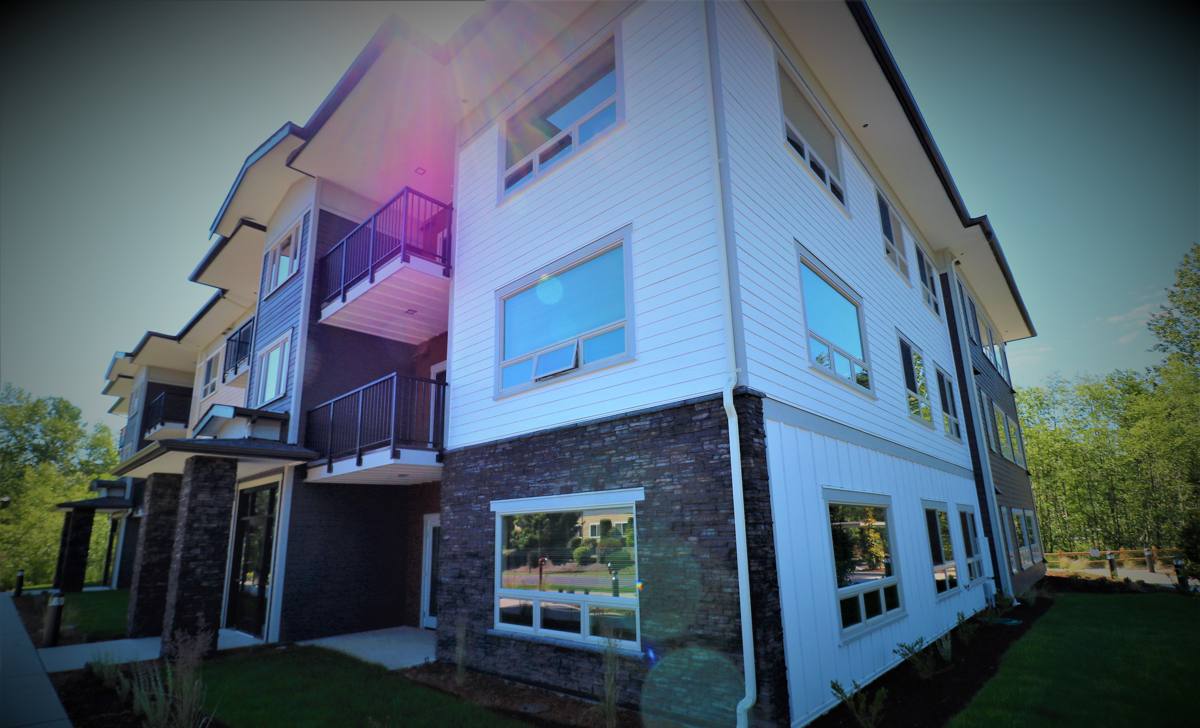
What King County's Climate Does to Vertical Siding
Renton sits in a stretch of King County that gets a long wet season, a real moss season, and near-constant exposure to moisture-heavy marine air moving through the Puget Sound region. That combination is harder on siding than most homeowners realize, and it's especially hard on vertical board and batten profiles for a specific reason: every horizontal seam, every batten-to-board joint, and every butt joint is a place where wind-driven rain can find a way behind the surface if it wasn't flashed and detailed correctly.
A few climate realities that shape how we build a board and batten wall here:
- Driving rain, not just rain. Wind pushes moisture sideways and upward against a wall, not just straight down — vertical siding needs real drainage behind it, not just a good caulk joint.
- Moss and mildew season runs long. Shaded elevations, north-facing walls, and anything under tree cover in Renton's older neighborhoods stay damp for months at a time, which is exactly the environment moss and mildew need.
- Salt-tinged marine air. Air moving through the Sound carries moisture and salinity that accelerates corrosion on fasteners, flashing, and trim that isn't rated for it.
- Freeze-thaw cycling, even if mild. Trapped moisture that freezes and thaws repeatedly through a King County winter widens small gaps into real problems over a few seasons.
None of this means board and batten is a bad choice for Renton. It means it has to be built as a system — material, framing behind it, flashing, and fastening all working together — not just installed as a decorative surface.
Why Board & Batten Specifically Suits Renton Homes
Beyond the climate argument, board and batten fits the architectural character of this area well. It reads honestly on gable ends and dormers, works as an accent alongside lap siding on a mixed-material front elevation, and gives older Renton ranches and split-levels a clean update without looking out of place next to newer farmhouse-style builds going up nearby. It's also a practical choice for garages, shop buildings, and accent walls where a strong vertical line does more visual work than a horizontal lap profile would.
The style choice is easy. The harder — and more important — decision is what it's made of and how it's put on the wall.
What a Correct Board & Batten Installation Actually Involves
Drainage Behind the Siding
In a wet climate like King County's, the siding surface is the second line of defense, not the first. A correct installation includes a drainage plane — typically a weather-resistive barrier plus a rainscreen gap created with vertical furring strips — so that any moisture that does get past the surface has somewhere to go instead of sitting against the sheathing. This is the single biggest difference between a board and batten wall that lasts decades and one that starts showing rot behind the battens in five or six years.
Flashing at Every Transition
Windows, doors, roof lines, and horizontal trim boards all need proper flashing integration before the siding goes on. Board and batten's vertical joints make flashing discipline even more important, because water traveling down a batten line will find any gap at a window head or sill and work its way in.
Fastening Pattern and Batten Spacing
Battens need consistent spacing and a fastening pattern that accounts for the material's expansion and contraction — this matters more with some materials than others, which is part of why product choice and installation method aren't separate decisions.
Sealed and Caulked Correctly, Not Over-Caulked
A common mistake is relying on caulk to do the job that flashing and drainage should be doing. Caulk fails eventually — it's a maintenance item, not a waterproofing strategy. We use sealant where it belongs, at specific joints, not as a substitute for correct flashing underneath.
Why We Only Install James Hardie Fiber Cement
We install board and batten siding using James Hardie fiber cement — specifically Hardie's panel and trim board system, engineered for the Pacific Northwest as an HZ5 product line. We don't install vinyl board and batten, LP SmartSide, Cemplank, Allura, or primed wood battens, and we want to be upfront about why, because it's the whole reason this company exists in its current form.
Each of those alternatives has real strengths — vinyl is inexpensive and low-maintenance in mild climates, engineered wood products install quickly and take paint well, primed wood battens can look beautiful when new. But in a climate that delivers this much sustained moisture, wind-driven rain, and moss pressure, we've seen where each of them tends to give up over time: seams that work loose, edges that swell if a coating is breached, or a maintenance schedule that's tighter than most homeowners realize when they buy. James Hardie fiber cement is non-combustible, dimensionally stable in wet-dry cycling, and its ColorPlus factory finish is baked on and warrantied rather than field-applied — which matters a lot on a vertical profile with dozens of exposed edges and joints. We'd rather install fewer products correctly than install everything and manage the trade-offs case by case.
Comparing Board & Batten Material Options
| Material | Moisture Behavior in This Climate | Maintenance | Typical Lifespan Here |
|---|---|---|---|
| James Hardie fiber cement (HZ5) | Engineered for wet climates; dimensionally stable | Low — factory finish, occasional wash | Decades with correct install |
| Vinyl board and batten | Can warp or gap with temperature swings; joints rely on overlap, not seal | Low, but limited repairability | Moderate; UV and impact sensitive over time |
| Engineered wood (LP-type) | Vulnerable at cut edges and joints if coating is breached | Moderate — edge sealing and inspection matter | Shorter if moisture gets behind the surface |
| Primed solid wood battens | Absorbs moisture readily; needs consistent coating maintenance | High — repainting cycle required | Shortest without disciplined upkeep |
This table is about honest trade-offs, not knocking any one product. It's the reason we made a standardization decision rather than offering every option and letting the climate sort out the winner after installation.
Our Process, Start to Finish
- On-site walkthrough. We look at your home's specific exposure — which elevations take the most wind-driven rain, where shade and moisture collect, and what's happening behind the current siding if it's a replacement.
- Detailed estimate. You get a clear scope covering material, drainage plane, flashing plan, and finish — not just a square-footage price.
- Tear-off and inspection. On replacement projects, we check the sheathing underneath for hidden moisture damage before anything new goes on. This step catches problems a surface-only quote would miss entirely.
- Weather-resistive barrier and rainscreen installation. This is the layer that does the real waterproofing work.
- Flashing at every penetration and transition. Windows, doors, roof-to-wall connections, and any other break in the wall plane.
- Board and batten installation to Hardie's fastening specification. Correct spacing, correct fasteners, correct nailing pattern.
- Final detailing and walk-through. We review the finished work with you before calling the job complete.
Maintenance: What a Renton Homeowner Actually Needs to Do
One of the advantages of Hardie fiber cement with a factory finish is how little ongoing work it asks for, but "little" isn't "none" — especially in a climate that grows moss on almost anything that sits still.
- Rinse the siding once or twice a year, more often on shaded or north-facing walls where moss pressure is highest.
- Keep gutters clear so overflow doesn't run down the siding face and feed moisture into joints below.
- Trim back vegetation and tree cover that keeps a wall section shaded and damp for extended periods.
- Inspect caulk joints at trim and penetrations every year or two and have any failed sealant replaced promptly.
- Watch for moss or dark streaking as an early signal, not a cosmetic afterthought — it tells you where moisture is lingering longest on your walls.
Why a Crew That Already Works in Renton Matters
Board and batten done wrong doesn't usually fail in year one — it fails in year five or seven, after the crew that installed it is long gone and the warranty conversation gets complicated. A crew that already works this part of King County knows which elevations on a typical Renton lot take the worst weather, understands local permitting and inspection expectations, and has already made the mistakes elsewhere so they don't get made on your house. That local pattern recognition — knowing where moss pressure builds, where wind-driven rain hits hardest, how a King County winter treats an improperly flashed joint — is the difference between a crew that installs siding and a crew that installs siding correctly for this specific climate.
We stand behind the installation and back it with James Hardie's manufacturer warranty on the material itself, which only holds up if the installation was done to spec in the first place. That's the whole reason we limit ourselves to one product system we know inside and out rather than several we'd be learning the hard way on your home.
Get a Straightforward Estimate
If you're considering board and batten siding for a Renton home — a full replacement, an accent wall, or a garage or shop building — we're happy to come take a look and walk you through what your specific home needs. There's no pressure and no obligation, just a clear look at the project and an honest estimate. Use the form below to get started.