 King County
 Deck Building Built for Capitol Hill, Not a Generic Backyard
Capitol Hill is one of Seattle's oldest and densest neighborhoods, and that history shows up in the housing stock: craftsman bungalows, older multi-family conversions, rowhouses, and newer infill homes all sitting close together on lots that were platted long before anyone thought about deck footings or drainage easements. Building a deck here isn't the same project as building one on a flat half-acre lot out in the suburbs. Lot lines are tight, grades are often steep, mature trees shade half the yard, and the structure you're attaching to may be seventy or more years old. A deck built for this neighborhood has to account for all of that, not just look good in a rendering.
This page covers what a deck built specifically for a Capitol Hill property needs to hold up, what a correct build actually involves, and how our process handles the local conditions that generic advice tends to skip over.
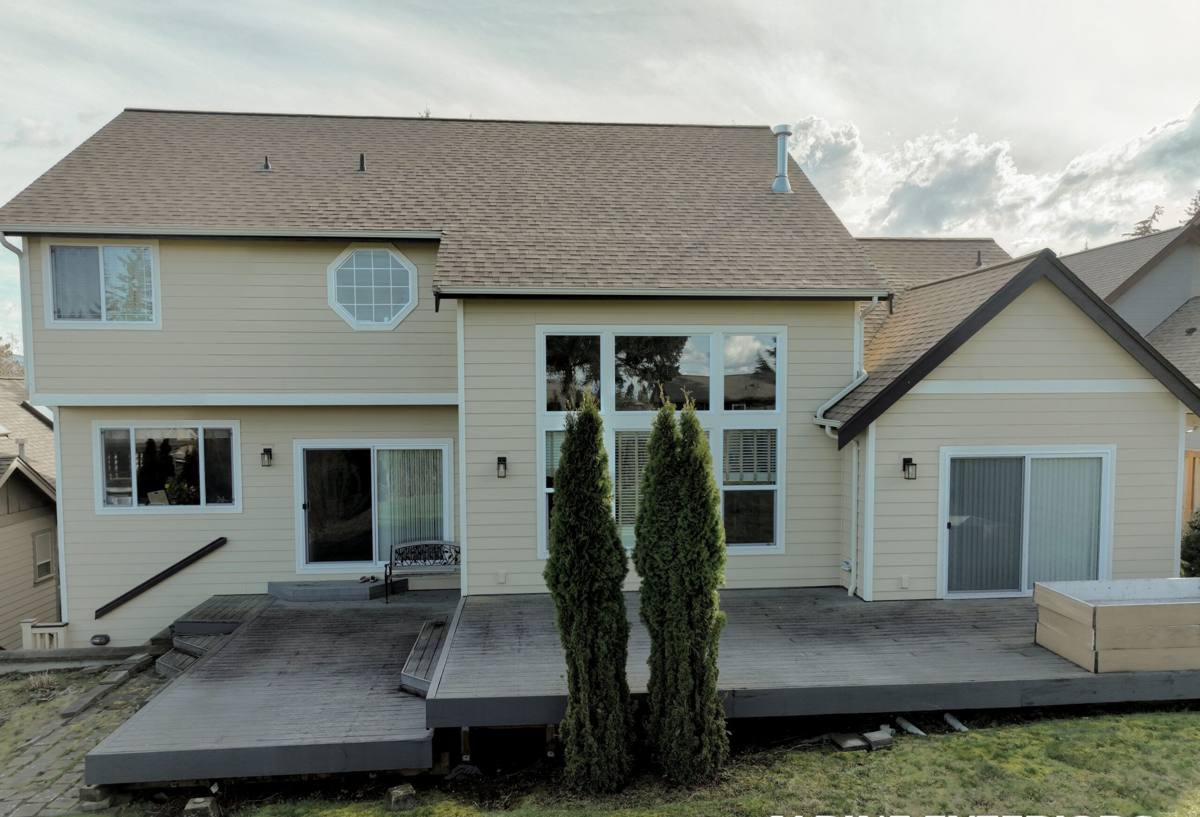
What King County's Climate Does to a Deck
Western Washington's climate is hard on exterior wood and hardware in ways that aren't always obvious until a few years in. Three factors matter most for a Capitol Hill deck:
Moss and Shade
Capitol Hill's tree canopy and close-set housing mean a lot of decks sit in partial shade for much of the day, especially on the north or east side of a lot. Combined with our long, wet fall-through-spring stretch, that shade turns into a long moss season. Moss holds moisture against decking boards and fasteners far longer than open sun exposure would, which accelerates rot in wood and can leave composite boards looking dingy if the surface isn't built to shed water and debris.
Driving Rain
Puget Sound storms regularly come in sideways, not straight down. That matters at every point where a deck meets the house — ledger boards, door thresholds, and rim joists — because water gets pushed into gaps and seams that a light, straight-down rain would never reach. Flashing details that would be adequate in a drier climate aren't adequate here.
Salt Air and Corrosion
Capitol Hill sits close enough to Puget Sound that airborne salt is a real factor, particularly on exposed, elevated decks. Standard fasteners and hardware corrode faster in this environment than inland installations, which is why hardware selection matters as much as the decking material itself.
Choosing the Right Decking Material for This Neighborhood
There's no single "best" decking material — the right choice depends on how much sun and moss exposure the deck gets, how much maintenance the homeowner wants to do, and budget. Here's how the common options actually perform under Capitol Hill conditions:
| Material | How it handles moss/rain | Maintenance | Typical lifespan |
|---|---|---|---|
| Pressure-treated wood | Needs regular sealing to resist moisture and moss staining; lowest upfront cost | Annual cleaning and re-sealing recommended | 10–15 years with upkeep |
| Cedar | Naturally rot-resistant but still needs sealing in shaded, moss-prone spots | Periodic sealing and cleaning | 15–20 years with upkeep |
| Composite decking | Sheds moss buildup better than wood but still needs washing in shaded areas | Low — occasional washing, no sealing | 25–30 years |
| PVC/capped polymer | Best moisture and moss resistance of the group; won't absorb water | Lowest — occasional washing | 25–30+ years |
For a shaded, moss-heavy Capitol Hill lot, we usually steer homeowners toward composite or capped polymer if budget allows, simply because the maintenance burden of sealing wood every year or two in this climate is real and easy to underestimate. That said, cedar remains a solid, honest choice for homeowners who want a natural look and are willing to keep up with it — it's a trade-off in appearance and upkeep, not a product we'd call inferior.
Fasteners and Hardware
Given the salt air and moisture exposure, we use corrosion-resistant, code-rated fasteners and structural hardware on every deck, not just the ones closest to the water. Cutting corners here is one of the most common causes of premature deck failure — the decking looks fine while the connectors underneath are quietly rusting away.
Structural Considerations for Capitol Hill Lots
Capitol Hill's terrain and housing density add structural wrinkles that don't come up on a flat, open lot:
- Steep or sloped grades: Many lots step down from the street or yard, which often means an elevated deck with a taller substructure, additional bracing, and more attention to footing depth and soil conditions.
- Tight lot lines: Setback requirements and neighboring structures close by mean the footprint and railing placement need to be planned carefully before any digging starts.
- Older ledger attachments: On a home from the early-to-mid 1900s, the rim joist or wall framing the new deck will attach to may need reinforcement, and the ledger connection has to be properly flashed and bolted — this is the single most common failure point on older Seattle homes' decks.
- Tree roots and canopy: Mature trees common to the neighborhood can affect footing placement and long-term moss exposure, both of which factor into the design.
Drainage and Moisture Management
Given how much rain King County sees, drainage isn't an afterthought — it's a core part of the design. A correctly built deck directs water away from the house rather than letting it pool at the ledger or seep into the framing below. That includes proper ledger flashing, joist tape on structural framing to keep fasteners from sitting in standing moisture, and decking gaps sized to let water pass through rather than collect. On lower or under-deck spaces, we also consider how water draining off the deck surface will affect the ground or any living space underneath.
Our Deck Building Process
- On-site assessment: We look at the existing structure (if replacing a deck), the grade, sun/shade exposure, and how the deck ties into the house.
- Design and material selection: We walk through decking, railing, and hardware options based on your budget, maintenance preference, and the site's specific moss/moisture exposure.
- Permitting: We handle the permit application and inspection scheduling required for Seattle and King County jurisdiction.
- Demolition (if applicable): Removal of the old deck, checking the condition of the framing and ledger attachment underneath.
- Framing and structural work: Footings, posts, beams, and joists built to current code, with corrosion-resistant hardware throughout.
- Flashing and waterproofing: Ledger flashing and any necessary membrane work done before decking goes down — this step gets skipped or rushed more than any other on lower-quality builds.
- Decking, railing, and finish work: Installation of your chosen decking material, railings to code, and any stairs or lighting.
- Final walkthrough and inspection: We review the finished deck with you and make sure it passes final inspection.
Permits and Code in Seattle and King County
Most new decks and many deck replacements in Seattle require a building permit, and the requirements around railing height, guard spacing, footing depth, and ledger attachment are enforced at inspection. Because Capitol Hill has such a mix of older and newer construction, permit requirements can vary depending on the age and condition of the existing structure. We handle the permit process as part of the job so you're not the one tracking down inspections or code requirements — that's our job to know, not yours.
Maintenance Checklist for Long Moss Seasons
Whatever material you choose, a few habits go a long way toward keeping a Capitol Hill deck sound through our wet stretch of the year:
- Sweep leaves and debris off the deck surface regularly in fall — trapped organic matter is what feeds moss growth
- Wash the deck surface at least once a year, more often in heavily shaded spots
- Check and re-seal wood decking every 1–2 years, or as soon as water stops beading on the surface
- Inspect the ledger board area and any visible fasteners annually for rust staining or gaps in flashing
- Keep gutters and downspouts near the deck clear so runoff isn't dumping extra water onto or under the structure
- Trim back overhanging branches where practical to reduce shade and debris buildup
Why a Crew That Already Works Capitol Hill Matters
A lot of the problems we get called to fix on Capitol Hill decks trace back to a crew that built the deck the same way they'd build one anywhere else — no allowance for the grade, generic flashing details, standard hardware in a salt-air zone, or a ledger connection that wasn't checked against what was actually holding it up. Knowing the neighborhood's older housing stock, its typical lot challenges, and how Seattle's permitting and inspection process actually works isn't a bonus — it's what keeps a deck from needing major repair in eight years instead of twenty-five.
If you're planning a new deck or need to replace one that's showing its age, we're happy to take a look and put together a free, no-pressure estimate — just fill out the form below.