 King County
 Roofing in Capitol Hill: Built for Puget Sound Weather
Capitol Hill sits in one of the more weather-tested pockets of King County. Between the salt air moving in off Puget Sound and Elliott Bay, months of driving rain from fall through spring, and shaded, moisture-heavy lots that stay damp long after a storm passes, a roof here does more work than one in a drier climate. Add in a moss season that can stretch nearly year-round on north-facing slopes and tree-covered lots, and it's easy to see why roofs in this neighborhood age differently than roofs even a few miles inland.
A new roof installation in this environment isn't just about swapping old material for new. It's about choosing the right materials and installation details for a climate that stays wet for long stretches, and doing the work in a way that holds up to King County's weather patterns for the long haul. That's the standard we hold every Capitol Hill installation to.
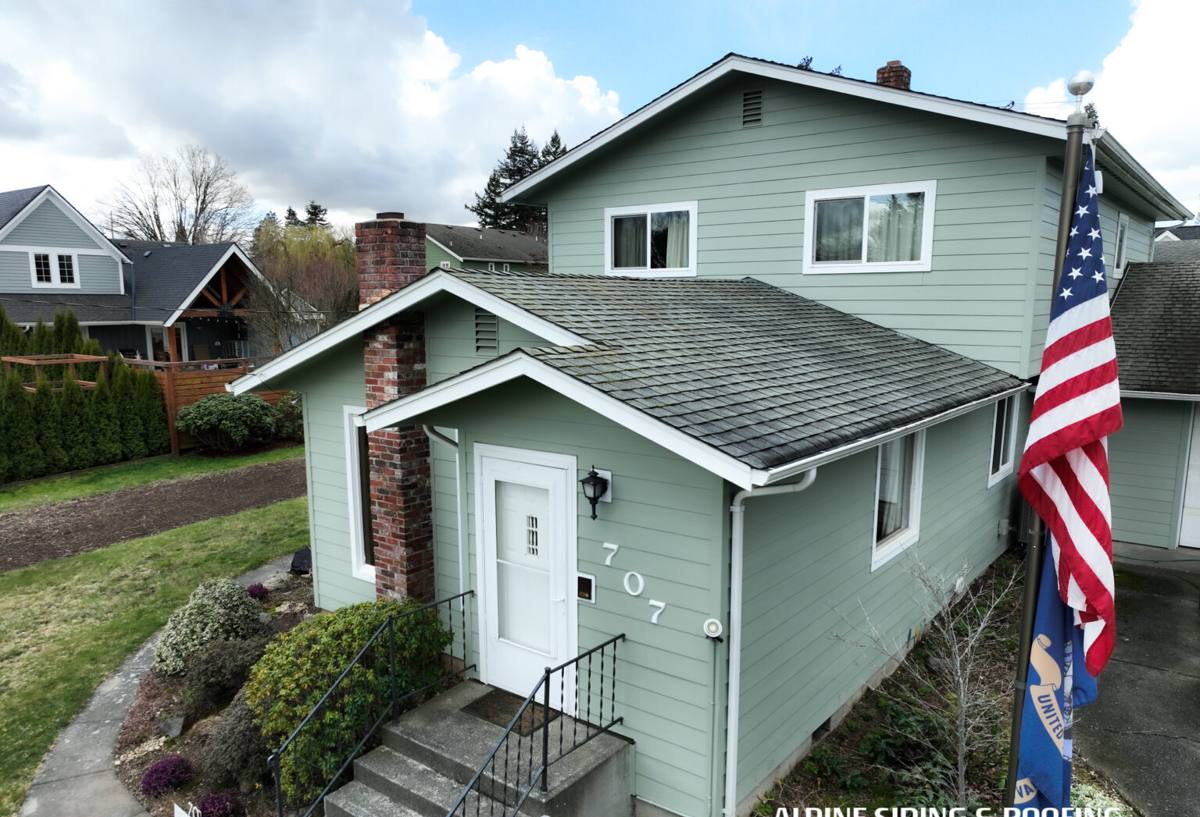
Signs Your Capitol Hill Roof Needs Replacing, Not Just Repair
Age and Material Lifespan
Most standard asphalt composition roofs installed in the Seattle area last somewhere in the 18-25 year range, depending on the product, the ventilation underneath it, and how much shade and moss exposure the roof has dealt with. If your roof is in that window and you're starting to see granule loss, curling edges, or repeated leak calls, patch repairs are usually a short-term fix on a roof that's fundamentally at the end of its service life.
Moss, Algae, and Granule Loss
A little surface moss on a shaded roof section is common in this climate and not automatically a red flag. But moss that's established itself in mats, lifted shingle edges, or worked its way under tabs is a different story — it holds moisture against the roof deck and accelerates rot underneath, even if the shingles above still look serviceable from the ground.
Leaks, Sagging, and Interior Signs
Water stains on ceilings, soft spots on the roof deck, sagging rooflines, or daylight visible in the attic are all signs that water has already gotten past the roofing material. At that point, the question usually isn't whether to replace the roof, it's how much of the deck and framing underneath also needs attention.
Roofing Materials That Hold Up in King County
There's no single "best" roofing material — the right choice depends on your home's structure, your budget, and how much long-term maintenance you're willing to take on. Here's how the common options compare for a climate like Capitol Hill's:
| Material | Moss/Moisture Resistance | Typical Lifespan | Maintenance Load |
|---|---|---|---|
| Asphalt composition shingle | Good with proper ventilation; needs periodic moss treatment | 18-25 years | Low to moderate |
| Standing seam metal | Excellent — sheds moss and water quickly | 40-60+ years | Low |
| Synthetic/composite shake | Good; more moisture-stable than natural wood | 30-50 years | Low |
| Low-slope membrane (TPO/modified bitumen) | Good on flat/low-pitch sections when properly detailed | 15-25 years | Moderate — needs regular inspection |
We don't install traditional cedar shake or shingle roofs as a standard offering. In a climate that stays wet as long as this one does, natural wood roofing requires a level of ongoing maintenance and moisture management that most homeowners don't want to keep up with, and the failure points tend to show up as hidden rot rather than obvious surface wear. If you're set on that look, a synthetic composite shake gives a similar appearance with far less long-term upkeep.
What a Correct New Roof Installation Actually Involves
Tear-Off and Deck Inspection
A proper installation starts with a full tear-off down to the roof deck, not a layover on top of existing material. That's the only way to actually see the plywood or plank sheathing underneath and catch soft, delaminated, or rotted sections before they get sealed under a new roof.
Underlayment and Ice-and-Water Protection
Given how much rain King County sees, underlayment choice matters more here than in drier climates. We use self-adhering ice-and-water shield at eaves, valleys, and around every penetration — the spots where wind-driven rain is most likely to work its way backward under standard shingles — with synthetic underlayment across the rest of the field.
Ventilation
Attic ventilation is one of the most overlooked factors in roof lifespan. A roof that can't breathe traps moisture underneath the decking, which speeds up rot and shortens the life of the shingles from below, independent of how much rain hits the surface. Balanced intake and exhaust ventilation is part of every installation, not an upsell.
Flashing Details
Chimneys, skylights, dormers, and wall-to-roof transitions are where the vast majority of roof leaks actually originate. Correct flashing — step flashing, counter-flashing, and proper kickout flashing where a roofline meets a wall — takes more time to install correctly than it does to install poorly, and it's the detail that separates a roof that leaks in year three from one that doesn't leak in year twenty.
Capitol Hill Considerations: Older Homes, Tight Lots, Steep Pitches
Capitol Hill's housing stock skews older than a lot of King County, with a large share of early-1900s craftsman and foursquare homes alongside dense multifamily buildings. That mix creates a few installation realities that don't come up the same way on a newer, suburban roof:
- Steeper, more complex rooflines — older Capitol Hill homes often have steeper pitches, dormers, and multiple roof planes, which takes more careful flashing and staging than a simple gable roof.
- Original decking — some older homes still have plank sheathing rather than modern plywood, which can need spot repair or re-decking to properly accept new material.
- Tight, urban lots — narrow lot lines, limited driveway access, and street parking in a dense neighborhood mean dumpster placement, material staging, and crew access take real planning before work starts.
- Historic character — some Capitol Hill blocks fall within designated historic districts with added design review for exterior changes. If that applies to your home, it's worth confirming requirements before locking in a material choice.
None of this makes a Capitol Hill roof harder to do right — it just means the planning stage matters more than it would on a simpler, more open property.
Our Installation Process
- Inspection and estimate — we walk the roof, check the deck and attic where accessible, and give you a written scope and price, not a vague ballpark.
- Material selection — we go over the options that fit your home, budget, and how much long-term maintenance you want to take on.
- Permitting — we handle the permitting process required for your jurisdiction before work begins.
- Tear-off and deck repair — full removal of old material, deck inspection, and any sheathing repair needed.
- Underlayment, ventilation, and installation — ice-and-water shield, underlayment, ventilation components, and the roofing material itself, installed to manufacturer specification.
- Flashing and detail work — chimneys, valleys, skylights, and wall transitions get the careful detailing that prevents future leaks.
- Site cleanup — full cleanup including a magnetic sweep for stray nails and fasteners.
- Final walkthrough — we review the finished roof with you and go over warranty coverage before we consider the job done.
What Affects the Cost of a New Roof in Capitol Hill
| Factor | Why It Matters |
|---|---|
| Roof size and pitch | Larger and steeper roofs take more material and more time to safely stage and install |
| Material choice | Asphalt, metal, and synthetic shake carry different material and labor costs |
| Number of tear-off layers | Removing multiple old layers costs more in labor and disposal than a single-layer tear-off |
| Deck condition | Rotted or delaminated sheathing found during tear-off needs repair before installation continues |
| Roof complexity | Valleys, dormers, skylights, and chimneys all add flashing detail and labor time |
| Site access | Tight urban lots with limited staging space can add time for material handling and dumpster placement |
We give a written, itemized estimate before any work starts, so you know exactly what you're paying for and why — not a number that changes once the tear-off begins.
Why a Crew That Already Works Capitol Hill Matters
A roofing crew that regularly works Capitol Hill knows the neighborhood's mix of older and newer construction, understands how to stage a job on a narrow urban lot without blocking a street for days, and is familiar with the local permitting process before the first estimate is written. That familiarity shows up in fewer surprises mid-project and a crew that already understands how to plan around the specific challenges of a dense, older neighborhood — rather than learning them on your roof.
It also matters after the job is done. A local crew is easier to reach if a warranty question comes up or a windstorm off Puget Sound tests a new roof's flashing sooner than expected.
Maintaining Your New Roof Through Moss Season
A correctly installed roof still benefits from basic seasonal upkeep in a climate this wet. A simple maintenance routine goes a long way toward getting the full lifespan out of your investment:
- Clean gutters and downspouts at least twice a year so water isn't backing up under the roof edge
- Have moss treated before it establishes into mats, rather than after
- Trim back overhanging branches to reduce shade, debris, and moisture buildup on the roof surface
- Schedule a quick visual inspection after major windstorms to check flashing and shingle edges
- Watch for granule buildup in gutters, which signals accelerated shingle wear
If you're weighing whether your Capitol Hill roof needs full replacement or can hold on a bit longer with repairs, we're happy to take a straightforward look and give you an honest answer either way. Reach out for a free, no-pressure estimate using the form below.