 King County
 Custom Decks Built for Bellevue's Climate
Bellevue sits in a part of King County where the weather does a lot of quiet damage to outdoor structures. Homes here deal with a long wet season, moisture-laden air drifting off Lake Washington and the Puget Sound basin, and stretches of shade from mature landscaping that keep decks damp long after a storm has passed. A deck that looks great the day it's finished but wasn't designed for these conditions will show problems within a few seasons — cupping boards, soft spots at the ledger, moss creeping into every shaded corner, and fasteners that streak or fail early.
Building a custom deck in Bellevue isn't fundamentally different from building one anywhere else — the joinery, the load math, and the code requirements are the same. What changes is how much margin you build in against moisture, and how much attention you pay to airflow, drainage, and material choice. That's the piece of the job that separates a deck that lasts fifteen-plus years from one that needs major repair by year six.
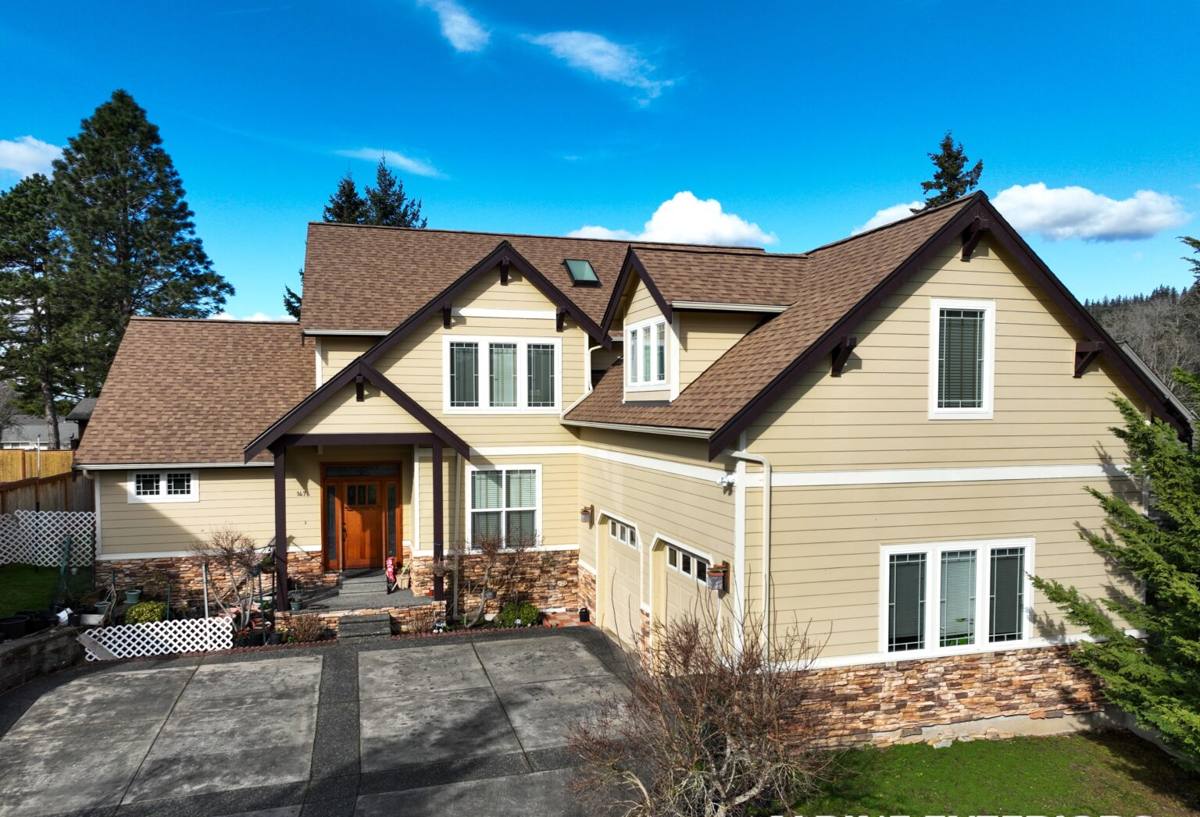
What Bellevue Homes Actually Need From a Deck
Drainage First, Everything Else Second
Driving rain in this region rarely falls straight down — wind pushes it sideways, which means water gets under railings, into end grain, and behind ledger boards more than homeowners expect. A correctly built deck accounts for this with proper slope away from the house, flashing that actually sheds water instead of trapping it, and gaps between boards sized to let water through rather than pool on the surface.
Moss and Algae Management
The long moss season in this part of King County isn't just a cosmetic nuisance — moss and algae hold moisture against the deck surface, which accelerates rot in wood and can make composite surfaces slick and dangerous. Decks with poor airflow underneath, or that sit in heavy shade, need design choices (board spacing, joist venting, surface selection) that reduce how much moss actually takes hold in the first place, rather than relying on the homeowner to pressure-wash it away every spring.
Salt and Marine Air Exposure
Areas closer to the water carry a mild salt content in the air that accelerates corrosion on unprotected fasteners and hardware. It's a smaller factor in Bellevue than it is right on the Sound, but it still argues for corrosion-resistant hardware as a baseline rather than an upgrade — especially on any deck with partial water exposure or proximity to the lake.
What a Correct Deck Build Actually Involves
Structural Foundation
Everything starts below the surface. Footings need to be sized and set to current code depth for this region's frost and soil conditions, and the ledger connection to the house — arguably the single most failure-prone point on any deck — has to be properly flashed and lag-bolted or through-bolted per code, not just nailed on. A huge share of deck failures nationally trace back to a poorly attached ledger board, and it's an easy thing to get wrong if it's rushed.
Framing and Joist Spacing
Joist spacing and beam sizing depend on the decking material you choose, the span, and the load the deck needs to carry — a hot tub, a large gathering area, or heavy planters changes the engineering. Undersized framing is invisible once the boards go down, which is exactly why it matters that it's done right the first time.
Decking Material
This is the choice homeowners spend the most time on, and it should factor in the local climate specifically:
- Pressure-treated wood — lowest upfront cost, but needs regular sealing and cleaning to hold up against this region's wet season; skipping maintenance shortens its life considerably
- Cedar — naturally resists rot and looks warm, but still needs periodic refinishing and isn't immune to moss in shaded, damp spots
- Composite decking — higher upfront cost, minimal maintenance, and generally holds up well against moisture and moss compared to wood, though surface texture and drainage design still matter for slip resistance in wet weather
- PVC decking — fully synthetic, highest moisture resistance, often the best fit for heavily shaded or low-airflow sites where wood-based products struggle
Railings, Fasteners, and Hardware
Hidden fastener systems keep water from pooling in screw heads on the surface. Hardware should be rated for exterior/coastal-adjacent use — stainless or coated corrosion-resistant fasteners rather than standard galvanized in any area with lake or marine air exposure. Railing posts need proper blocking and connection to framing, not just surface-mounted brackets, especially on elevated decks.
Decking Material Comparison
| Material | Upfront Cost | Maintenance | Moisture/Moss Resistance | Typical Lifespan |
|---|---|---|---|---|
| Pressure-Treated Wood | Low | High — annual cleaning/sealing | Fair with upkeep | 10-15 years |
| Cedar | Moderate | Moderate — periodic refinishing | Good naturally, needs care in shade | 15-20 years |
| Composite | Moderate-High | Low — occasional washing | Very good | 25-30 years |
| PVC | High | Very low | Excellent | 25-30+ years |
No single material is universally "best" — it depends on the deck's sun exposure, how much shade and moisture it deals with, and how much upkeep the homeowner actually wants to do. Part of a proper design consultation is walking the site and matching material to conditions rather than defaulting to whatever's cheapest or trendiest.
Design Considerations Specific to This Area
Shade and Airflow
Many Bellevue lots have mature trees and tight side yards that limit sun exposure on part of the deck. Where a deck sits in near-constant shade, we adjust board spacing and substructure venting to keep air moving underneath — that airflow is what actually keeps moss and mildew from taking hold, more than any surface treatment does after the fact.
Multi-Level and Sloped Lots
Bellevue's terrain isn't flat everywhere, and a lot of homes need multi-level decks or decks built over a walkout basement or sloped yard. That adds structural complexity — taller support posts, additional bracing, and stairs that need to meet code for rise and run — but it also opens up better outdoor living layouts when it's designed well.
Covered vs. Open Decks
Given how much of the year sees rain in this region, a partial or full cover is one of the highest-value additions for actual usability — it extends the number of days a year the deck gets used and reduces standing water on the surface. It does add its own drainage and structural considerations, which is why it's worth planning from the start rather than bolting on later.
Our Process for a Bellevue Deck Project
- On-site consultation — we walk the actual lot, check sun/shade patterns, drainage flow, and how the deck will connect to the house
- Design and material selection — layout, railing style, and decking material matched to the site's specific moisture and shade conditions
- Permitting — King County and City of Bellevue permitting requirements vary by project scope; we handle the application and inspection scheduling
- Foundation and framing — footings, ledger attachment, and structural framing built to code, not just to the minimum that passes
- Decking, railing, and finish work — surface installation, hardware, and any lighting or built-in features
- Final walkthrough — we review the completed deck with you and go over any maintenance specific to the material you chose
Why Hiring a Local Bellevue Crew Matters
Deck construction here is governed by local permitting requirements, and a crew that regularly works Bellevue and greater King County already knows what inspectors look for on ledger attachment, footing depth, and guardrail height — details that vary enough by jurisdiction that out-of-area crews sometimes miss them on a first project. Beyond permitting, local experience means knowing which materials actually hold up on this area's shaded, damp lots versus which ones look good in a showroom but struggle here. That's knowledge you build from repeatedly working the same region's homes and weather, not from a generic install.
A Practical Maintenance Checklist
Whatever material you choose, a few habits go a long way toward getting the full lifespan out of a Bellevue deck:
- Clear leaves and debris from between boards regularly, especially in fall
- Check and clean gutters/downspouts near the deck so runoff isn't draining directly onto it
- Inspect the ledger board connection and flashing annually for signs of moisture intrusion
- Address moss with a gentle wash rather than aggressive pressure-washing, which can damage wood fibers or composite surfaces
- Reseal wood decking on the manufacturer-recommended schedule — don't wait until it looks weathered
- Check railing and stair connections for looseness each year, particularly after winter storms
Getting Started
Every lot in Bellevue drains, shades, and sits a little differently, which is why a custom deck built around your specific site holds up better than a one-size-fits-all package. If you're planning a new deck or replacing one that's showing its age, we're happy to come take a look and talk through what makes sense for your home. Use the form below to request a free, no-pressure estimate.