 King County
 Building Decks for Queen Anne's Hillside Homes
Queen Anne sits on one of Seattle's steepest hills, and that geography shapes almost every deck we build here. Lots slope sharply, many homes look out toward Puget Sound or the Ship Canal, and the mix of housing stock ranges from early-1900s craftsman bungalows to newer construction squeezed onto narrow view lots. A deck in this neighborhood isn't just an outdoor platform — it's often the structure that makes a steep or oddly shaped backyard usable at all, and sometimes the only flat outdoor space a home has.
That combination of terrain and exposure to Puget Sound weather means a deck built here has to do more work than one in a flat, sheltered yard elsewhere in King County. Framing, fasteners, and drainage all need to account for conditions that are specific to this part of the city.
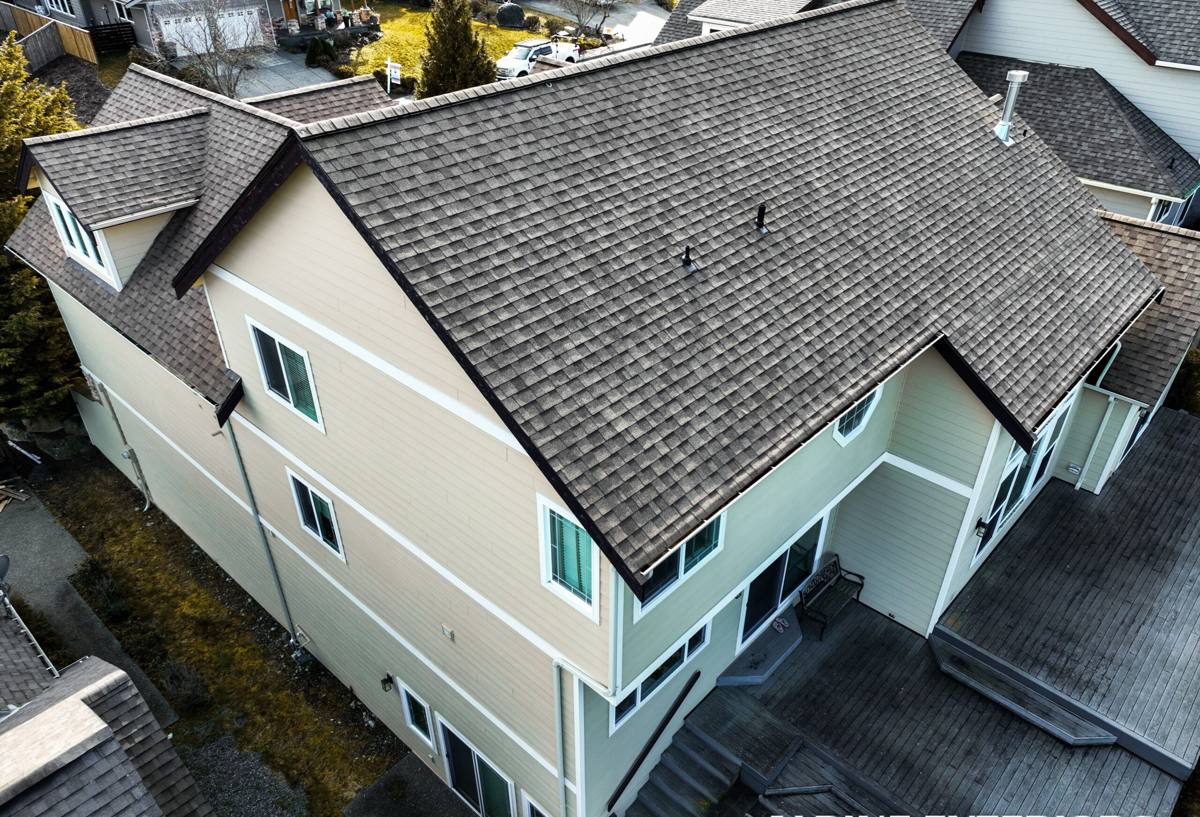
What Puget Sound Weather Does to a Deck Over Time
Queen Anne's elevation and proximity to the water expose decks to a particular combination of salt air, wind-driven rain, and a long, wet moss season that runs longer here than in drier parts of the state. None of these are dramatic in isolation, but over years they add up to the most common deck failures we see.
Salt Air and Metal Fasteners
Homes with a water view or exposure to prevailing wind off the Sound take in a steady, low-level dose of salt-laden moisture. Standard galvanized fasteners and connectors can start corroding years earlier than they would inland. We spec stainless steel or heavy-duty coated hardware rated for coastal exposure on ledger bolts, joist hangers, and structural screws — the parts of a deck that are hardest to inspect once the decking is down, and the most expensive to fix if they fail.
Driving Rain and Ledger Attachment
Where a deck attaches to the house — the ledger board — is the single most important connection on the structure, and it's also where wind-driven rain does the most damage if it's flashed incorrectly. Water pushed sideways by storms off the Sound will find any gap in the flashing and work its way behind the ledger and into the house rim joist. This is the number one cause of rot and structural failure we find on older Seattle decks, and it's almost always a flashing problem, not a wood problem.
Moss Season and Slip Hazards
Queen Anne's tree canopy and long wet season mean moss and algae start forming on horizontal wood surfaces well before winter and can persist into late spring. On decking boards, this isn't just cosmetic — it creates a genuine slip hazard on stairs and landings, and trapped moisture under moss accelerates wood decay. Board spacing, surface texture, and how much shade a deck sits in all affect how fast this happens, and it's worth thinking through at the design stage rather than fighting it every fall.
Decking Material Options for This Climate
There's no single "best" decking material — the right choice depends on how much sun and shade the deck gets, how much upkeep you want to do, and your budget. Here's how the common options actually perform under Queen Anne's conditions:
| Material | Upfront Cost | Maintenance in This Climate | Typical Lifespan |
|---|---|---|---|
| Pressure-treated lumber | Lowest | Annual cleaning and re-sealing to resist moss and moisture; most prone to graying and splintering if neglected | 15–20 years with upkeep |
| Cedar | Moderate | Natural rot resistance, but still needs periodic oiling or sealing; shows moss growth in shaded areas without cleaning | 15–25 years with upkeep |
| Composite decking | Higher | Occasional washing to prevent surface algae; no staining or sealing required | 25–30+ years |
| Capped/PVC decking | Highest | Lowest maintenance; sheds moisture and resists staining and moss buildup best of the group | 30+ years |
For heavily shaded Queen Anne lots — common on the north-facing side of the hill or under mature trees — we lean homeowners toward composite or capped boards precisely because they hold up better against sustained moisture and moss than wood does without constant attention. On sunnier, more open lots, cedar or well-maintained pressure-treated lumber remains a solid, more affordable option.
Structural Considerations for Steep Queen Anne Lots
A large share of the decks we build in this neighborhood are elevated — sometimes significantly — because the lot drops away from the house. That changes the engineering in a few important ways:
- Footing depth and placement have to account for slope stability, not just frost line, which in King County is a relatively shallow requirement but still matters on disturbed or fill soil common on hillside lots.
- Taller decks need engineered guardrail and stair systems, since the consequences of an undersized rail are more serious at eight or ten feet up than at eighteen inches.
- Beam spans and post sizing often need to be pulled up a size from what a flat-lot deck would use, both for wind load and for the added leverage of height.
- Stair runs on steep lots frequently need intermediate landings to meet code and to stay safe and comfortable to use in wet conditions.
None of this is unusual for us — it's the normal condition of building on Queen Anne — but it does mean a deck quote here often looks different from a flat-yard deck quote elsewhere in the county, and for good reason.
Our Deck-Building Process
Every project follows the same sequence, adjusted for the specifics of your lot:
- Site visit and design. We look at slope, sun/shade exposure, existing drainage patterns, and how the deck connects to the house before drawing anything up.
- Engineering and permitting. Framing plans, footing sizes, and guardrail details are worked out to meet current code, and we handle the permit submittal.
- Ledger and flashing installation. This is done first and inspected before we build outward, since it's the connection point most responsible for long-term water damage if rushed.
- Framing. Posts, beams, and joists go in with corrosion-resistant hardware appropriate for the exposure your specific lot gets.
- Decking, stairs, and rails. Final surface material, stair construction, and guardrails are installed and adjusted to fit the finished frame precisely.
- Final inspection and walkthrough. We confirm the permit closes out and walk the finished deck with you before calling the job done.
Permits and Code Requirements
Queen Anne falls under the City of Seattle's building jurisdiction, and most decks attached to a house — or elevated more than a modest height above grade — require a permit and inspection before and after framing. This isn't paperwork for its own sake: it's the mechanism that catches undersized footings, missed flashing, or an under-built guardrail before they become a safety problem. We pull permits as a standard part of every applicable project rather than treating it as optional, and we build to the current code cycle rather than to whatever was acceptable when an older deck on the same street was built decades ago.
Maintenance Checklist for Queen Anne Deck Owners
Whatever material you choose, a little seasonal attention goes a long way in this climate:
- Clear leaves and debris from between boards and off the surface before the wet season sets in, so moisture doesn't sit trapped against the wood.
- Wash down moss and algae buildup at least once a year, more often on shaded sections — a stiff brush and mild cleaner is usually enough.
- Check the ledger flashing and the area where the deck meets the house for any signs of staining or soft wood, which can signal a water intrusion problem starting.
- Inspect fasteners and structural connectors for rust or corrosion, especially on decks with direct exposure toward the water.
- Re-seal or re-stain wood decking on the manufacturer's recommended schedule — skipping a cycle in this climate shows up faster than it would in a drier region.
- Confirm gaps between boards haven't closed up from swelling, which can trap water instead of letting it drain through.
Why Hire a Crew That Already Works Queen Anne
A deck built to a generic spec sheet can still fail here if it doesn't account for this neighborhood's slope, exposure, and weather pattern. Crews who regularly work Queen Anne know which lots need extra attention to footing depth, which sides of the hill see the worst wind-driven rain, and where moss becomes a maintenance headache if the design doesn't account for shade and drainage from the start. That familiarity shows up in fewer surprises during the permit process and in a deck that's built for the conditions it will actually face, not just the conditions on a standard plan set.
If you're planning a new deck or replacing one that's showing its age, we're happy to take a look and talk through what makes sense for your specific lot. Reach out for a free, no-pressure estimate using the form below.