 King County
 Windows Built for Issaquah's Wet, Wooded Climate
Issaquah sits at the base of the Issaquah Alps, tucked in among trees on nearly every side, which means most homes here get less direct sun and a lot more shade and standing moisture than homes out in the open. Add in the marine-influenced air that moves through King County off Puget Sound, months of driving rain, and a moss season that can stretch from fall through spring, and you've got a climate that is genuinely hard on windows — just not in the dramatic way a hailstorm or a hard freeze is hard on them. The damage here is slow: swelling wood sashes, condensation trails on cold glass, sills that never fully dry, and moss creeping into corners that stay shaded and wet for weeks at a time.
A window that performs fine in a drier climate can still fail in Issaquah within a handful of winters if it wasn't chosen and installed with this kind of weather in mind. Custom window work here isn't about chasing the flashiest product on the shelf — it's about matching frame material, glass package, and installation detail to a house that rarely gets a real chance to dry out between storms.
What "Custom" Actually Means for a Window Project
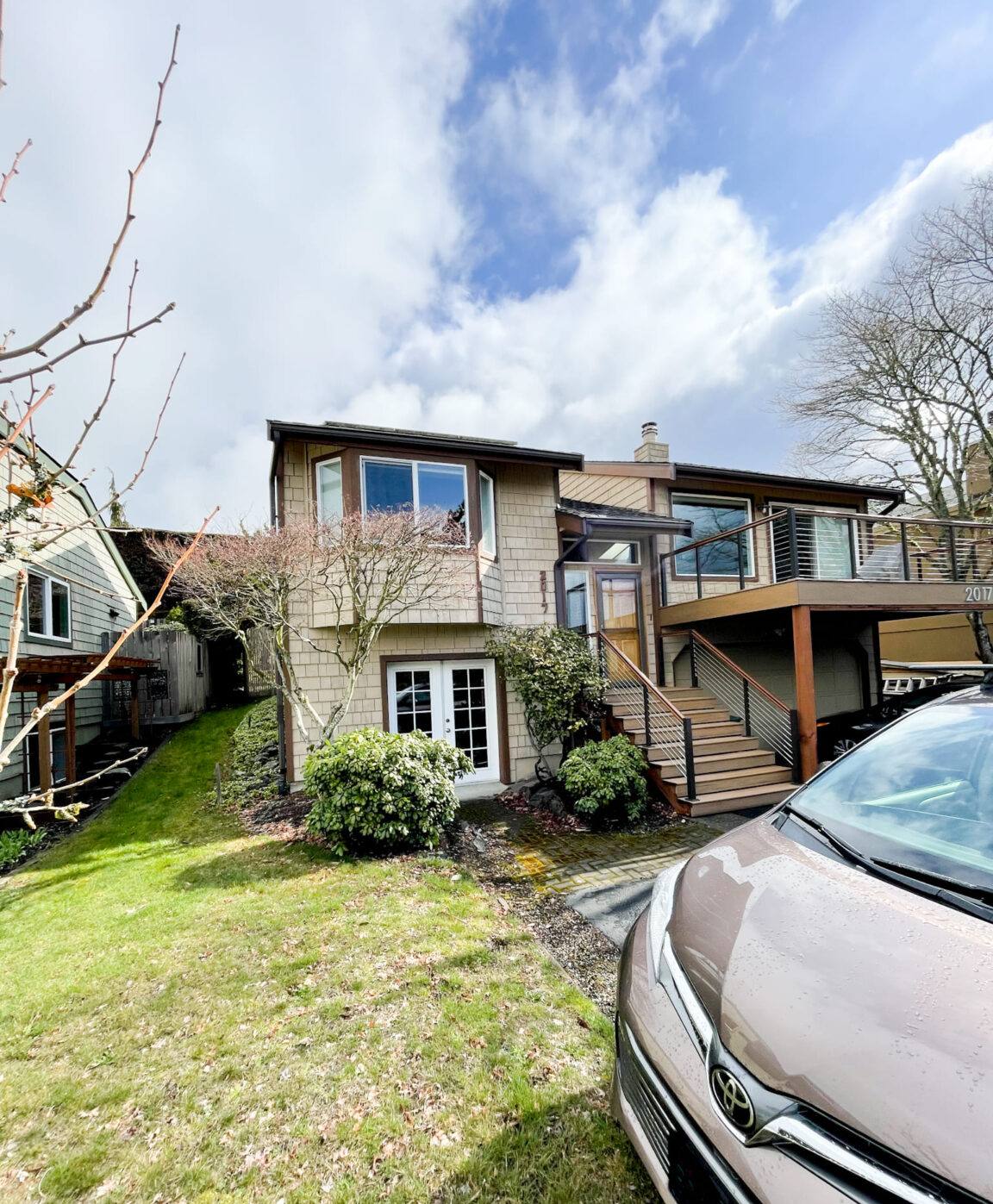
Very few older homes in this area have perfectly standard, off-the-shelf window openings, and even newer construction often has details that call for something other than a stock size ordered out of a catalog. Custom windows means the unit is built or ordered to the exact rough opening on your house, rather than forcing your house to accept whatever size happens to be sitting in a warehouse.
Common Situations We Size and Fit For
Homes around Issaquah range from older, established neighborhoods with settled framing and slightly out-of-square openings, to newer builds in the hillside developments where energy code requirements are stricter and details like flashing and drainage planes are inspected more closely. Both situations call for accurate field measurement rather than assumption. We also regularly handle odd shapes and non-standard configurations — angled tops, oversized picture windows, narrow openings in older additions, and replacement windows that need to match an existing opening exactly so trim and siding don't have to be torn out and rebuilt.
Additions and Style Changes
When a project involves a room addition, a remodel that changes the window layout, or simply upgrading from a smaller, dated window to something larger for more light, the opening itself often needs to be reframed or resized. That's a structural and weatherproofing decision as much as a design one, and it's where a lot of do-it-yourself or lowest-bid installs go wrong — the new window looks right on day one, but the flashing and framing behind it wasn't built for the size or shape actually installed.
Material Options and How They Actually Hold Up Here
There's no single "best" window material — there's a best fit for your house, your budget, and this specific climate. Here's how the common options compare for a wet, shaded, moss-prone environment like Issaquah's.
| Material | Moisture Performance | Maintenance | Typical Cost Tier |
|---|---|---|---|
| Vinyl | Won't rot or corrode; handles constant damp well | Low — occasional cleaning | Lower to mid |
| Fiberglass | Excellent — dimensionally stable in swings of wet and dry | Low | Mid to higher |
| Wood-clad (wood interior, clad exterior) | Good exterior protection, but interior wood is sensitive if seals fail | Moderate — watch interior sills | Higher |
| Aluminum | Prone to condensation and cold-bridging in our winters unless thermally broken | Low, but condensation issues add cleanup | Varies |
We typically steer homeowners toward vinyl or fiberglass for straightforward replacements because both shed moisture well and don't give moss or mildew organic material to take hold in. Wood-clad windows still have a place where the interior look matters most, but we're upfront that they carry a higher maintenance burden in a climate this damp — it's a trade-off in appearance versus upkeep, not a knock on the product.
Glass Packages Worth Paying For
In a climate that's overcast more than it's sunny, priorities shift compared to a hot, dry region. Solar heat gain is less of a concern here than keeping heat in and condensation off the glass. We generally recommend:
- Double-pane, low-E glass as the baseline for any full replacement — the days of single-pane windows are behind us for good reason
- Argon gas fill between panes for better insulating value at a modest added cost
- Triple-pane glass for rooms that run cold, face prevailing weather, or sit against unheated space, where the extra insulating value pays off in comfort
- A good condensation resistance rating, since interior humidity plus cold glass is a year-round reality in this area, not just a winter one
The Installation Details That Actually Prevent Leaks
Most window failures we get called out to inspect aren't glass problems — they're water management problems around the frame. In a climate with this much sustained rain, the installation details matter more than the brand name on the window.
Our Installation Checklist
- Remove old unit and inspect the rough opening framing for hidden rot or prior water damage before anything new goes in
- Install or verify a sloped sill pan so any water that reaches the sill drains outward instead of pooling
- Integrate flashing tape and the window's nailing flange properly with the house's existing weather-resistive barrier, in the correct shingle-lap order
- Set the window plumb, level, and square, then shim and fasten to manufacturer specification
- Seal and insulate the gap around the frame without over-packing it, which can bow the frame and cause it to bind
- Finish exterior trim and caulking so water is shed away from the joint, not channeled into it
Skip or rush any one of these steps and a window can look perfectly installed for a year or two before a leak shows up inside a wall cavity, often far from where the water actually got in. That delayed failure is exactly why installation quality matters more here than in a dry climate, where a minor flashing mistake might never get tested by real weather.
Moss, Algae, and Long-Term Upkeep
Shaded, north-facing walls and windows tucked under eaves or tree canopy are the areas we see moss and green algae film build up fastest. It's rarely a structural problem on its own, but it holds moisture against the frame and sill longer, which accelerates whatever weakness is already there — a hairline gap in caulking, a nick in the finish, a spot where the sealant has started to pull away. Materials that don't give organic growth anything to root into, like vinyl and fiberglass, make this a cosmetic issue rather than a maintenance headache. Wood sills and trim need more regular attention in these conditions — periodic cleaning and prompt resealing of any worn spots go a long way toward keeping small issues from becoming rot.
Energy Performance in a Mild, Overcast Climate
King County's climate is mild compared to much of the country, but it's also consistently damp and often overcast, which changes what "efficient" means for a window here. U-factor — how well the window resists heat loss — matters more day to day than solar heat gain coefficient, since you're rarely fighting excess summer sun the way homes in hotter regions are. A well-chosen window package also cuts down on the cold-glass condensation that shows up on interior sills during long stretches of wet, cold weather, which is as much a comfort and moisture-control issue as an energy one.
Permits and Code Considerations Around Issaquah
Window replacement and resizing projects in and around Issaquah generally fall under King County or City of Issaquah permitting requirements, particularly when the rough opening size is changing, a bedroom's egress window is involved, or the project is tied to a larger remodel. Bedroom windows have minimum size and sill-height requirements for emergency egress, and any change to glazing area can also touch current state energy code requirements for the home. We handle this as a normal part of scoping a project — checking whether a permit applies, what documentation is needed, and making sure the finished work will pass inspection rather than creating a problem at resale.
Why Hiring a Crew That Already Works in Issaquah Matters
Issaquah's housing stock is a genuine mix — older homes in the established, tree-covered neighborhoods near town, and newer construction up in the hillside developments with stricter current energy code. A crew that works this area regularly already knows which older homes tend to have out-of-square openings or hidden moisture damage behind original trim, which newer builds have drainage-plane details that need to be matched carefully, and which products actually hold up against the shade and rainfall pattern typical of this part of King County. That local familiarity means fewer surprises once an opening is actually exposed, and a realistic estimate going in rather than a change order once work has started.
What to Expect From Our Process
We start with an on-site visit to look at your existing windows, take real measurements, and talk through material and glass options based on your budget and how the house sits — sun exposure, shade, and which walls take the worst of the weather. From there we provide a written estimate before any commitment is made. Once a project is approved, custom units are ordered to the exact opening dimensions, which typically involves a lead time of several weeks depending on the manufacturer and glass package chosen. Installation itself is usually a one-day-per-window-or-two process for straightforward replacements, longer for resizing or structural changes, and we handle site cleanup and haul-away of the old units as part of the job.
If you're weighing a full window replacement, a partial upgrade, or just want a straight answer on whether your current windows are actually the problem versus something else going on with the wall around them, we're happy to take a look. Reach out for a free, no-pressure estimate using the form below.