 King County
 Building Decks for Ballard's Marine Climate
Ballard sits close enough to the water that salt air is a real factor in how a deck ages, not just a talking point. Add in the long stretch of driving rain that King County sees most of the year and the moss season that follows it, and you have a climate that is genuinely tough on outdoor structures. A deck built the same way you'd build one in a dry inland climate will show problems in Ballard faster — soft spots in the framing, corroded fasteners, slick moss buildup on the walking surface, and finishes that fail years ahead of schedule.
None of that means a deck in Ballard has to be high-maintenance or short-lived. It means the material choices, the framing details, and the hardware all need to be selected with this specific environment in mind, not a generic checklist. That's the difference between a deck that needs real work every few years and one that just needs normal upkeep.
What Ballard Homes Actually Need From a Deck
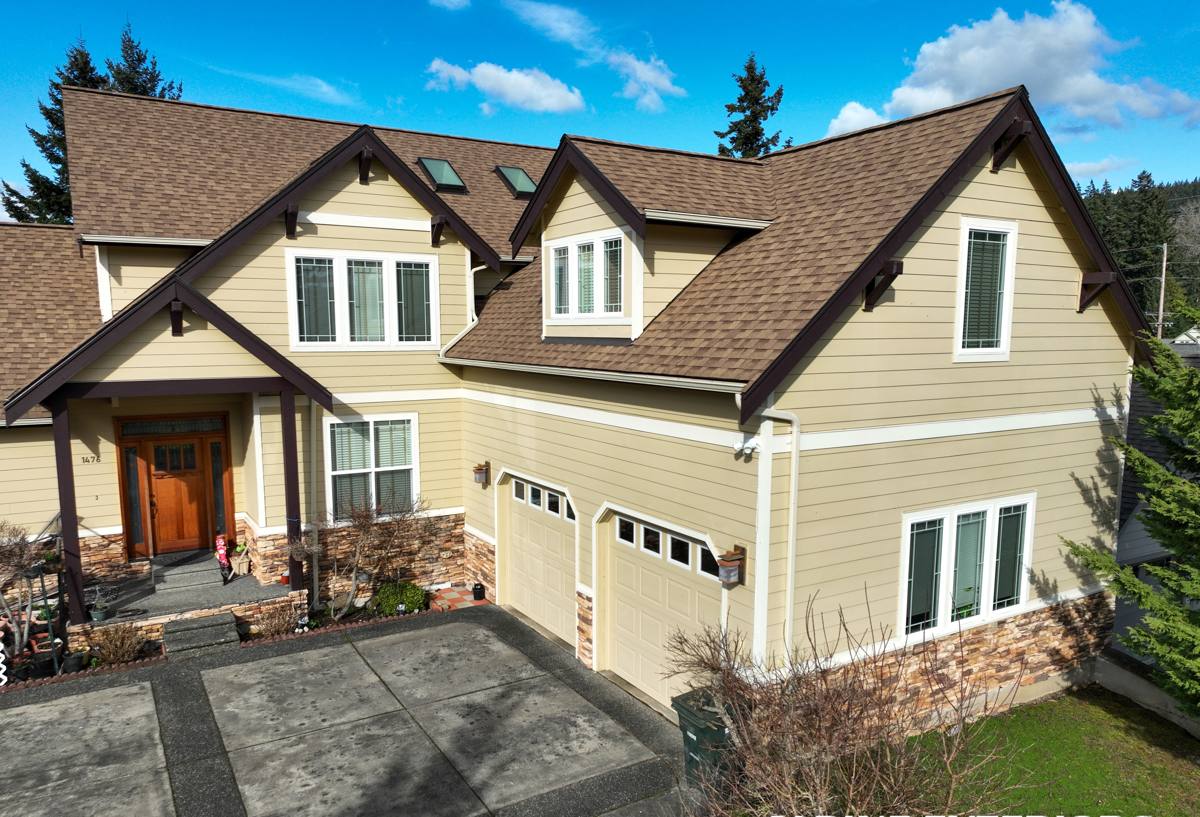
Ballard has a mix of older bungalows and craftsman-style homes alongside newer infill construction, and both types come with their own deck considerations. Older homes often have decks that were added or rebuilt at some point without much thought to drainage or ledger attachment, and those are frequently where we find the worst hidden damage. Newer homes tend to have better bones to build from, but homeowners still need decking and hardware that can handle years of wet weather without constant attention.
Sun exposure matters too. A deck tucked under tree cover or on the north side of a house will hold moisture longer and grow moss faster than one that gets more direct light. That affects which materials make sense and how often the surface will need cleaning, and it's something we look at on-site rather than assuming.
Common Issues We See on Existing Ballard Decks
- Ledger boards attached without proper flashing, letting water track into the house rim joist
- Undersized or rusted fasteners that were never rated for exterior or coastal-adjacent use
- Joists and beams with soft, punky wood from years of trapped moisture
- Moss and algae buildup on boards that were never sealed or that lack any slope for drainage
- Railings and posts that have loosened as wood shrinks and swells through repeated wet-dry cycles
Choosing the Right Decking Material
There's no single "best" decking material for every project — it depends on budget, how much maintenance you're willing to do, and how exposed the deck is to weather. What we won't do is recommend a product just because it's cheaper up front if it's a poor match for a shaded, damp Ballard lot. Here's how the common options actually compare in this climate.
| Material | Performance in Rain & Salt Air | Maintenance | General Cost Position |
|---|---|---|---|
| Pressure-treated wood | Good if properly sealed and maintained; prone to moss without upkeep | Annual cleaning and periodic re-sealing | Lowest upfront cost |
| Cedar | Naturally moisture- and rot-resistant, ages well with care | Regular cleaning and re-staining to hold color and protection | Mid-range |
| Composite decking | Very stable in wet, damp conditions; some boards can still hold surface moss if shaded | Occasional washing, no staining or sealing needed | Higher upfront, lower long-term labor |
| PVC/capped decking | Excellent moisture and salt air resistance | Low — mainly periodic washing | Highest upfront cost |
For homes closer to the water where salt air exposure is heaviest, we generally steer clients away from bare wood species that need frequent sealing, simply because the maintenance burden gets steep fast. That's a practical trade-off, not a knock on wood as a material — it performs fine when it's maintained, but a lot of homeowners underestimate how often "maintained" needs to happen in this climate.
Framing and Structure: Where Decks Actually Fail
The decking boards are what you see, but the framing underneath is what determines how long the deck lasts and whether it's safe. In a wet climate like ours, the framing is almost always the first thing to fail — not the surface boards. We pay close attention to a few details that get skipped on rushed jobs:
Ledger Attachment and Flashing
Where the deck attaches to the house is the single most common failure point we see. Without proper flashing, water gets channeled directly into the house's rim joist, leading to rot that's hidden until it's serious. Correct flashing detail here isn't optional in our process.
Joist and Beam Spacing
Wet climates call for framing that's sized and spaced to handle sustained moisture exposure, not just the minimum span tables for a dry region. We also make sure joists have adequate airflow underneath so wood can dry out between rain events instead of staying saturated.
Post Bases and Ground Contact
Posts set directly in soil or concrete without a proper base connector trap moisture at the point of contact — exactly where you don't want it. Elevated post bases and proper footing depth matter more here than in drier parts of the state.
Hardware and Fasteners for Salt Air Exposure
Standard galvanized fasteners can corrode faster than expected within a few miles of Puget Sound's salt air. We use fasteners and structural hardware rated for coastal or high-moisture exposure — typically stainless steel or heavy-duty coated options — because a deck is only as strong as the connections holding it together, and corroded hardware is a slow, hidden safety issue rather than a cosmetic one.
This is one of the areas where cutting corners doesn't show up right away. A deck can look fine for a couple of years while the fasteners underneath are already degrading. It's worth asking any contractor directly what hardware they're specifying and why.
Permits and Code in King County
Most deck projects that involve structural attachment to the house, elevated framing, or railings require a building permit locally, and inspections typically check ledger attachment, footing depth, and railing height and spacing. Requirements can vary depending on the deck's size and height, so we handle the permit process as part of the job rather than leaving homeowners to sort it out. Skipping this step can create real problems at resale, since an unpermitted structure often has to be disclosed or brought up to code before a sale closes.
Our Deck Building Process
Every deck project follows the same core sequence, adjusted for the specific site and structure:
- On-site evaluation of the existing deck (if replacing one) or the attachment point and site conditions for new construction
- Material and layout discussion based on sun exposure, budget, and maintenance preferences
- Permit drawings and submittal where required
- Demolition of the old structure, if applicable, with attention to what's found underneath
- Framing with moisture-appropriate spacing, flashing, and coastal-rated hardware
- Decking installation with correct fastening and drainage slope
- Railing, stair, and finish work
- Final walkthrough and permit inspection sign-off
Living With a Deck Through Moss Season
Even a well-built deck in this climate needs some seasonal attention. Moss and algae growth is normal on any outdoor wood or composite surface in the Pacific Northwest, especially in shaded areas — it's not a sign of a bad build, it's a sign of the environment. What matters is that the deck was built to shed water properly and that the surface material was chosen with that reality in mind, so cleaning stays a light seasonal task instead of a structural concern.
A simple annual routine — clearing debris from between boards, a seasonal wash before the wet months set in, and a quick check of railings and stairs — goes a long way toward keeping a Ballard deck in good shape year after year.
Why Local Experience Matters
A crew that already works in Ballard and the surrounding King County area knows what this climate does to a deck over time, because we see it on job after job — which ledger details fail, which fasteners hold up, which materials actually perform under this level of rain and salt exposure versus which ones just look good on a spec sheet. That local pattern recognition shapes every recommendation we make, from framing details to material selection, so the deck we build is suited to where it actually sits, not a generic version built to a national average.
If you're planning a new deck or dealing with an aging one showing signs of moisture damage or moss buildup, we're happy to take a look and walk through your options. Reach out for a free, no-pressure estimate using the form below.