 King County
 Building Decks for Mercer Island's Specific Conditions
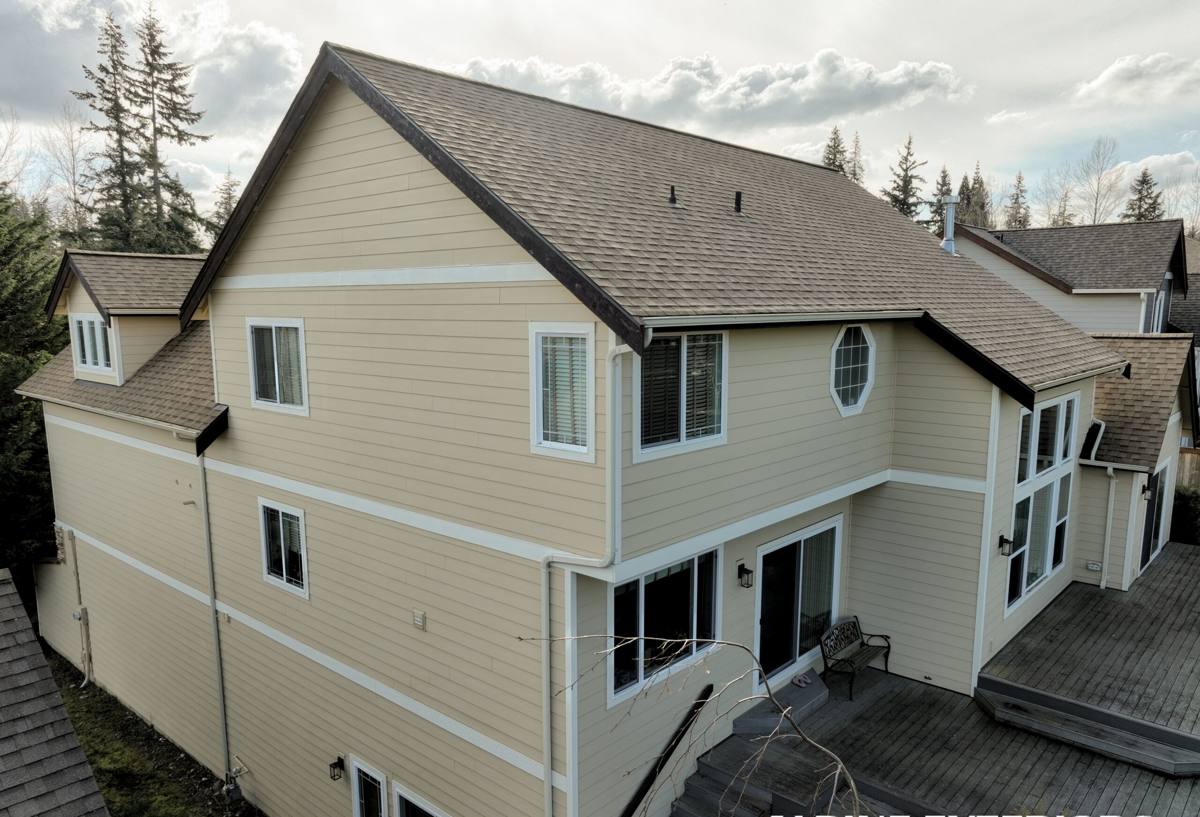
Mercer Island sits in a pocket of King County where lake proximity, marine air moving through the region, and heavy seasonal rain all combine to put real stress on outdoor structures. A deck built here needs to handle more than just weight and weather in the abstract — it needs to shed water fast, resist the slow creep of moss and algae that shows up every fall, and hold its fasteners and connections through repeated wet-dry cycles year after year. We've built and repaired decks across King County long enough to know that a deck designed the same way you'd build one in a dry inland climate will fail here faster than it should, usually starting at the ledger board, the stair stringers, or wherever water is allowed to sit instead of run off.
This page is about deck building specifically for Mercer Island homes — what the local climate demands, what a properly built deck actually involves below the surface, and how we approach the work so it holds up rather than becoming a five-year maintenance headache.
What the Local Climate Does to a Deck
Driving rain and standing moisture
Rain here rarely just falls straight down — wind pushes it sideways into ledger connections, under railing posts, and into any gap where flashing wasn't done correctly. Over time, water that gets behind a ledger board or pools on a poorly sloped surface leads to rot in the framing long before the decking boards themselves look bad. This is the single most common failure point we find when we're called out to look at an older deck on the island.
Moss and algae season
King County's long wet season, combined with shade from mature trees common on Mercer Island lots, creates ideal conditions for moss and algae growth on horizontal wood and composite surfaces. Beyond looking bad, moss holds moisture against the deck surface and makes boards dangerously slick underfoot. A deck built without airflow underneath, or with boards installed too tight together, will hold moisture longer and grow moss faster than one built with proper spacing and ventilation.
Salt and moisture in the air
Being near the water means fasteners, brackets, and any exposed metal hardware are exposed to a more corrosive environment than a typical inland King County property. Standard hardware that might be fine elsewhere can start rusting and staining a deck within a few seasons here if it's not rated for the exposure.
What a Correctly Built Deck Includes
A deck that's going to hold up on Mercer Island isn't about upgrading every material to the most expensive option — it's about getting a handful of details right that most homeowners never see once the project is finished.
- Proper ledger board flashing and waterproofing where the deck attaches to the house, so water is directed away from the wall framing rather than trapped against it
- Corrosion-resistant, code-rated fasteners and structural connectors suited to a marine-influenced, wet climate
- Correct joist spacing and sizing for the actual span and load, not just "what was there before" if this is a rebuild
- Slight, consistent slope away from the house so water sheds instead of pooling
- Adequate gapping between decking boards for drainage and airflow, without gaps so wide they're uncomfortable or unsafe
- Ventilation underneath the deck structure so the framing can dry out between rain events instead of staying damp
- Footings sized and set to local frost and soil conditions, not guessed at
- Railing systems that meet current code height and baluster spacing requirements
Skipping any one of these doesn't necessarily show up on day one. It shows up in year three or four, usually as soft spots near the house, rust streaks down the fascia, or moss that won't go away no matter how often it's power washed.
Decking Material Options and How They Perform Here
There isn't one universally "correct" decking material — it depends on budget, how much upkeep a homeowner wants to take on, and how much sun or shade the deck gets. Here's how the common options actually perform under King County's wet, mossy conditions.
| Material | Moisture & Moss Behavior | Maintenance | Typical Lifespan |
|---|---|---|---|
| Pressure-treated lumber | Absorbs moisture readily; needs good airflow and drainage to avoid trapping water | Periodic cleaning and re-sealing recommended | 15-20 years with upkeep |
| Cedar | Naturally moisture and insect resistant, but still needs airflow to prevent surface moss/algae | Regular cleaning, occasional oil or sealant | 15-25 years with upkeep |
| Composite decking | Doesn't rot or absorb water the way wood does, but can still grow surface algae/moss if shaded and damp | Occasional washing; no sealing or staining needed | 25-30+ years, varies by product warranty |
| PVC/synthetic decking | Fully moisture resistant surface; still requires airflow underneath for the substructure | Low — mostly rinsing | 25-30+ years, varies by product warranty |
We install a range of these depending on what a homeowner is after. Our standard for any of them is the same: the framing and fastening underneath has to be done right, because a premium decking surface on a poorly built substructure is still a poorly built deck — it just looks better for longer before the problems show up.
Our Process for a Mercer Island Deck Project
1. On-site assessment
We look at the site itself — grade, drainage, sun/shade exposure, tree cover, and how the deck will attach to the house. On Mercer Island specifically, we pay close attention to how close the property is to the water and how much shade the lot gets, since both affect material and design decisions.
2. Design and material conversation
We walk through decking material options honestly, including the maintenance trade-offs, so the decision fits the homeowner's budget and how much upkeep they actually want to do — not just what looks best on day one.
3. Permitting
Deck projects on Mercer Island and in King County generally require permits, particularly for anything with structural framing, footings, or elevated railings. We handle the permit process as part of the project so the work is inspected and legitimate, not something that creates a problem when the home is sold later.
4. Demolition or site prep
For a rebuild, we remove the old structure and check the ledger connection and any framing that ties into the house for hidden rot before building new.
5. Framing and structural work
This is where the long-term performance of the deck is actually determined — ledger flashing, joist layout, footing depth, and fastener selection all happen here.
6. Decking, railing, and finish work
Surface material goes on last, along with railings, stairs, and any final trim or lighting.
7. Final walkthrough
We go over the finished deck with the homeowner, including basic care and what to watch for seasonally given the local climate.
Repair, Rebuild, or New Build — How We Decide
Not every deck problem on Mercer Island means starting from scratch. We look at three things before recommending a full rebuild: the condition of the framing and ledger connection, the age and condition of the footings, and whether the existing layout still makes sense for how the space is used. If the bones are sound and the issues are limited to surface boards, railings, or isolated rot, a repair or partial rebuild is usually the more honest recommendation. If the ledger connection has been letting water into the house framing, or the footings are undersized or failing, that's when a full rebuild is the right call — patching around a structural problem just delays it and can let hidden damage to the house continue.
Signs your existing deck needs attention
- Soft, spongy, or bouncy spots when walking across the deck
- Visible gaps, staining, or soft wood where the deck meets the house
- Persistent moss or algae that returns quickly after cleaning
- Rust streaks coming from fasteners or brackets
- Wobbly or loose railings and posts
- Stairs that feel uneven or have visibly shifted
- Standing water that doesn't drain within a short time after rain
Seasonal Care That Actually Matters Here
A well-built deck still needs some seasonal attention in this climate, and most of it is simple. Clearing leaves and debris from between boards and off the surface before the wet season keeps moisture from sitting and speeding up moss growth. A periodic wash — plain water and a stiff brush for most decks, or a gentle cleaner made for the specific decking material — keeps moss from getting established in the first place, which is far easier than removing it once it's taken hold. For wood decks, checking the sealant or stain condition once a year and refreshing it before it visibly fails protects the wood underneath. For any deck, it's worth periodically checking railings and stair connections for looseness, since repeated wet-dry cycles can work fasteners loose over a few seasons even when everything was installed correctly.
Why a Crew That Works Mercer Island Regularly Makes a Difference
Deck building isn't identical everywhere in King County. A crew that's worked drier, more inland parts of the county might not automatically build in the extra drainage, ventilation, and corrosion-resistant hardware that Mercer Island's conditions call for — not because they don't know how, but because it's not the first thing that comes to mind if it's not what they see every week. We build and repair decks across this specific area regularly, which means we already know which details matter most for how long a deck actually needs to last here, and we don't have to relearn that on someone's project.
We're also familiar with the permitting expectations for King County deck projects, which keeps the process moving instead of stalling out on paperwork issues partway through.
Get a Straight Answer on Your Deck Project
Whether you're planning a new deck, replacing an aging one, or just want an honest opinion on whether your current deck needs repair or replacement, we're happy to take a look and walk you through your options. Reach out for a free, no-pressure estimate — we'll tell you what we actually see, not just what's easiest to sell.