 King County
 Queen Anne's Siding Problem Isn't Like the Rest of King County
Queen Anne sits high, and that height is exactly what makes siding wear out faster here than in more sheltered parts of King County. Homes near the top of the hill catch wind off Puget Sound with almost nothing to slow it down, and that wind carries fine salt spray from the water below. Lower down the slope, mature trees and tight lots trap moisture against north- and west-facing walls that barely see direct sun for months at a time. Add in a long, wet moss season that can run from October through April, and you have a neighborhood where siding is asked to do more work than the manufacturer's average-case rating usually accounts for.
We install James Hardie fiber cement siding exclusively, and Queen Anne is a good example of why. This is a page about one service — fiber cement siding — for one place. We're not going to give you generic siding advice; we're going to walk through what actually holds up on this hill and what a correct installation looks like when the job is done right.
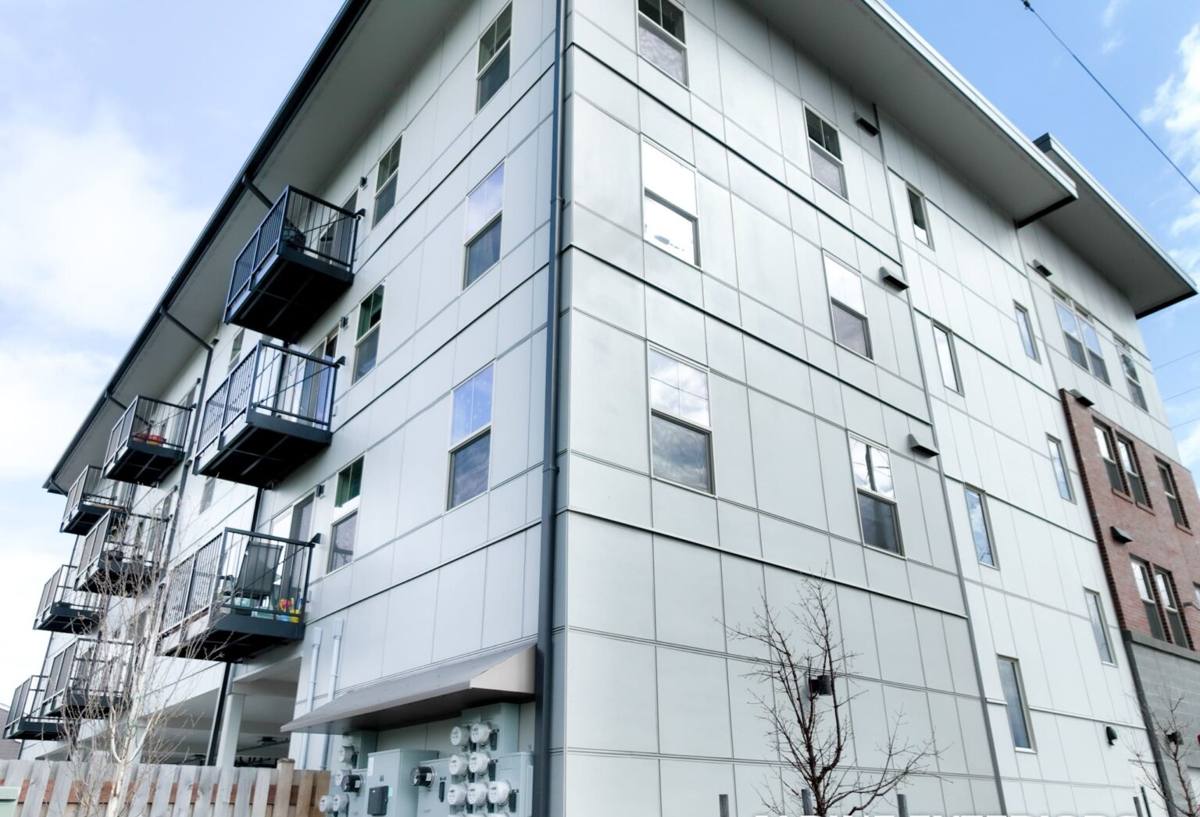
What Salt Air, Driving Rain, and Moss Actually Do to a Wall
Salt air
Salt doesn't just sit on a surface — it's hygroscopic, meaning it pulls moisture out of the air and holds it against whatever it lands on. On siding, that means slightly damp conditions persist longer than they would on a dry day inland, even when it isn't raining. Over years, that constant low-grade moisture accelerates corrosion on fasteners, trim flashing, and any metal components that weren't spec'd for a marine-influenced environment.
Driving rain
Wind-driven rain doesn't fall straight down — it gets pushed sideways into wall assemblies, especially on upper floors and gable ends exposed toward the water. That means the details behind the siding (weather-resistive barrier, flashing at windows and butt joints, proper lap and clearance) matter as much as the siding material itself. A great product installed with sloppy water management will still let moisture in.
Moss
Shaded, damp walls on tree-covered lots grow moss and algae the same way roofs do. Moss holds water against the siding surface long after a storm has passed, which is hard on paint film and, on wood-based products, on the substrate underneath. It's also just an ongoing maintenance headache for the homeowner.
Why We Install James Hardie Fiber Cement Here — and Nothing Else
We don't install vinyl, LP SmartSide, primed spruce, cedar, or other fiber cement brands. That's a deliberate standard, not a sales pitch, and Queen Anne's climate is a big part of why. Fiber cement is non-combustible and dimensionally stable — it doesn't expand and contract with moisture the way wood-based products do, which matters when a wall is cycling between damp shade and salt-laden wind. James Hardie's HZ5 product line is engineered specifically for climates like the Pacific Northwest, with moisture and freeze-thaw performance built into the formulation rather than left entirely to the paint layer.
The factory-applied ColorPlus finish is the other half of the equation. It's baked on under controlled conditions and backed by its own finish warranty, which holds up better against the fading and moss-staining that job-site-painted or bare wood products show first on shaded, salt-exposed walls. We're not going to tell you other products are junk — cedar and engineered wood have real appeal, and vinyl is inexpensive for a reason. But when a product's long-term performance depends on a paint job holding up in exactly the conditions Queen Anne throws at it — salt, driving rain, and shade-grown moss — we'd rather not be the ones installing something we know will need more attention than the homeowner was told to expect.
How the Common Options Actually Compare in This Climate
| Material | Moisture behavior | Maintenance in Queen Anne conditions | Fire rating |
|---|---|---|---|
| James Hardie fiber cement | Dimensionally stable, doesn't swell or rot | Low — factory finish resists moss staining and fading | Non-combustible |
| Cedar / wood siding | Absorbs moisture, prone to swelling and rot at end grain | High — regular refinishing, vulnerable in shaded/damp spots | Combustible |
| LP SmartSide (engineered wood) | Better than raw wood but still wood-based; edges are moisture-sensitive | Moderate — depends heavily on caulking and paint upkeep | Combustible |
| Vinyl | Doesn't rot, but can warp/crack in wind and temperature swings | Low, but limited repair options and can fade | Combustible (melts) |
What a Correct Installation Looks Like on a Hillside Home
The material is only half the job. Queen Anne's steep lots and older housing stock make the installation details more important than they'd be on a flat, newer-build site elsewhere in King County.
- Proper weather-resistive barrier installed and lapped correctly before any siding goes on — this is the layer doing the real work against driving rain.
- Correct flashing at every window, door, and butt joint, shingled so water is always directed outward and down, never trapped behind the panel.
- Manufacturer-specified clearances from grade, roof lines, and decks — Hardie's own installation instructions call for minimum gaps that are easy to shortcut on tight, sloped lots but that prevent wicking moisture at the bottom edge.
- Fasteners and trim hardware rated for coastal/marine exposure, not standard interior-grade hardware that corrodes faster in salt air.
- Caulking used only where Hardie's specifications call for it — over-caulking traps moisture just as often as under-caulking lets it in.
- Careful sequencing on steep or tree-shaded elevations so panels aren't left exposed to rain mid-installation before house wrap and flashing are complete.
Skipping any one of these doesn't show up as a problem in year one. It shows up in year five or six as staining, soft trim, or moisture intrusion at a window — right when a homeowner assumes the siding should still be performing like new.
Our Process for a Queen Anne Job
1. On-site assessment
We walk the exterior and look specifically at exposure: which elevations catch wind off the water, which stay shaded and damp, where moss is already established, and where prior repairs or patch jobs may be hiding water damage underneath.
2. Scope and product selection
We spec the appropriate Hardie product line and profile for the home — lap siding, panel, or trim combinations — based on that exposure assessment, not a one-size-fits-all default.
3. Tear-off and substrate check
Existing siding comes off and we inspect sheathing before anything new goes up. On a hill like this, hidden moisture damage behind old siding is common enough that we don't skip this step to save time.
4. Weather barrier and flashing
This is the step that actually keeps driving rain out, done before the first piece of visible siding is installed.
5. Installation to spec
Fastening, clearances, and joint treatment follow James Hardie's published installation requirements, which is also what keeps the manufacturer's warranty intact.
6. Final walkthrough
We review the finished work with the homeowner, including a plain-language explanation of what maintenance (if any) to expect given the specific exposure of that house.
Why It Matters to Hire a Crew That Already Works This Neighborhood
Queen Anne isn't uniform. A house near the top of the hill facing the water has a different exposure profile than one two blocks over, tucked behind trees on a shaded slope. A crew that's worked the neighborhood repeatedly recognizes those differences on sight — which elevations need extra attention to flashing, where moss will come back if drainage isn't addressed, and how steep driveways and tight lot access affect scaffolding and material staging. That local pattern-recognition is hard to replace with a generic install crew working from a standard checklist, and it's the difference between a siding job that looks right at handoff and one that actually performs for the next 30 years.
Living With Fiber Cement Siding in a Moss-Prone Climate
Even the right product benefits from basic upkeep. A yearly rinse-down removes surface moss and organic buildup before it has a chance to stain the finish. Keeping nearby vegetation trimmed back improves airflow and sun exposure on shaded walls, which slows moss growth at the source. Gutters and downspouts should be checked before the fall rains start, since overflow running down a wall face is one of the most common causes of localized staining and premature wear, regardless of what siding material is installed. None of this is heavy maintenance — it's the kind of seasonal check that keeps a correctly installed Hardie exterior looking and performing the way it's designed to for decades in King County's wet climate.
Get a Straight Answer for Your Home
Every house on this hill wears differently depending on which way it faces and how much shade and salt exposure it gets. If you're weighing a siding replacement in Queen Anne, we're happy to take a look, walk you through what we're seeing, and give you a straightforward, no-pressure estimate — use the form below to get started.