 King County
 What Fremont's Weather Actually Does to a House
Fremont sits low along the Lake Washington Ship Canal, wrapped in mature tree canopy and a mix of older bungalows, craftsman-era homes, and newer infill construction. That combination — shade, moisture, and hilly lots that don't always drain the way a homeowner assumes — puts real, sustained pressure on whatever material is hanging on the exterior walls. Add in the marine air moving up from Puget Sound, driving rain that comes in sideways during a fall or winter system, and a moss season that barely lets up between October and May, and you've got a climate that punishes siding decisions made on price alone.
We install James Hardie fiber cement exclusively, on Fremont homes and throughout King County. This page is about what that specific job looks like here — what the siding needs to do, what a correct installation actually involves, and why the crew doing the work matters as much as the product itself.
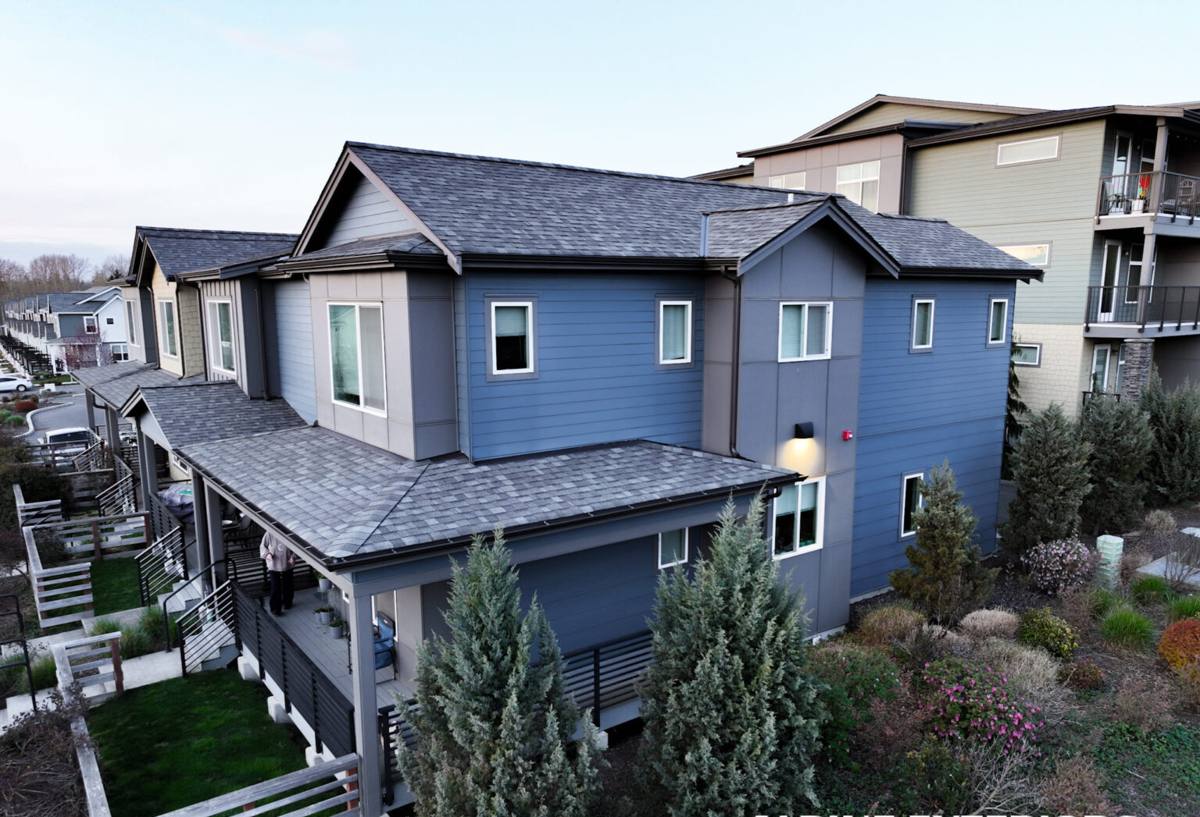
What Fiber Cement Needs to Do on a Fremont Home
Manage Water, Not Just Shed It
Any siding sheds rain in calm weather. The real test is what happens when wind pushes rain sideways into seams, corners, and trim joints — which is a regular event here, not an occasional one. Fiber cement doesn't warp or swell the way wood-based products can when it takes on moisture, but the board is only half the system. The water-resistive barrier, flashing, and drainage plane behind it are what actually keep water from reaching the sheathing, and on a shaded, damp lot those details matter more than the brand name on the box.
Resist Moss and Algae Without Constant Upkeep
North-facing walls and tree-shaded siding — common throughout Fremont's older neighborhoods — rarely get a real dry-out window most of the year. That's exactly the environment moss and algae look for. Fiber cement with a factory-applied finish holds its surface and color better under those conditions than field-painted or bare wood substitutes, which cuts down on how often a wall needs to be washed to stay presentable.
Hold Up to Temperature and Moisture Cycling
Puget Sound's climate doesn't swing to extremes, but it does cycle — damp and cool for long stretches, then a dry summer that pulls moisture back out of building materials. Siding that expands and contracts a lot with each cycle eventually loosens at the fasteners or shows waviness at the seams. Fiber cement is dimensionally stable enough that it isn't fighting that cycle the way some other materials do.
What a Correct Fiber Cement Job Actually Involves
Fiber cement is a forgiving material in the sense that it doesn't rot, but it's an unforgiving material to install poorly — mistakes tend to show up as visible cracking, finish failure, or water intrusion rather than staying hidden. A correct install on a Fremont home includes:
- A continuous water-resistive barrier installed with proper shingle-lap sequencing, not just stapled up and covered
- Correct flashing at every window, door, and roof-to-wall intersection — the single most common failure point we find when we tear off older siding
- Manufacturer-specified clearance from grade, decks, roofing, and other siding to keep the bottom edge of the board from sitting in standing water or splash-back
- Fastener placement and spacing that follows James Hardie's published installation manual, not a generalized "siding is siding" approach
- Properly sized gaps at butt joints and corners, sealed with a compatible sealant rather than caulked tight with no room to move
- Field-cut edges primed or sealed before installation, since a raw cut edge is where moisture can get into the board over time
Why Older Fremont Homes Need Extra Attention
A lot of the housing stock in Fremont predates current building science by decades. When we pull old siding off a craftsman or bungalow in this neighborhood, it's common to find little or no water-resistive barrier, minimal flashing, or sheathing that's already taken on moisture damage over the years. A re-side isn't just swapping the visible layer — it's a chance to correct what's behind it, and skipping that step to save time is how a brand-new install ends up with the same underlying problems five years later.
James Hardie: The Product We Install, and Why
We don't install vinyl, LP SmartSide, or other engineered wood siding — not because those products don't have their place elsewhere, but because we'd rather put our crew's expertise fully behind one system we trust in this climate than spread it thin across several. James Hardie builds fiber cement from cement, sand, and cellulose fiber, pressed and cured into a dense, stable board, and it engineers specific product lines — including HZ5, built for colder, wetter climate zones like ours — for exactly the conditions King County delivers most of the year.
ColorPlus Factory Finish
Most of what we install carries Hardie's ColorPlus finish, a baked-on coating applied under factory conditions no jobsite can replicate. It holds color and resists chipping better than field-applied paint, and it comes with its own finish warranty separate from the substrate warranty on the board.
Non-Combustible
Fiber cement doesn't burn, which has become a more common part of the insurance and building-code conversation across Washington. It's a meaningful difference from materials that soften or deform under heat exposure.
Our Process on a Fremont Project
Assessment and Measurement
We walk the exterior, note wall exposure, shading, drainage issues, and any areas already showing moisture or moss damage, and take accurate measurements so the estimate reflects the actual home rather than a rough guess.
Tear-Off and Sheathing Check
Old siding comes off and we inspect the sheathing and existing water-resistive barrier before anything new goes up. If there's rot or damage, we address it before covering it back up — that's not an upsell, it's the only way the new siding actually performs as designed.
Barrier, Flashing, and Installation
We install the water-resistive barrier and flashing to spec, then install the Hardie boards following the manufacturer's fastening, clearance, and sealant requirements at every seam, corner, and penetration.
Final Walkthrough
We go over the finished work with the homeowner, checking sealant lines, trim details, and finish consistency before calling the job complete.
Cost Factors for a Fremont Fiber Cement Project
| Factor | What Drives the Cost |
|---|---|
| Home size and wall complexity | More corners, dormers, and penetrations mean more cutting, flashing, and labor time |
| Condition of existing sheathing | Rot or moisture damage found during tear-off adds repair scope before new siding goes up |
| Access and lot terrain | Fremont's hillier, tighter lots can slow staging and scaffolding compared to a flat, open lot |
| Siding profile chosen | Lap, panel, and shingle-style Hardie products vary in material and labor cost |
| Finish type | Factory ColorPlus finish typically costs more upfront than field-painted, but reduces repainting frequency |
| Trim and detail work | Craftsman-era trim details common in Fremont take more time to match and install correctly |
Why Hiring a Crew That Already Works Fremont Matters
A siding crew that regularly works this neighborhood already understands its terrain, its older housing stock, and the permitting expectations that come with King County and City of Seattle jurisdiction. That familiarity shows up in small but real ways — knowing to check for outdated barrier systems before quoting a job, planning installation around the wetter months instead of racing a storm, and recognizing when a home's existing trim or drainage details need attention beyond the siding itself. A contractor working the neighborhood for the first time is more likely to miss those details, not because they're careless, but because they haven't seen the pattern before.
Signs Your Current Siding May Already Be Failing
- Soft or spongy spots when you press on the siding, especially near the bottom edge or under windows
- Visible staining, dark streaking, or persistent moss growth that comes back quickly after cleaning
- Cracked, warped, or separated panels, particularly on walls that get direct rain exposure
- Paint that's chalking, peeling, or failing well ahead of schedule
- Gaps opening up at corners, trim, or window and door edges
- A musty smell near exterior walls inside the home, which can point to moisture already behind the siding
Any one of these is worth a closer look before it turns into a sheathing or framing repair rather than a straightforward re-side.
If you're weighing a siding replacement for a home in Fremont, we're glad to take a look, walk the exterior with you, and put together a straightforward, no-pressure estimate for a correctly installed James Hardie system.