 King County
 New Construction in Sammamish Puts Windows Under Real Pressure Before the Home Is Even Finished
Sammamish sits up on a wooded plateau between Lake Sammamish and Lake Washington, and that setting shapes how a new home holds up over time. Heavy tree cover, shaded lots, and a wet season that runs long into spring all put moisture pressure on a house, and windows are one of the first places that pressure shows up if the install isn't done right. When we work on new-construction windows in Sammamish, we're not just setting glass in an opening. We're building the water-management detail that has to work with the wall assembly for the next 20-plus years.
New construction gives you one real advantage over a remodel: the walls are open, the weather-resistive barrier isn't buried under siding yet, and there's no old window to work around. That's also the reason a rushed or careless install at this stage is so hard to forgive later. Once the siding and trim go on, the flashing details underneath are hidden until something fails.
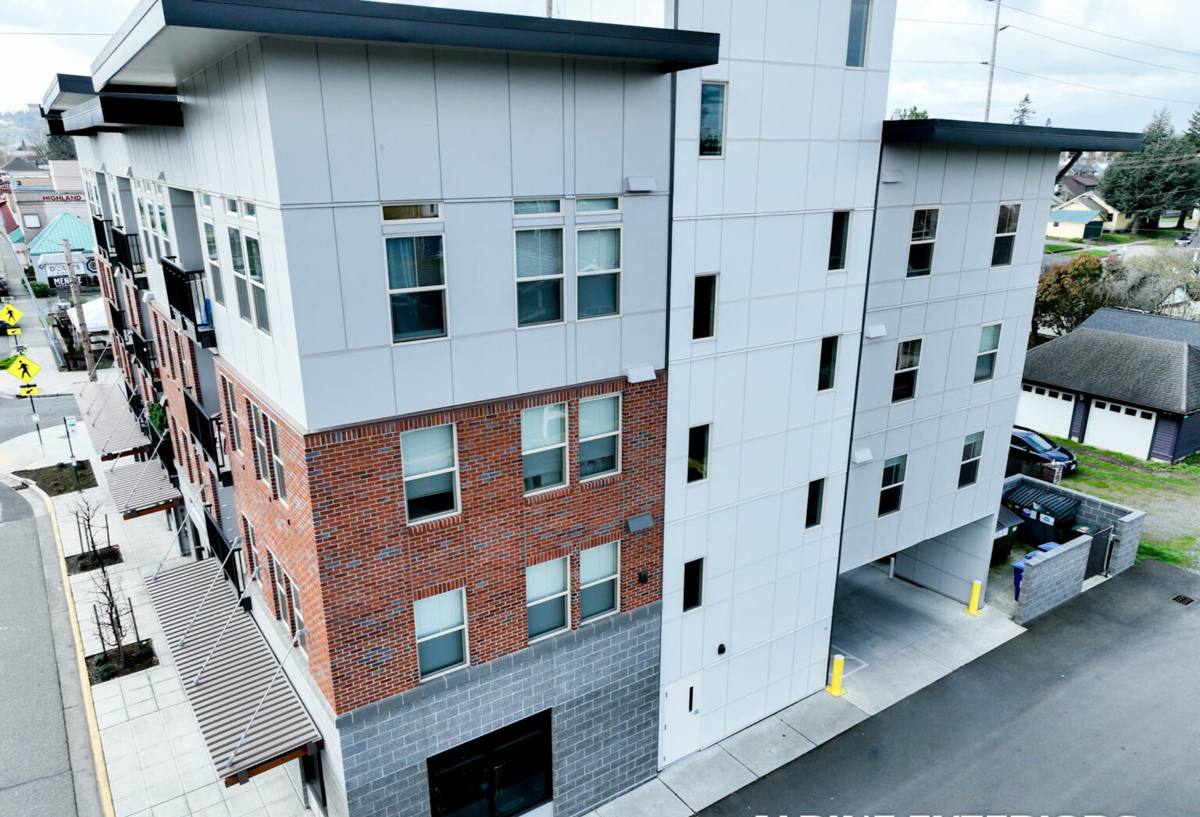
What King County's Climate Asks of a New-Construction Window
Driving rain and wind-driven moisture
Western Washington's rain doesn't just fall, it drives sideways in a lot of storms, especially on exposed elevations and taller new builds. A window that's only watertight when rain falls straight down will eventually leak in this climate. Every rough opening needs a sloped sill pan, properly lapped flashing, and a housewrap integration that sheds water down and out, not into the wall cavity.
Deep shade and a long moss season
Sammamish's tree canopy is part of what makes it a desirable place to build, but shaded siding and trim stay damp far longer after a storm than they would on an open lot. That extended damp period is exactly what moss, algae, and mildew need to take hold on window trim, sills, and nearby siding. A new-construction window install has to account for that from the start: proper drainage gaps, breathable trim details, and sealant choices that won't trap moisture against wood or fiber cement.
Temperature swings and condensation
Plateau lots can run noticeably cooler on winter mornings than the valley floor nearby, and that gap between outside cold and inside heat is what drives interior condensation on a window that isn't performing thermally. The right glass package and a correctly sealed frame keep that moisture on the glass surface, where a homeowner can simply wipe it, instead of letting it migrate into the frame or the surrounding wall.
New Construction vs. Replacement Windows: Why the Approach Is Different
We get asked why a new-construction window job looks so different from a replacement job on an existing house. The short answer is that the window type and the installation method are built around whether the wall is open or already finished.
| Factor | New-Construction Window | Replacement Window |
|---|---|---|
| Frame type | Nail-fin frame, fastened directly to the sheathing | Pocket or insert frame, fits inside the existing frame |
| Access to wall assembly | Open, flashing and weather barrier fully visible and adjustable | Limited, existing trim and siding stay in place |
| Flashing sequence | Sill pan, then window, then housewrap lapped over the fin | Relies on existing flashing that mostly can't be redone |
| Best suited for | New builds, additions, full siding tear-offs | Existing homes keeping current siding and trim |
| Long-term risk if done wrong | Hidden leak paths sealed inside a finished wall | Recurring leaks around the same opening |
On a new build in Sammamish, we always use the full new-construction flashing sequence. There's no reason to compromise on water management when the wall is already open and every layer is still accessible.
What a Correct New-Construction Install Actually Involves
A window that looks fine from the street can still be set up to fail in five or ten years. The parts that matter most are almost all hidden once trim and siding go on:
- A sloped, back-dammed sill pan at every rough opening, not just a bead of sealant on the sheathing
- Housewrap or weather barrier integrated in the correct shingle-lap order, sill first, then jambs, then head, so water always sheds down and out
- Self-adhered flashing tape at the corners and head, lapped over the nailing fin per the window manufacturer's instructions
- Proper shimming so the frame isn't racked or bowed, which affects both smooth operation and long-term seal performance
- Backer rod and a compatible sealant at the interior air seal, not just insulation stuffed into the gap
- Correct fastener type and spacing through the nailing fin, matched to the sheathing and the manufacturer's requirements
- A weep path left clear at the sill so incidental water can still drain even after siding and trim are installed
Skip any one of these steps and the window can still pass a casual look on move-in day, but it's set up for a slow leak that shows up years later as trim rot, staining, or a soft spot in the siding.
Choosing Frame Material and Glass for a Shaded, Wet Site
Sammamish's mix of shaded lots and open plateau exposure means we think about frame material and glass package a little differently than we might on a drier or more sheltered site.
Frame material
Vinyl frames handle this climate well and are the most common choice on new builds. They don't need repainting and won't rot, though quality varies a fair amount between manufacturers. Fiberglass frames cost more up front but resist warping across temperature swings and hold paint well if a custom color is part of the design. Wood and wood-clad windows can look excellent on the right home, but on a shaded, damp lot they demand more upkeep, and we're upfront with builders and homeowners about that maintenance trade-off before it gets specified into the plans.
Glass package
Low-E coatings and argon gas fill are standard on anything we'd recommend for a King County new build. They cut down on heat loss in winter and reduce the condensation risk described above. On lots with more southern or western sun exposure between the trees, a slightly different Low-E coating can help manage solar heat gain; on deeply shaded lots that's less of a concern and the priority shifts back toward straightforward insulating value.
How We Handle New-Construction Window Jobs in Sammamish
Most of our new-construction work here comes through builders and general contractors, and the timing matters just as much as the install itself.
- Rough opening check: we verify every opening is square, correctly sized, and properly sheathed before the windows arrive on site
- Dry-in coordination: windows go in once the weather barrier is on but before siding starts, so flashing can be fully integrated instead of patched around finished trim later
- Full flashing sequence: sill pan, jamb flashing, head flashing, and weather barrier lap, installed in the order that actually sheds water
- Documentation of the hidden work: flashing and sill pan details get documented before they're covered, so there's a record if a question ever comes up down the road
- Final walk-through: operation, seals, and trim fit checked once siding and interior finish work are complete
We coordinate directly with the builder's schedule rather than working around it, since window installation sits right in the middle of the framing-to-siding sequence, and delays there ripple through the rest of the job.
What Affects the Cost of New-Construction Windows
Every new build is different, but the same handful of factors drive most of the cost variation we see on Sammamish jobs.
| Factor | Why It Matters |
|---|---|
| Number and size of openings | More openings and larger units mean more material and labor per house |
| Frame material | Vinyl, fiberglass, and wood-clad carry different material costs and lead times |
| Glass package | Upgraded Low-E coatings, triple-pane, or specialty tints add to the per-unit cost |
| Site access and lot layout | Sammamish's sloped, tree-lined lots can affect staging and material handling |
| Timing in the build schedule | Installing at the correct dry-in stage keeps costs predictable; rework after siding is far more expensive |
We give builders and homeowners a real number tied to the actual window schedule and site conditions, not a rough per-window average that falls apart once you account for custom sizes or upgraded glass.
Why It Matters That We Already Work in Sammamish
A crew that only occasionally works this side of King County tends to treat a Sammamish new build the same as a job anywhere else in the region. We don't. Working this area regularly means we already understand how shaded, tree-lined lots behave differently than open lots just a few miles away, we're used to coordinating with the local permitting and inspection process, and we have working relationships with the same window suppliers and material yards that serve builders in this area. That keeps lead times and material matching predictable on a job that has a schedule to hit.
That local familiarity is what keeps a new-construction window install from becoming a generic, one-size-fits-all job. A flashing detail that works fine in a drier part of the state isn't automatically the right call on a heavily shaded Sammamish lot, and we adjust for that as standard practice, not as an upsell.
Keeping New Windows Performing Through Sammamish's Wet Season
A correctly installed window still needs a little seasonal attention to perform for its full service life, especially on a shaded lot.
- Keep gutters and downspouts clear so roof runoff isn't sheeting down past window heads
- Check that weep holes at the sill stay clear of debris, especially after fall leaf drop
- Rinse moss and algae off nearby trim and siding before it builds up a moisture-holding layer against the window frame
- Watch for soft spots or staining at the sill and jambs each year; catching it early is far cheaper than repairing a hidden leak that's been running for a season
None of this is unique to our work, but it's worth saying plainly: even the best-installed window benefits from a homeowner who understands what a shaded, wet-climate lot asks of it over time.
If you're building new in Sammamish, or you're a builder who needs a window crew that already knows this area, we're glad to walk the plans with you and put together a straightforward, no-pressure estimate. The form below is the easiest way to get started.