 King County
 Why Bothell Roofs Wear Out Faster Than Homeowners Expect
Bothell sits in a part of King County where roofs rarely get a break. The marine air moving through the region carries persistent moisture, the rain here is less about single hard storms and more about weeks of steady, driving wetness, and the tree cover that makes this area attractive also means shade, damp debris, and a moss season that can run most of the year on north-facing slopes. None of that is dramatic on its own. It's the accumulation that gets homeowners — a roof that looked fine at year twelve and is suddenly failing at year sixteen because moisture found a weak point and never dried out.
A roof in this climate isn't just shedding water in a storm. It's managing constant humidity, freeze-thaw cycles on cold winter mornings, wind-driven rain that tests every flashing detail, and organic growth that holds moisture against the shingle or panel surface far longer than dry-climate roofs ever have to deal with. New roof installation here has to account for all of that from the first layer, not just the shingles on top.
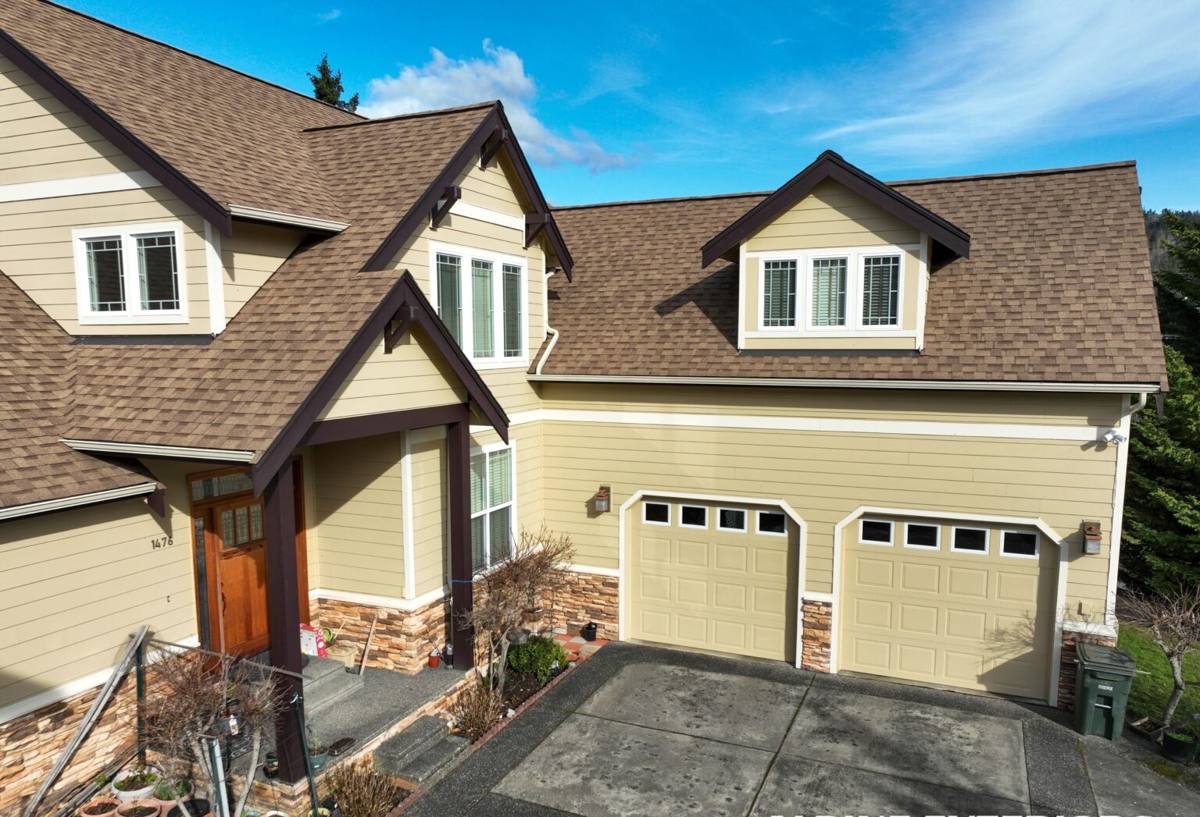
Signs a Repair Won't Cut It Anymore
Not every roofing problem means a full replacement, but there's a point where patching stops being the honest answer. We look for a combination of these signs before recommending a new roof rather than another repair:
- Granule loss heavy enough that shingles look bald or the gutters are consistently full of grit
- Soft or spongy decking felt underfoot during inspection, usually from long-term moisture intrusion
- Moss or algae that keeps returning within a season or two of cleaning, especially on shaded slopes
- Multiple layers of prior roofing already in place, which limits repair options and hides underlying damage
- Flashing that's rusted, lifted, or was never properly integrated with the roofing material to begin with
- Interior staining, attic moisture, or daylight visible through the roof deck
If a roof is showing two or three of these at once, spot repairs usually end up costing more over a few years than doing the job right once.
What a Correct New Roof Installation Actually Involves
A new roof is more than swapping old shingles for new ones. The parts homeowners can't see from the ground are what determine whether the roof performs for its full expected lifespan in a wet climate like this one.
Tear-off and deck inspection
We remove the existing roofing down to the deck rather than installing over it. That's the only way to actually see the plywood or plank sheathing underneath — soft spots, delamination, or old water damage don't show up until the old material is off. Any compromised decking gets replaced before anything new goes down; skipping this step is one of the most common reasons roofs fail early.
Underlayment and water protection
Underlayment is the roof's backup system, and in a climate with this much sustained rain, it matters as much as the visible material. We use synthetic underlayment across the field and self-adhering ice-and-water shield membrane at the vulnerable points — eaves, valleys, around chimneys and skylights, and anywhere water tends to back up or pool. This is what keeps a roof watertight even if wind drives rain up under the shingles or ice forms at the eave on a cold snap.
Flashing
Most roof leaks that show up years later trace back to flashing, not the roofing material itself. Step flashing at walls, counter-flashing at chimneys, and proper valley treatment all have to be installed correctly and integrated with the underlayment — not just caulked and hoped for. We replace flashing as part of a new roof rather than reusing old pieces.
Ventilation
A roof that can't breathe traps moisture in the attic, which shows up as mold, premature deck rot, and shortened shingle life from the underside. Balanced intake and exhaust ventilation is part of a correct installation here, not an upgrade — it's one of the biggest factors in how long a roof actually lasts in a humid climate.
Choosing a Roofing Material for This Climate
There's no single "best" roofing material — the right choice depends on the home, the roof's pitch and shading, and what the homeowner wants to manage over time. Here's how the common options compare for a property dealing with sustained moisture and moss pressure:
| Material | Typical Lifespan | Moss/Moisture Behavior | Maintenance Load |
|---|---|---|---|
| Architectural asphalt shingle | 25-30 years | Good with proper ventilation; algae-resistant granule options help on shaded slopes | Low to moderate; periodic moss treatment on shaded areas |
| Standing seam metal | 40-50+ years | Sheds water and dries fast; naturally resistant to moss growth | Low; occasional fastener and sealant checks |
| Composite/synthetic shingle | 30-40 years | Good moisture resistance; performance varies by product line | Low to moderate |
| Cedar shake | 20-30 years with upkeep | Attractive but holds moisture; needs active moss and rot management | High; regular treatment and inspection required |
We're honest with homeowners about trade-offs rather than pushing one product. Cedar has real appeal, but it demands consistent upkeep in a climate this wet, and we'll say so upfront rather than let a homeowner find out the hard way. Metal costs more at installation but asks the least of you afterward. Asphalt remains the most common choice because it balances upfront cost, appearance options, and performance well when the ventilation and underlayment underneath it are done correctly.
Our New Roof Installation Process
- On-site inspection. We walk the roof, check the attic for ventilation and moisture issues, and assess decking condition before quoting anything.
- Written scope and material selection. You get a clear breakdown of what's being replaced, what underlayment and flashing package is included, and material options for your budget and roof style.
- Scheduling around the weather. We plan tear-off days around dry windows and keep the roof protected if conditions shift mid-project — an open deck doesn't sit exposed overnight in this climate.
- Tear-off and deck repair. Old material comes off, decking is inspected and repaired as needed, and the substrate is confirmed sound before anything new goes on.
- Underlayment, flashing, and material installation. Each layer goes down in the correct order and is inspected before the next one covers it.
- Ventilation check and final walkthrough. We confirm intake and exhaust airflow is balanced, then walk the finished roof and site cleanup with the homeowner.
Permits, Codes, and Working Within King County
Reroofing in this area typically requires a permit, and requirements can vary depending on whether the property falls under Bothell's own jurisdiction or unincorporated King County, since Bothell's boundaries span more than one county line. Wind exposure, snow load, and fire-rating requirements for roofing materials are all part of what a permit review checks. A crew that pulls permits regularly in this area knows what inspectors are looking for and builds it into the job from the start, instead of discovering a problem at final inspection.
Moss, Moisture, and Long-Term Roof Health
Moss isn't just a cosmetic issue — where it grows thick, it holds water against the roofing surface, lifts shingle edges, and accelerates granule loss. A new roof installation is the right time to address the conditions that let moss take hold in the first place: trimming back overhanging branches where possible, confirming gutters and downspouts move water away from the roof efficiently, and, where the situation calls for it, installing zinc or copper strips near the ridge that help discourage regrowth over time. None of this eliminates the need for occasional roof cleaning, but it substantially reduces how often it's needed.
Why a Local Bothell Crew Makes a Real Difference
Roofing crews that work primarily in this part of King County build a working knowledge of things that don't show up in a manufacturer's install guide — which slopes in this area hold shade and moss longest, how local permitting offices review reroofing applications, and how to sequence a tear-off around a wet forecast instead of gambling on it. That local familiarity translates into fewer surprises during the job and a roof that's built for the conditions it will actually face, not a generic install pulled from a national playbook.
It also means accountability. A crew that plans to keep working in Bothell has every reason to install the roof correctly the first time and stand behind it afterward, rather than moving on to the next region.
Questions Worth Asking Before You Sign
- Is the tear-off, decking inspection, and disposal included in the written quote, or billed separately if issues are found?
- What underlayment and ice-and-water shield are being used, and where specifically will it be installed?
- Will flashing be replaced or reused, and who is responsible if a flashing-related leak shows up later?
- Is attic ventilation being assessed and addressed as part of the job, not just the visible roofing?
- What's the manufacturer's warranty versus the installer's workmanship warranty, and what does each actually cover?
- Is the contractor licensed and insured to work in King County, and can they provide proof directly?
If a homeowner in Bothell is weighing repair versus replacement, or just wants a straight answer on what condition their roof is really in, we're happy to take a look. The estimate is free, there's no pressure attached to it, and you'll get a clear explanation of what we find — use the form below to get started.