 King County
 A roof in Seattle works harder than it looks. It's not battling hail or blistering heat most of the year — it's dealing with months of steady, low-intensity rain, salt-tinged air drifting off Puget Sound, and long stretches of shade and dampness that let moss and algae take hold. None of that is dramatic on its own, but stacked together over years, it's exactly the kind of slow wear that catches homeowners off guard. A new roof installed the right way accounts for all of it from the start, not as an afterthought.
Why Seattle Roofs Wear Differently
Most roofing systems are engineered assuming they'll dry out between storms. In much of King County, that assumption doesn't hold for long stretches of the year. Shingles, underlayment, and flashing stay damp longer, moss gets a foothold on shaded and north-facing slopes, and organic growth can work its way under shingle tabs and lift them over time. Add in salt-laden air near the water and you get faster corrosion on exposed metal — fasteners, flashing, and vents — than the same materials would see further inland.
None of this means Seattle roofs fail faster across the board. It means the details that get overlooked elsewhere — ventilation, flashing quality, fastener corrosion resistance, underlayment choice — matter more here, not less.
What Actually Shortens a Roof's Life Here
- Moss and algae holding moisture against the roof deck for months at a time
- Undersized or blocked attic ventilation trapping humid air against the underside of the sheathing
- Standard fasteners and flashing corroding faster in salt-influenced air near the Sound
- Valleys and eaves that weren't detailed for sustained, heavy rainfall rather than short downpours
- Overhanging trees keeping sections of the roof shaded and slow to dry
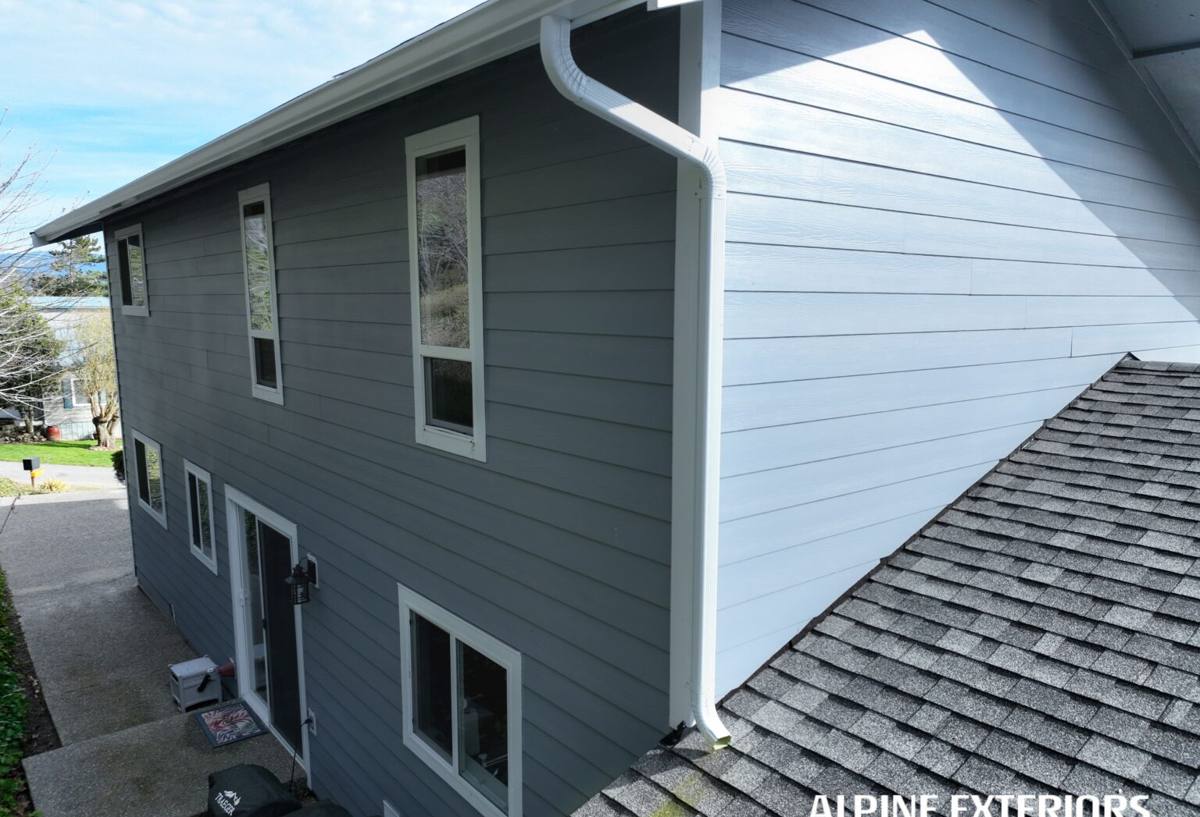
What a Correct New Roof Installation Involves
A roof replacement is more than swapping old shingles for new ones. Done right, it's a full system: deck inspection and repair, proper underlayment, correctly detailed flashing, adequate ventilation, and a material chosen to suit the specific house — its slope, its exposure, and how much shade and moisture it deals with.
Deck and Structure First
Before anything goes down, the roof deck gets inspected for soft spots, delamination, or rot — issues that are common on older Seattle homes where a leak went unnoticed for a while, or where ventilation has been poor for years. Any damaged sheathing gets replaced before new roofing goes on top of it. Installing new shingles over a compromised deck just hides the problem and shortens the life of everything above it.
Underlayment and Water Protection
Given how much of the year King County spends under rain, underlayment isn't a place to cut corners. Synthetic underlayment holds up better than old-style felt under sustained moisture, and self-adhering ice-and-water membrane belongs at eaves, valleys, and any roof-to-wall transition — the spots where water concentrates and standard shingle coverage alone isn't enough backup.
Flashing That's Actually Sealed
Flashing around chimneys, skylights, dormers, and sidewalls is where most roof leaks actually start — not out in the open field of shingles. Correct installation means new, properly lapped flashing tied into the underlayment correctly, not old flashing reused or caulk used as a substitute for proper metal work.
Ventilation
Balanced intake and exhaust ventilation keeps the attic closer to outside temperature and humidity, which reduces condensation on the underside of the deck and slows the conditions moss and mildew need to grow. On older Seattle homes, ventilation was often an afterthought when the roof was first built — a replacement is the natural point to correct it.
Choosing the Right Material for King County Weather
There's no single "best" roofing material — the right choice depends on the home's slope, its exposure to shade and moisture, and the homeowner's tolerance for maintenance. Here's how the common options actually compare for this climate.
| Material | How It Handles Our Rain and Moss | Maintenance | Typical Lifespan |
|---|---|---|---|
| Architectural asphalt shingles | Good, especially with algae-resistant granules; needs proper ventilation to avoid moss buildup on shaded slopes | Low to moderate — periodic moss/debris removal | 25–30 years |
| Standing seam metal | Sheds water and moss well due to smooth, steep-shedding surface; performs well near salt air with correct fastener and coating specs | Low | 40–50+ years |
| Cedar shake | Traditional look, but organic material is more prone to moss and rot retention in our climate without diligent upkeep | High — regular treatment and cleaning | 20–30 years with upkeep |
| Synthetic composite shingles | Resists moisture absorption better than wood; performance varies by manufacturer | Low to moderate | 30–50 years (product-dependent) |
For most Seattle homes, algae-resistant architectural asphalt shingles offer the best balance of cost, appearance, and performance. Metal roofing earns its higher upfront cost on steeper or heavily shaded roofs where moss is a persistent problem. We'll walk through the trade-offs for your specific roof rather than push one product across the board.
Moss, Algae, and Ventilation — Getting Ahead of It
Moss on a Seattle roof isn't a sign of a bad roof — it's a sign of shade, moisture, and time, and it shows up on well-installed roofs too if a section stays damp long enough. The goal isn't to promise a roof that never grows moss; it's to build in the things that slow it down and keep it from causing damage: adequate ventilation, algae-resistant shingles where appropriate, and roof lines detailed so water and debris don't sit in one place.
What Homeowners Can Do Between Roofs
- Keep gutters clear so water isn't backing up under the roof edge
- Trim back overhanging branches to let more light and airflow reach shaded slopes
- Remove moss gently — with low-pressure methods, not aggressive pressure washing that can strip granules
- Have ventilation checked if moss keeps returning heavily on the same section year after year
Our New Roof Installation Process
The process is straightforward, and we walk homeowners through each stage so there are no surprises.
1. On-Site Assessment
We inspect the existing roof, deck condition, ventilation, and any trouble spots — valleys, chimneys, skylights — before recommending anything. This tells us what's actually needed rather than guessing from the ground.
2. Material and Scope Discussion
We go over material options suited to the home's slope and exposure, explain the honest trade-offs of each, and put together a scope that covers the full system — deck, underlayment, flashing, ventilation, and finish material — not just shingles.
3. Permitting
Roof replacements in Seattle and King County typically require a permit through the local jurisdiction. We handle that paperwork as part of the job so it isn't left for the homeowner to sort out.
4. Tear-Off and Deck Repair
Old roofing comes off down to the deck so we can actually see what's underneath, rather than layering over unknown conditions. Any damaged sheathing is replaced before moving forward.
5. Installation
Underlayment, ice-and-water membrane at vulnerable areas, flashing, ventilation components, and the finish roofing material go on in sequence, following manufacturer specifications so warranties stay valid.
6. Cleanup and Walkthrough
The site is cleared of debris and nails, and we walk the finished roof with the homeowner to review the work before calling the job done.
Permits, Codes, and Working Locally
Seattle and King County jurisdictions have their own permitting requirements and inspection processes for roof replacement, and requirements can differ slightly between the city and surrounding unincorporated areas. A crew that regularly works in this specific area already knows which inspections apply, what documentation is expected, and how to avoid delays that catch out-of-area contractors off guard. That familiarity saves homeowners time and prevents costly rework.
What to Expect: Timeline and Disruption
Most residential roof replacements in this area take one to a few days of active work, weather permitting — Seattle's rain windows sometimes mean scheduling around forecasts rather than a fixed calendar date. Here's a general checklist of what a homeowner should expect during the project:
- A scheduled start date with a plan for weather delays, since dry working conditions matter for a proper install
- Protection for landscaping, driveways, and siding near the work area
- Noise and activity during work hours, with the property secured at the end of each day
- A magnetic sweep and cleanup for nails and debris once tear-off and installation are complete
- A final walkthrough before the job is considered finished
Why a Local Crew Matters
Roofing crews who work Seattle and King County regularly aren't guessing at how this climate treats a roof — they're accounting for it in the underlayment they choose, the flashing details they insist on, and the ventilation they check before recommending anything. That local experience shows up in fewer callbacks and a roof that's actually built for the conditions it will sit under for decades, not just a generic install dropped into a rainy city.
If you're weighing a new roof for your Seattle home, we're happy to take a look and give you a straight assessment — no pressure, no upsell, just an honest read on what your roof actually needs. Use the form below to request a free estimate.