 King County
 Why Siding Choice Matters in Rainier Valley
Rainier Valley homes sit in one of Seattle's older, established neighborhoods, with a housing stock that spans decades of different building styles and siding materials. Whatever era a home was built in, the exterior cladding is doing the same job year-round: keeping moisture out, holding paint or factory finish through repeated wet-dry cycles, and standing up to the shaded, tree-lined lots that are common throughout this part of King County. Siding here isn't just cosmetic. It's the first line of defense against a climate that stays damp for long stretches of the year and doesn't give a home much time to fully dry out between storms.
That's the backdrop for every siding conversation we have with Rainier Valley homeowners: what does this material actually do when it's cold, wet, and shaded for months at a stretch, and how does it hold up when that pattern repeats every single year.
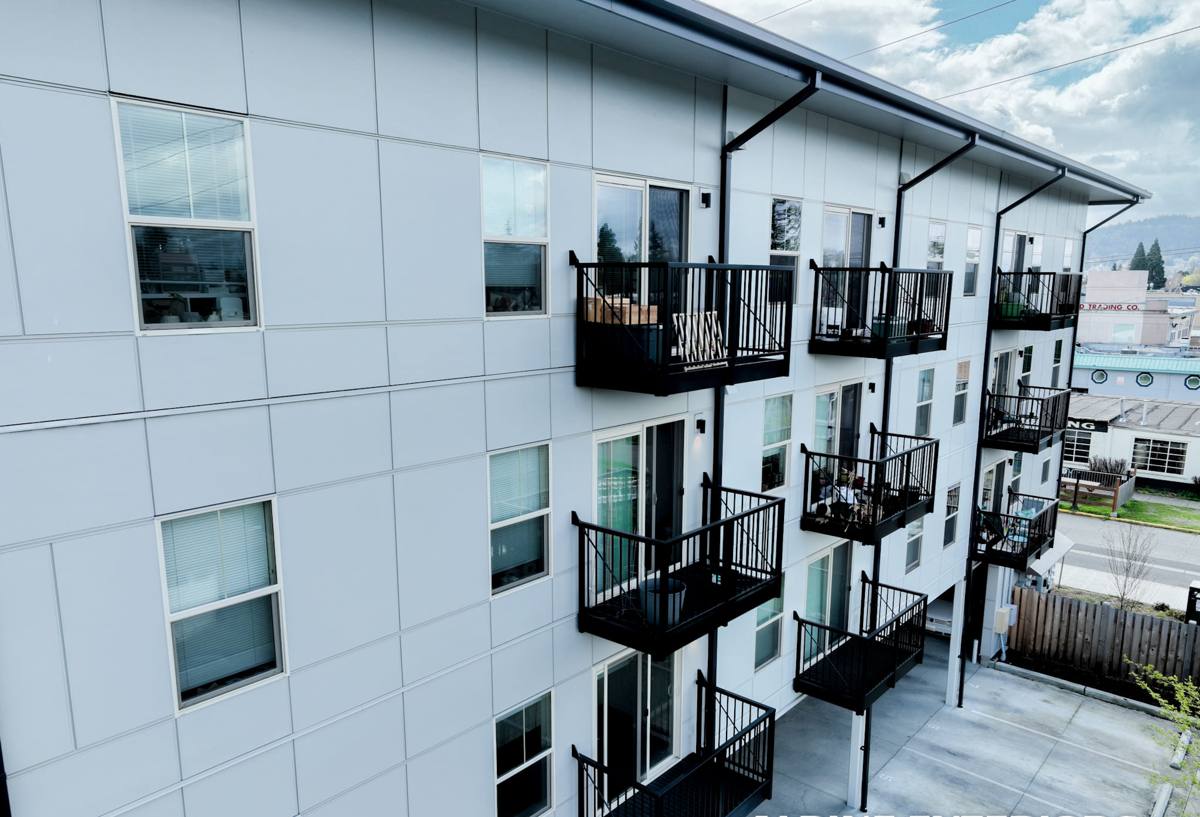
What King County's Climate Does to Exterior Siding
The Puget Sound region's weather pattern is straightforward but unforgiving on the wrong siding material: long stretches of driving rain, humid air carried in off the Sound, and a moss and mildew season that can run for much of the year on shaded or north-facing walls. Add in the salt-tinged air that moves through the broader region and you get a combination that punishes anything that isn't dimensionally stable or properly sealed.
A few specific things happen to siding in this environment:
- Wood-based products absorb moisture at butt joints and cut edges, leading to swelling, cupping, and eventual rot if not perfectly maintained.
- Shaded north- and east-facing walls stay damp longer, giving moss, algae, and mildew more time to take hold between cleanings.
- Repeated wet-to-dry cycling stresses paint film and caulk joints, which is why repainting intervals on lower-grade siding tend to shrink in this climate.
- Any siding with weak seams or poor water management channels moisture behind the cladding instead of off of it, which is where hidden sheathing damage starts.
None of this is unique to Rainier Valley — it's a King County-wide reality — but it's exactly why the material and installation details matter more here than in a drier climate.
Why We Install James Hardie Fiber Cement Only
We standardized on James Hardie fiber cement siding for every job we do, including here in Rainier Valley, and we don't install vinyl, LP SmartSide, primed wood, or other fiber cement brands. That's not a marketing position — it's a practical one based on what holds up under repeated Pacific Northwest wet seasons.
Fiber cement is a mix of cement, sand, and cellulose fibers, engineered to be dimensionally stable in a way that wood products aren't. It doesn't swell and shrink the way wood does when it cycles between saturated and dry, which matters directly in a climate where that cycle repeats constantly. James Hardie's HZ5 product line is engineered specifically for climates like ours, with moisture and freeze-thaw performance built into the formulation rather than added on after the fact.
The ColorPlus factory finish is also a meaningful difference in this climate. It's baked on in a controlled environment rather than field-applied, which means better adhesion and a finish that holds color and resists the chalking and fading that field-applied paint is more prone to under years of damp, low-light conditions. And because fiber cement is non-combustible, it removes wildfire ember exposure as a variable entirely — a consideration more homeowners in the broader region are weighing every year.
None of this means other materials don't have their place. Vinyl is inexpensive and low-maintenance in the right setting. LP SmartSide and other engineered wood products have improved over the years. But we've made the professional call that fiber cement — installed correctly — gives Rainier Valley homeowners the best long-term combination of moisture performance, finish durability, and low maintenance for what this specific climate throws at a house.
What a Correct Fiber Cement Installation Involves
Fiber cement siding is only as good as the installation behind it. A huge share of the siding failures we get called out to inspect in King County trace back to installation shortcuts, not the material itself. In a climate this wet, the details around water management are what actually determine whether siding lasts.
Water Management Comes First
Before a single piece of siding goes up, the wall needs a proper weather-resistive barrier, correctly lapped and sealed, with rainscreen or drainage space where the wall assembly calls for it. This gap lets any moisture that does get behind the siding drain and dry out instead of sitting against the sheathing. Skipping this step is one of the most common corners cut in the industry, and it's invisible once the siding is up — which is exactly why it matters who's doing the work.
Flashing and Trim Details
Every window, door, and horizontal trim transition is a potential water entry point. Correct flashing — head flashing above openings, proper kick-out flashing at roof-wall intersections, and sealed trim joints — is what keeps water moving down and out instead of finding its way behind the cladding. On a shaded, moss-prone lot, a single missed flashing detail can turn into hidden rot years before it's visible from the outside.
Fastening and Clearances
James Hardie has specific fastening patterns, nail placement, and gap requirements between siding and other surfaces (roofing, decks, grade) that are engineered for exactly this kind of climate. Panels installed too tight to trim, or fastened incorrectly, lose their ability to expand and contract properly and can trap moisture at the joints.
Caulking and Joint Treatment
Butt joints and trim transitions need the right sealant, applied correctly, not just as a cosmetic finish step. In a climate with this much sustained rain, joint treatment is a functional part of the water management system, not an afterthought.
Our Process for Rainier Valley Siding Jobs
| Step | What Happens |
|---|---|
| Assessment | On-site inspection of existing siding, sheathing condition where accessible, moisture problem areas, and shaded/high-exposure walls |
| Product & Color Plan | Selection of James Hardie product line and ColorPlus finish suited to the home's exposure and style |
| Prep & Water Management | Removal of old siding, sheathing repair as needed, correct weather barrier and drainage plane installation |
| Installation | Fastening, flashing, and joint work done to manufacturer spec, with attention to shaded and high-moisture wall sections |
| Final Walkthrough | Review of finished work, trim details, and care guidance specific to the home's exposure |
Why a Crew That Already Works This Area Matters
Rainier Valley's mix of home ages and lot conditions means every job has its own quirks — different original construction quality, different amounts of tree cover, different wall exposures to prevailing weather. A crew that regularly works siding jobs throughout King County has already seen how these variables play out over multiple wet seasons, not just at installation. That experience shows up in small decisions: where to add extra flashing attention, which walls need closer inspection before covering them up, and how to sequence work around a rainy-season schedule without compromising the installation.
It also matters for accountability. A local crew is reachable if a question comes up two or five years down the road, and understands the realities of scheduling exterior work in a region where dry, workable stretches aren't unlimited.
Signs Your Current Siding May Be Struggling
- Persistent moss or algae growth that returns quickly after cleaning, especially on shaded walls
- Soft spots, bubbling, or visible swelling, particularly near the bottom courses or around windows
- Paint that's peeling, chalking heavily, or needing repainting far more often than expected
- Visible gaps, warping, or separation at butt joints and trim
- A musty smell or interior moisture signs on exterior-facing walls
Any of these can indicate the siding is no longer managing water the way it should, and it's worth having someone take a look before the problem moves from the siding into the wall assembly behind it.
Maintenance Expectations Going Forward
One of the practical advantages of James Hardie fiber cement in this climate is how little ongoing maintenance it asks for compared to wood-based alternatives. It doesn't need repainting on the same schedule wood does, and it isn't prone to the swelling and rot that drive most premature siding replacements in wet climates. Homeowners should still expect to periodically rinse off moss and pollen buildup, especially on shaded sides of the house, and to have caulking and trim checked every few years as part of normal upkeep. That's a manageable routine compared to what wood or lower-grade products typically demand in a climate that stays damp as much of the year as ours does.
Getting Started
If your Rainier Valley home's siding is aging, showing moisture damage, or you're simply planning ahead for a replacement, we're glad to take a look and give you a straightforward assessment of what's going on and what it would take to do the job right. There's no pressure and no obligation — just fill out the form below for a free estimate.