 King County
 Siding That Actually Matches Redmond's Weather
Redmond sits in the part of King County where marine-influenced weather, heavy tree cover, and long stretches of wet, low-light months all combine to put real stress on the outside of a house. Homes here deal with driving rain that comes in sideways during fall and winter storms, salt-tinged air that drifts in off the Sound and settles into low-lying areas, and a moss and algae season that can stretch for most of the year on shaded, north-facing walls. Siding on a Redmond home isn't decorative — it's the first line of defense against moisture intrusion, and it has to keep doing that job for decades without babysitting.
This page is specifically about James Hardie fiber cement siding installed on homes in and around Redmond. We're not going to give you a generic rundown of siding materials — we only install James Hardie, and this is what that looks like in practice for a house in this climate.
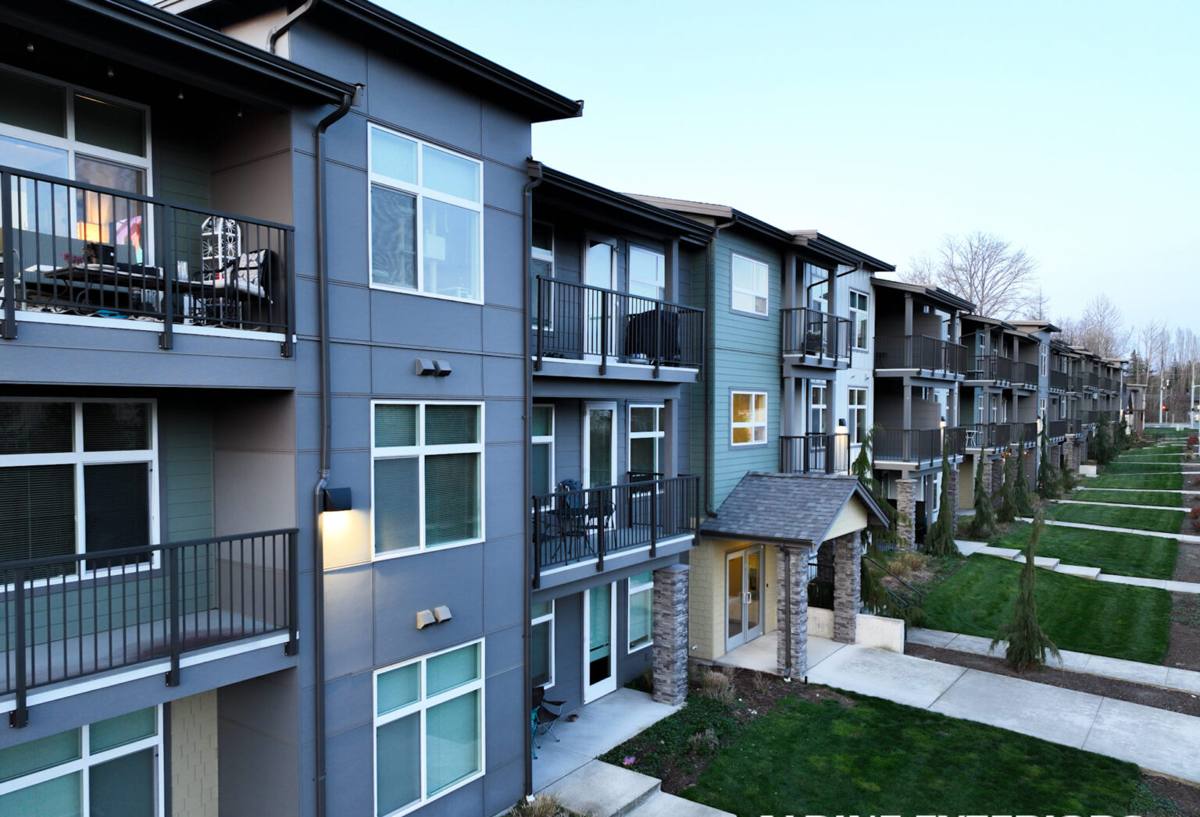
What Redmond's Climate Actually Does to a House Exterior
Moisture That Doesn't Let Up
Western Washington doesn't get intense single storms as much as it gets months of sustained dampness. Siding materials that rely on paint film or a factory coating alone to keep water out tend to show their weak points here — swelling at seams, soft spots at the bottom courses, or paint failure around nail heads — because the wall assembly behind the siding rarely gets a real chance to dry out between rain events.
Moss, Algae, and Shade
Mature trees and long shadows are part of what makes Redmond neighborhoods attractive, but they also mean siding on north and east elevations can stay damp for days after a storm passes. That's exactly the environment moss and algae need. Over time, organic growth on a wood-based or poorly finished surface holds moisture against the substrate and accelerates rot, even if the siding still looks fine from the street.
Salt Air and Corrosion
Redmond isn't waterfront, but Puget Sound's marine air pattern carries salt-tinged moisture well inland across King County, especially with the prevailing weather flow. That air interacts with fasteners, flashing, and any exposed metal on a home's exterior, which is why the hardware behind the siding matters just as much as the siding material itself.
Wind-Driven Rain
During fall and winter storm systems, rain doesn't just fall straight down — it gets pushed sideways into wall assemblies, particularly on exposed gable ends and upper stories. If flashing, seams, and butt joints aren't detailed correctly, wind-driven rain finds those gaps.
Why James Hardie Fits This Climate
James Hardie fiber cement siding is engineered specifically for climate zones like ours. The HZ5 product line is formulated for the Pacific Northwest's freeze-thaw cycles and sustained moisture exposure, and fiber cement itself doesn't absorb water the way wood-based products do, which means it doesn't swell, cup, or rot from prolonged dampness the same way.
The factory-applied ColorPlus finish is also a meaningful advantage in a climate like Redmond's. Because the color and protective coating are baked on in a controlled factory environment rather than field-applied, the finish holds up more consistently against UV, moisture cycling, and the kind of algae growth that plagues shaded walls. It also means touch-up and repainting aren't a recurring maintenance item the way they are with site-finished materials.
Fiber cement is also non-combustible, which matters increasingly across King County as wildfire smoke seasons and ember exposure become a bigger part of regional building conversations, even in areas that aren't classified as high wildfire risk.
What a Correct James Hardie Installation Involves
Hardie siding is only as good as the installation behind it. The material is engineered to perform, but a rushed or generic install can undercut all of that engineering. On every Redmond project, a correct installation includes:
- A drainage plane and rain screen gap behind the siding so any moisture that gets past the surface can drain and dry instead of sitting against the wall sheathing
- Correct fastener type, spacing, and penetration depth per Hardie's published installation specifications — not generic siding nailing patterns
- Properly lapped and sealed weather-resistive barrier and flashing at every window, door, and roofline penetration
- Minimum clearance from grade, decks, and roof lines so siding isn't sitting in a moisture trap
- Factory-mitered or properly caulked butt joints, using sealants rated for the product and climate
- Correct starter strip and Z-flashing at horizontal transitions to prevent water from tracking behind the plane
Every one of those details is inspectable, and every one of them is where a shortcut on a wet-climate job eventually shows up as a callback.
How Our Process Works on a Redmond Home
| Step | What Happens | Why It Matters Here |
|---|---|---|
| Site walk & assessment | We inspect current siding, trim, flashing, and any moisture or rot damage before quoting | Redmond's damp exposure means hidden sheathing damage is common behind older siding |
| Tear-off & sheathing check | Old siding removed, wall sheathing inspected and repaired as needed | You can't install a correct rain screen over compromised sheathing |
| Weather barrier & rain screen | New drainage plane and furring installed per Hardie spec | Gives wind-driven rain and condensation a way to drain and dry |
| Flashing & trim detail | Windows, doors, and roof intersections flashed and sealed | These are the highest-failure points in a sideways-rain climate |
| Hardie installation | Panels or lap siding installed to manufacturer fastening and spacing specs | Correct fastening is what makes the HZ5 warranty valid |
| Final walkthrough | Joint sealing, caulking, and cleanup reviewed with the homeowner | Confirms the wall assembly is sealed before the next storm system |
Why We Only Install James Hardie
We made the decision to install James Hardie exclusively and not offer vinyl, LP SmartSide, primed spruce, cedar, or other fiber cement alternatives. That's not a marketing position — it's a maintenance and moisture-performance conclusion after years of working on King County homes in exactly the conditions Redmond deals with. Vinyl can warp and fade under UV and doesn't hold paint if a color change is ever wanted. Wood-based and engineered wood products need consistent maintenance to keep water out of their edges and cut ends, which is a hard promise to keep in a climate this wet for this long. James Hardie's fiber cement composition, factory finish, and HZ5 engineering line up with what this specific climate demands, and it comes with a strong transferable warranty when installed to spec — which is the other half of why installation quality matters so much.
Cost Factors for a Redmond Hardie Project
| Factor | How It Affects the Job |
|---|---|
| Tear-off scope | Removing multiple existing layers or damaged sheathing adds labor and repair costs |
| Home size & complexity | Cut-up elevations, multiple gables, and dormers increase trim and flashing work |
| Siding profile | Lap siding, panel systems, and shingle-style Hardie products carry different material and labor costs |
| Trim & accessory package | Corner boards, window trim, and soffit work are often bundled into a full exterior job |
| Access & site conditions | Steep lots, mature landscaping, and limited access common in established Redmond neighborhoods can affect staging and labor time |
We don't quote off square footage alone — every estimate is based on an actual walk of the home, because the flashing and prep work often matter more to the final price than the siding material itself.
Maintenance: What Ownership Looks Like After Install
One of the practical benefits of switching to James Hardie in a climate like this is how little ongoing maintenance it asks for compared to wood-based siding. Still, a few habits keep any siding system performing at its best over the long run:
- Rinse siding periodically, especially shaded north- and east-facing walls prone to moss and algae buildup
- Keep gutters clear so overflow doesn't run down and pool against siding or trim
- Trim back vegetation and tree limbs that hold moisture against the wall or restrict airflow
- Inspect caulking at joints and trim every year or two and re-seal if it's cracking or pulling away
- Watch for any staining or soft spots near grade level, which can signal a drainage issue behind the siding rather than a siding failure itself
Why a Locally Experienced Crew Matters
Installation quality is the single biggest variable in how well siding performs over 20 or 30 years, and installation quality is shaped by whether a crew actually understands the conditions they're building for. A crew that regularly works Redmond and the surrounding King County communities knows how local wall assemblies are typically built, what kind of moisture exposure to expect on shaded lots, and how to detail flashing for the wind-driven rain patterns this area sees every fall and winter. That familiarity shows up in the details — rain screen execution, flashing sequencing, fastener choice — that don't show up on a spec sheet but absolutely show up in how the siding performs a decade later.
Signs Your Current Siding Is Due for Replacement
Not every Redmond home needs full replacement immediately, but a few signs are worth taking seriously before they turn into structural repair costs:
- Soft or spongy spots when pressed, especially near the bottom courses or below windows
- Persistent moss or algae staining that returns quickly after cleaning
- Peeling or bubbling paint, particularly on wood or wood-composite siding
- Visible gaps, warping, or separation at seams and corners
- Rising energy bills that may point to compromised insulation behind failing siding
If you're seeing any of these, it's worth having someone look at what's happening behind the siding, not just the surface.
If you're planning a siding project in Redmond, we're happy to walk the home, look at what's actually going on with your current exterior, and put together a straightforward, no-pressure estimate for a James Hardie installation built for this climate. Use the form below to get started.