 King County
 Composite Decking Built for Renton's Weather, Not Against It
Renton sits in a part of King County where a deck spends most of the year damp. Long stretches of driving rain, a moss season that can run from fall through spring, and enough humidity in the air to keep wood surfaces from ever fully drying out — all of it adds up to conditions that punish decking materials that aren't suited for the job. Composite decking, installed correctly, holds up to that pattern far better than untreated or minimally treated wood, but "composite" isn't a magic word. The board, the substructure underneath it, and the way it's fastened down all matter just as much as the material itself.
This page covers what we actually do when we build or replace a composite deck for a home in Renton — what the climate demands, what a correct installation looks like, and what to expect from us if you're considering it.
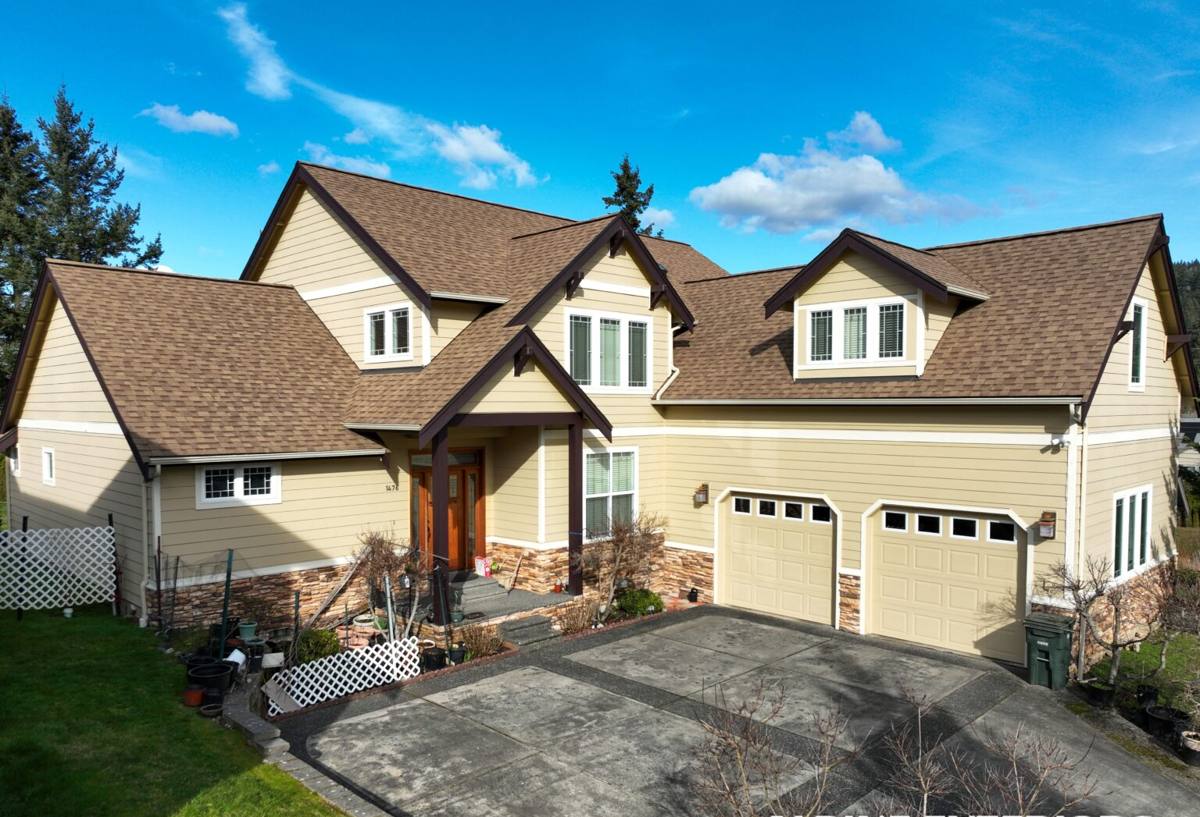
What Renton's Climate Actually Does to a Deck
King County's marine climate is mild compared to a lot of the country, but mild doesn't mean easy on decking. A few specific things happen here that matter for anyone weighing decking materials:
Moss and Algae Season
Shaded decks, decks under tree canopy, and decks on the north or east side of a house stay damp long enough for moss and algae to take hold — sometimes for months at a stretch. On wood, that moisture gets pulled into the grain and held there, which is exactly the environment that leads to soft spots and rot over a few seasons. Composite boards don't absorb water into a fiber structure the way wood does, so moss and algae stay on the surface where they can be washed off instead of taking root in the material.
Driving Rain and Standing Water
Rain here doesn't just fall straight down — wind-driven rain gets up under railings, into fastener holes, and along the edges of boards where they meet the house. If a deck's substructure doesn't drain and dry between storms, water sits against joists and ledger boards far longer than most homeowners realize, because the surface boards look dry while the framing underneath stays wet.
Freeze-Thaw Cycling
Renton doesn't get brutal winters, but it does get enough freeze-thaw swings each year to be a factor. Water that's trapped in a crack, a fastener hole, or a poorly sealed seam expands when it freezes and works that damage wider every cycle. This is a slower, quieter failure mode than rot, and it's one reason we pay close attention to how boards are cut, fastened, and sealed at the ends.
Composite vs. Other Decking Materials for This Climate
There's no single right answer for every home, but here's how the common options actually compare for a Renton-area deck, weighed honestly rather than by marketing claims.
| Material | Moisture Behavior | Maintenance | Typical Lifespan Here |
|---|---|---|---|
| Composite decking | Doesn't absorb water into the board; resists rot and splintering | Periodic washing; no staining or sealing | 25–30+ years with proper install |
| Pressure-treated wood | Absorbs moisture readily; prone to warping and checking in wet cycles | Annual or biennial cleaning, staining, sealing | 10–15 years before major repairs |
| Cedar | Naturally moderate rot resistance but still absorbs water | Regular sealing to maintain resistance and color | 15–20 years with diligent upkeep |
| PVC/vinyl decking | Fully water-resistant surface | Low; can show scratches more visibly | 25–30 years |
For a climate like ours, the trade-off usually comes down to upfront cost versus long-term maintenance labor. Wood costs less to install but asks for real annual upkeep to survive the wet season. Composite costs more up front and effectively removes that maintenance burden, which is why it's become the more common choice for homeowners who want to actually use their deck rather than maintain it.
What a Correct Composite Deck Installation Involves
The composite board itself gets most of the attention, but most of the problems we get called to fix on other people's composite decks trace back to the structure underneath, not the boards on top.
Substructure and Joist Spacing
Composite boards flex differently than wood and generally require tighter joist spacing than a traditional wood deck — following the manufacturer's spec here isn't optional if you want the warranty to hold and the deck to stay flat over time. We also use joist tape or an equivalent moisture barrier on top of the framing, which is cheap insurance against the driving rain this area gets.
Drainage and Airflow Underneath
A deck that can't breathe underneath will stay damp long after a storm passes, and that dampness works on the fasteners and framing even if the composite boards above never show a sign of it. We plan for airflow and drainage at the design stage, not as an afterthought, especially on lower decks close to grade or decks that sit over a patio or living space.
Ledger Board Flashing
Where the deck attaches to the house is the single most common failure point on any deck, wood or composite. Correct flashing at the ledger board keeps water from running behind the siding and into the wall assembly — this is a place where cutting corners doesn't show up as a problem for a year or two, and then shows up as a serious one.
Fastening Method
Hidden fastener clip systems give a cleaner look and avoid the exposed screw holes where water and freeze-thaw cycling can do the most damage over time. We use the fastening method specified for the board being installed, matched to the manufacturer's requirements, so the warranty stays intact.
Our Process, Start to Finish
- On-site assessment: We look at the existing structure (if there is one), grade, drainage, sun/shade exposure, and how the new deck will attach to the house.
- Design and material selection: We walk through board options, colors, and railing systems suited to the space and your budget.
- Written estimate: A clear, itemized quote — no vague allowances that turn into surprise add-ons later.
- Permitting: We handle the local permit process where required, so the deck is built to code and inspected properly.
- Demolition and framing: Old decking removed if applicable; new substructure built to spec, including proper flashing and moisture barriers.
- Composite installation: Boards, fascia, and railing installed per manufacturer requirements.
- Final walkthrough: We go over the finished deck with you before calling the job done.
Choosing the Right Board for a Renton Deck
Not every composite board is built the same way, and the differences matter more here than they would in a dry climate. Capped composite boards — where the core is wrapped in a protective outer layer — handle King County's wet-and-humid pattern noticeably better than uncapped boards, which can absorb more moisture at cut ends and are more prone to surface fading and staining over time. Color matters too: darker boards run hotter in direct summer sun and can show mineral deposits or water spotting differently than lighter tones. We'll talk through these trade-offs against how much sun and shade your specific deck actually gets, rather than just pointing you at whatever's popular.
Maintaining a Composite Deck in This Climate
Composite decking is genuinely lower-maintenance than wood, but "low-maintenance" isn't "no-maintenance," especially with the moss and algae pressure this region puts on outdoor surfaces. A simple seasonal routine keeps a composite deck looking and performing the way it should:
- Sweep debris off regularly, especially fallen leaves and needles that trap moisture against the board surface
- Wash the deck with a soft-bristle brush and mild soap and water a couple of times a year, more often in shaded or heavily wooded areas
- Rinse off pollen, tree sap, and organic buildup before it has a chance to stain
- Check railing posts and fastener points once a year for any movement or looseness
- Keep gutters and downspouts near the deck clear so runoff isn't dumping extra water onto the surface
- Avoid pressure washers on the highest settings, which can etch or damage the board's protective cap layer
Why It Matters That We Already Work in Renton
A crew that works around King County regularly knows how local grade, drainage patterns, and moss exposure tend to play out on decks in this area, and that shapes decisions we make before the first board goes down — joist spacing, drainage planning, and where extra flashing attention is worth it. We're also familiar with the local permitting process, which keeps the project moving instead of stalling out on paperwork. None of that replaces a proper on-site look at your specific deck, but it does mean fewer surprises along the way.
If you're weighing a new composite deck or replacing an aging wood one, we're happy to come take a look and walk you through honest options for your home. There's no pressure and no obligation — just a straight assessment of what your deck needs and what it would cost to do it right. Use the form below to request a free estimate.