 King County
 Renton's Climate Is Harder on Windows Than People Think
Renton sits in the same marine-influenced weather system that defines most of King County: long stretches of driving rain, salt-tinged air moving in off Puget Sound, and a moss season that can run for months when the sun barely shows. None of that is dramatic on any single day, but it's relentless, and windows take the brunt of it. Frames absorb moisture cycle after cycle, seals get worked by temperature swings between damp mornings and warmer afternoons, and anything with a horizontal sill becomes a landing spot for algae and moss spores looking for a shaded, wet surface to grow on.
Most homeowners don't notice the damage until it shows up as a draft, a foggy pane, or soft wood at the corner of a sill. By then, the window has usually been losing the fight for a few years. Custom window replacement done right in this climate isn't about picking a nice-looking window — it's about choosing materials and details that are built to hold up against exactly this kind of weather, year after year.
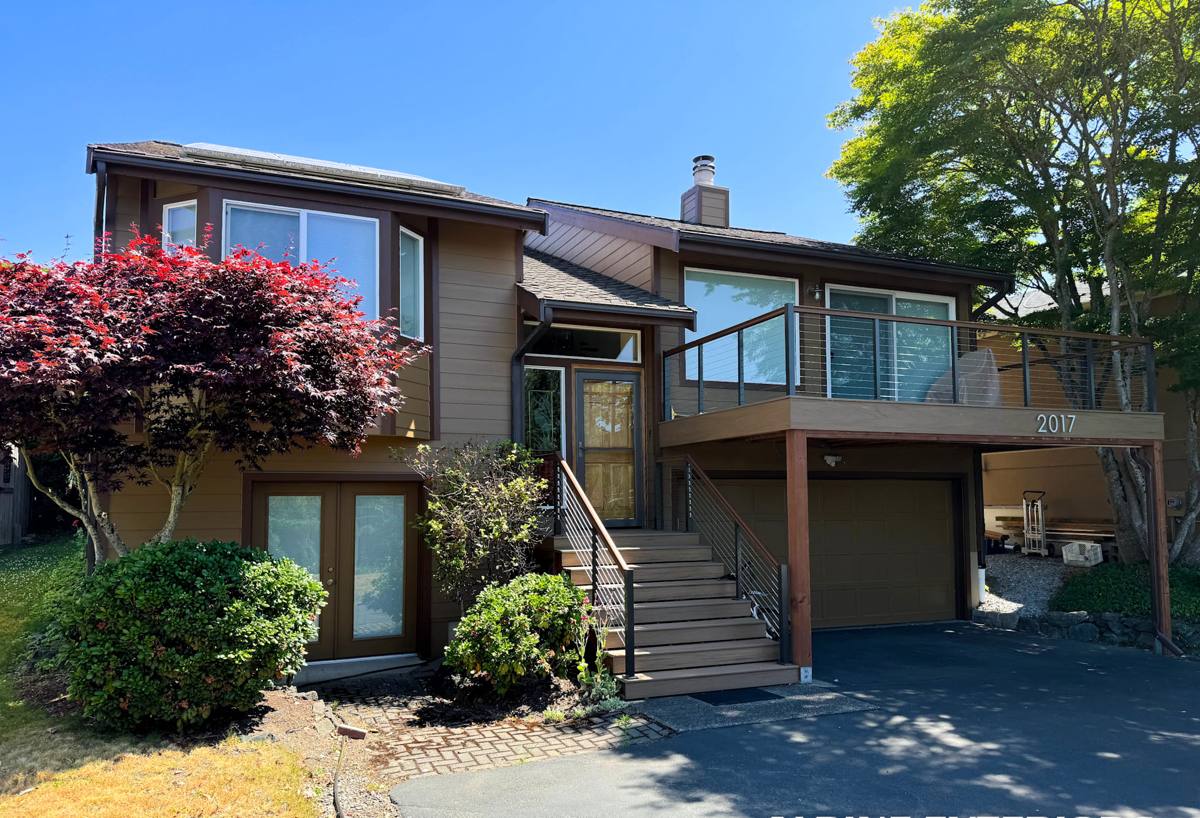
What "Custom" Really Means When You're Replacing Windows
Older Homes Rarely Have Standard Openings
A lot of homes in and around Renton have settled, shifted, or been modified over the decades. Rough openings that were square when the house was framed are often slightly out of square now, and the trim, siding, and interior finish around each window have their own quirks. Ordering a stock-size window and forcing it into an opening that doesn't match is how you end up with gaps, uneven reveals, and caulk doing the job that proper fit should be doing.
Custom windows are built — or ordered to spec — to match the actual opening as it exists today, not the size it was supposed to be when the house was built. That means accurate field measurements, accounting for any out-of-square conditions, and either building the window to fit or modifying the opening correctly rather than papering over the mismatch.
Matching Your Home, Not Just Filling a Hole
Custom also covers style: grille patterns, sightlines, casing profiles, and how the new window reads from the street. A window that performs well but looks wrong next to your home's existing trim and proportions is still a bad outcome. Part of a proper custom job is making sure the replacement looks like it belongs, not like an obvious retrofit.
Frame Materials: What Actually Holds Up Here
Every frame material handles King County's damp, mossy climate differently. We walk homeowners through the real trade-offs rather than pushing whatever has the best margin.
| Material | How It Handles This Climate | Maintenance |
|---|---|---|
| Vinyl | Won't rot; handles moisture well; can flex slightly in temperature swings | Low — occasional cleaning |
| Fiberglass | Very stable in wet/dry cycles; strong resistance to warping | Low |
| Wood-clad | Good insulation and appearance; exposed wood interior needs protection from condensation | Moderate — watch interior finish |
| Aluminum | Durable but conducts cold and can condense heavily in our humidity | Low, but condensation needs managing |
There's no single "best" material for every home — it depends on your budget, your home's style, and how much upkeep you actually want to do. What we won't do is install a product where the maintenance burden or moisture behavior doesn't match what a homeowner is told to expect. If a material needs more upkeep in this climate, we say so up front.
Glass Packages Worth Paying For
Low-E Coatings and Gas Fills
Low-emissivity (Low-E) glass coatings and argon or krypton gas fills between panes are standard on any quality replacement window now, and for good reason in this climate. They cut heat loss during our long cool season and reduce the temperature difference between the glass surface and the room air — which matters more than people realize.
Condensation and Moss-Season Humidity
That temperature difference is exactly what drives interior condensation. During the wettest months, indoor humidity plus a cold single-pane or poorly-sealed window equals fogged glass, water on the sill, and eventually soft wood or mold at the frame edges. A properly sealed dual-pane unit with a good Low-E package keeps the interior glass surface warmer, which cuts down on condensation dramatically. Triple-pane goes a step further and is worth discussing for north-facing rooms or homes with persistent moisture issues, though it comes at a higher cost and added weight on the frame.
The Installation Details That Actually Prevent Water Intrusion
Flashing and Weather Barriers
In a climate with this much driving rain, the window itself is only half the job. How it's flashed and tied into the existing weather-resistive barrier is what actually keeps water out of the wall cavity. Flashing tape and pan flashing at the sill need to be installed in the correct order — under the housewrap above, over it below — so water is always directed outward, never trapped behind the siding.
Sealant Is Backup, Not the Plan
Caulk and sealant are meant to be a secondary line of defense, not the primary water management strategy. When a window is installed with sealant doing all the work and no real flashing underneath, it can look fine for a year or two before hidden rot starts in the wall framing — which is a far more expensive problem than the window itself. We install as though the sealant will eventually fail, because eventually it does, and the flashing underneath is what actually protects the wall.
How We Approach a Custom Window Project
Assessment and Measurement
We start by looking at every opening individually — checking for square, checking the condition of the existing sill and framing, and noting any signs of past water intrusion or moss growth that point to a trouble spot. This is also when we talk through material, glass package, and style options based on your budget and what each room actually needs.
Install Day
Old windows come out, the opening gets inspected and repaired if there's any hidden rot or damage, then the new window goes in with proper flashing, insulation, and air sealing before trim and finish work. We don't install over a problem we find — if there's damaged framing behind an old window, we address it before the new one goes in.
Final Walkthrough
Every window gets operated, checked for square and smooth function, and inspected inside and out before we consider the job done. We'd rather catch a small adjustment on install day than have you notice it a season later.
Signs Your Renton Home's Windows Need Replacing
- Visible condensation or fog between the panes (a sign the seal has failed)
- Soft, discolored, or spongy wood at the sill or frame corners
- Moss or algae growth that keeps coming back on the sill or bottom rail
- Noticeable drafts near the frame, even with the window closed and locked
- Windows that are hard to open, close, or lock, or that don't sit flush
- Rising heating costs with no other clear explanation
- Visible daylight or gaps around the frame from outside
What Affects the Cost
Custom window pricing varies more than people expect, and it's worth understanding why before you compare quotes.
| Factor | Why It Changes the Price |
|---|---|
| Frame material | Vinyl, fiberglass, and wood-clad carry different material and fabrication costs |
| Glass package | Dual-pane Low-E vs. triple-pane vs. added coatings all shift the price per window |
| Opening condition | Out-of-square openings or hidden rot repair add labor beyond a straightforward swap |
| Number of windows | Full-house projects typically bring a better per-window cost than one-off replacements |
| Access and site conditions | Second-story or hard-to-reach openings take more time and equipment |
We give honest, itemized pricing so you can see what you're actually paying for rather than one bundled number that's hard to evaluate against another bid.
Why It Matters That We Already Work in Renton
A crew that works Renton and the surrounding King County area regularly has already seen how homes here age — where moss tends to establish itself, which sill designs shed water well and which don't, and how quickly a bad flashing job turns into a wall repair down the line. That's not something you get from a crew passing through for a single job. It shapes how we measure, how we flash, and which materials we recommend for a specific house rather than a generic answer.
If your windows are showing their age, or you're planning ahead of the next wet season, we're happy to take a look and give you a straightforward, no-pressure estimate — no invented urgency, just an honest read on what your home actually needs.