 King County
 Why Window Performance Matters More in Seattle Than Most Places
Seattle homes deal with a specific combination of stresses that a lot of window products simply aren't built for: near-constant damp air off Puget Sound, driving wind-driven rain that hits windows at an angle instead of straight down, and a moss and mildew season that can run most of the year in shaded, tree-covered lots. Add in the salt air that reaches inland from the Sound and nearby waterways, and you've got a climate that's harder on window seals, frames, and glazing than drier regions ever see.
"Energy-efficient" in this context isn't just about a lower heating bill, although that matters. It's about a window assembly that keeps water out under sustained wind-driven rain, resists condensation on cold, humid mornings, and holds its seal year after year without the frame swelling, rotting, or corroding. A window that's efficient on paper but poorly installed for our weather will still leak, fog, and fail early.
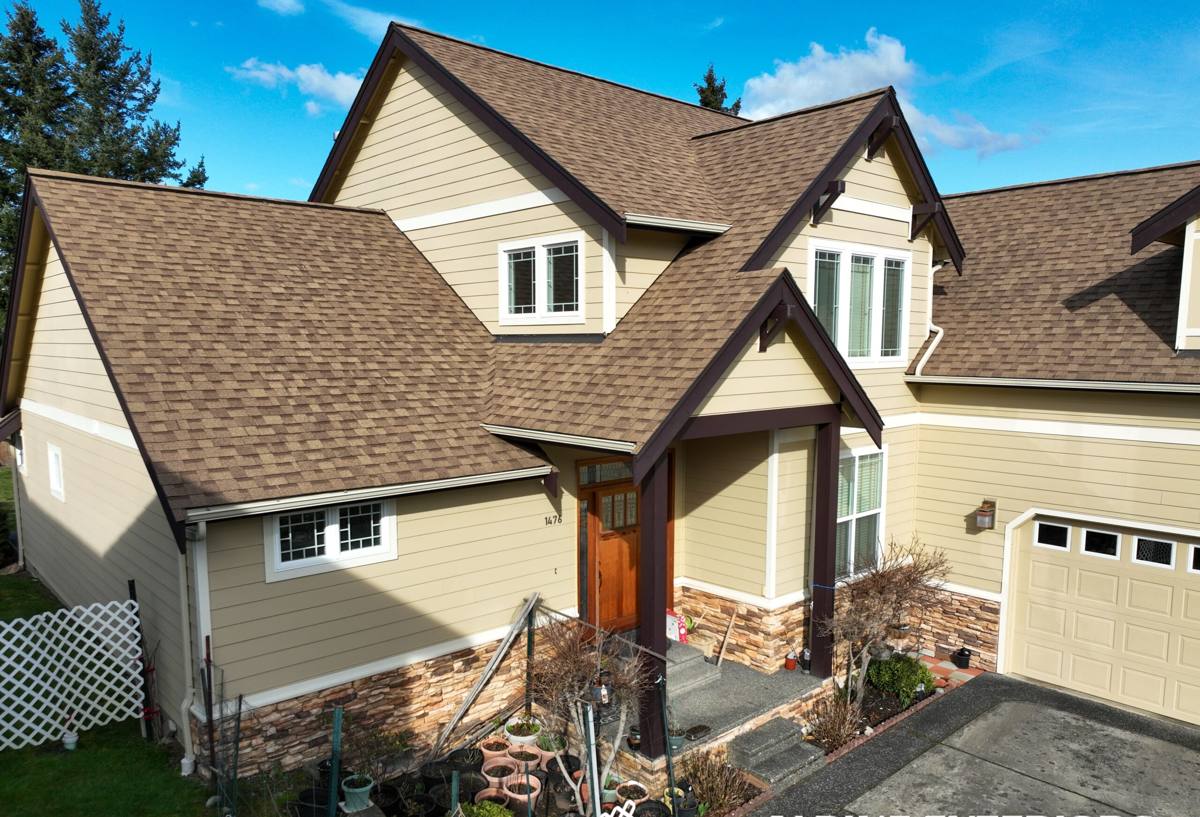
What Actually Makes a Window "Energy-Efficient" Here
U-Factor and Solar Heat Gain
Two numbers matter most: U-factor (how well the window resists heat loss — lower is better) and Solar Heat Gain Coefficient, or SHGC (how much solar heat passes through). In our climate, where winters are mild but gray and heating costs add up over a long cool season, a low U-factor window keeps more of your furnace's output inside the house instead of leaking out through the glass and frame.
Condensation Resistance
This is the number homeowners here should pay closer attention to than they usually do. King County's humidity means interior condensation on window glass and frames is a real, recurring issue, especially in bathrooms, kitchens, and bedrooms with less airflow. A window with poor condensation resistance will fog, drip, and eventually feed mold growth on the sill and surrounding trim. Better glazing packages and warm-edge spacer technology reduce this significantly.
Air and Water Infiltration Ratings
Every window is rated for how much air and water it lets through under test pressure. In a region with sustained wind-driven rain, this rating is arguably more important than the energy numbers, because a window that leaks water doesn't just waste energy — it rots the wall assembly around it.
Signs Your Current Windows Are Working Against You
- Visible condensation or fog between the panes of a double-pane window — the seal has failed and the argon gas fill is gone
- Cold drafts near the frame even when the window is fully latched
- Soft or discolored wood trim, especially on the bottom sill or lower corners
- Moss or dark staining building up on the exterior frame or sill
- Difficulty opening, closing, or latching — often a sign the frame has swelled from moisture
- A noticeable jump in heating costs without any change in usage habits
Any one of these on its own might just mean a repair. Several together, especially on a home more than 15-20 years old, usually mean the windows have reached the end of their useful life for this climate.
Window Materials and Types That Hold Up in King County
There's no single "best" window material — each has real trade-offs, and the right choice depends on your home's exposure, budget, and maintenance appetite. We install and stand behind several options, and we'll walk you through the honest pros and cons for your specific house rather than pushing one product line.
| Material | Performance in Our Climate | Maintenance | Typical Trade-Off |
|---|---|---|---|
| Vinyl | Good insulation, won't rot or corrode from moisture or salt air | Low — no painting or sealing needed | Limited color options; can look less premium on higher-end homes |
| Fiberglass | Excellent dimensional stability, handles temperature and moisture swings well | Low | Higher upfront cost than vinyl |
| Wood (clad exterior) | Strong insulation, classic look; exterior cladding protects against rain if detailed correctly | Moderate — interior wood still needs occasional attention | Any gap in the cladding or flashing invites rot faster than other materials |
| Aluminum | Durable but conducts heat and cold readily; thermal breaks help but don't fully solve it | Low, but prone to condensation without a thermal break | Generally our least-recommended option for primary living spaces here |
For most Seattle homes, we steer clients toward vinyl or fiberglass for the balance of moisture resistance, insulation value, and low upkeep. Wood-clad windows remain a great choice for homeowners who want that look and are committed to the slightly higher maintenance, but we're careful about where we use them given how unforgiving driving rain is on any gap in the cladding.
What a Correct Installation Actually Involves
The window itself is only part of the equation — how it's installed determines whether it performs for 20+ years or starts leaking in year three. This is where a lot of installations in our climate go wrong, and it's rarely the window's fault.
Flashing and Water Management
Every window opening needs a flashing sequence that directs water down and out, never trapping it behind the siding. In a region with sustained wind-driven rain, this detail matters more than almost anywhere else in the country. Sill pan flashing, properly lapped house wrap, and correctly sequenced weather-resistant barrier around the rough opening are non-negotiable, not optional upgrades.
Air Sealing
A window can have a great U-factor and still perform poorly if the gap between the frame and rough opening isn't properly insulated and air-sealed. We use low-expansion foam or backer rod and sealant rated for exterior use, sized to the actual gap rather than overfilled.
Exterior Sealant and Trim Detail
The exterior caulking and trim work is what stands between your wall cavity and King County's rain for the life of the window. We use sealants rated for our climate and give them room to move with the building rather than locking every joint solid, which is a common cause of premature caulk failure.
Our Process for Seattle Window Projects
- On-site assessment of your current windows, framing condition, and any signs of existing moisture damage
- Honest recommendation on repair versus replacement, and which materials fit your home and budget
- Clear, itemized estimate before any work begins — no surprise add-ons mid-project
- Removal of old units with inspection of the rough opening for hidden rot, since this is common in older King County homes
- Proper flashing, air sealing, and insulation at every opening before the new window goes in
- Exterior trim and sealant work finished to shed water, not just look tidy
- Final walkthrough so you understand your new windows' operation and maintenance needs
What Affects the Cost
| Factor | Why It Matters |
|---|---|
| Window material and glazing package | Fiberglass and higher-performance glass cost more upfront but hold up longer here |
| Number and size of openings | Larger or custom-shaped windows require more labor and materials |
| Condition of the existing rough opening | Hidden rot or old flashing failures found during removal add time to fix properly |
| Full-frame versus insert replacement | Full-frame replacement costs more but is often the right call when the old frame or flashing has failed |
| Access and site conditions | Second-story or hard-to-reach windows take more time and equipment |
We'll never give you a number over the phone without seeing the actual windows and openings — too much of the real cost depends on what we find once the old unit comes out.
Living With Moss Season: Ongoing Care
King County's long moss season affects more than your roof. Moss and algae growth on window sills, tracks, and exterior trim holds moisture against the frame and finish, which shortens the life of even a well-installed window over time. A simple seasonal routine — clearing debris from tracks and weep holes, keeping nearby vegetation trimmed back so sills get some airflow and light, and rinsing off built-up grime — goes a long way toward protecting your investment without any real effort.
Why a Crew That Already Works in Seattle Makes a Difference
Window installation isn't complicated in theory. What's complicated is getting every flashing lap, sealant joint, and insulation detail right for a climate that punishes shortcuts with rot and leaks instead of just a slightly higher energy bill. A crew that installs windows year-round in King County has already seen how driving rain finds the gaps that drier-climate installers never have to think about, and how salt air and moss affect long-term frame performance. That experience shows up in fewer callbacks and windows that are still performing correctly a decade or more down the road.
If your windows are drafty, foggy, or just older than you'd like to admit, we're happy to take a look and give you a straightforward assessment — no pressure, no upsell. Reach out using the form below to schedule a free estimate for your Seattle home.