 King County
 Roofing Built for Shoreline's Waterfront Climate
Shoreline sits close enough to Puget Sound that homes here take on a different kind of weather punishment than roofs ten miles inland. Salt-laden air off the water accelerates corrosion on exposed metal fasteners and flashing. Driving rain, pushed sideways by wind coming off the Sound, finds its way into laps and seams that would stay dry in a calmer storm. And the tree cover that makes so many Shoreline neighborhoods attractive also means long, damp moss seasons that can run nine months out of the year. A roof replacement here isn't just about swatting on new shingles — it's about specifying materials and details that actually hold up to this particular mix of conditions.
We've worked enough roofs in this part of King County to know which failure patterns show up again and again on Shoreline homes, and we build our replacements to head them off rather than just match what was there before.
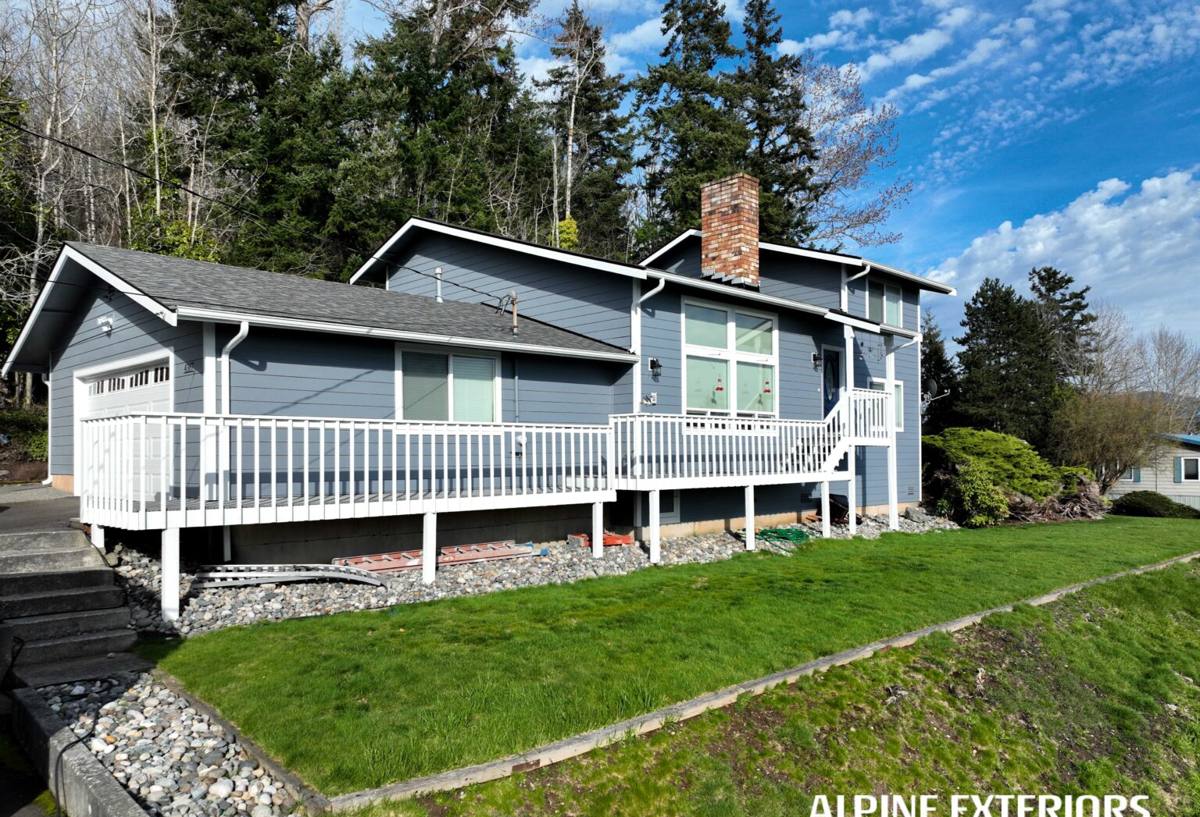
What Shoreline's Climate Actually Does to a Roof
Salt Air and Corrosion
Proximity to saltwater means airborne salt settles on roofing surfaces and works into any exposed metal. Nails, staples, flashing, and vent housings that aren't rated for coastal exposure corrode faster here than they would in a drier, inland part of the county. Once a fastener starts to corrode, it loses holding power long before it looks obviously bad from the ground, which is part of why roofs near the water can fail at the fastener level while the shingles themselves still look fine.
Wind-Driven Rain
Rain that comes in at an angle behaves differently than rain falling straight down. It gets pushed up under shingle tabs, into open valleys, and around penetrations like plumbing vents and chimneys. A roof system that relies purely on gravity to shed water — thin underlayment, minimal flashing overlap, standard nailing patterns — is more likely to let water intrude during a real Puget Sound wind event.
Moss and Moisture Retention
Shoreline's tree canopy and marine-influenced humidity create ideal conditions for moss growth on north-facing and shaded roof slopes. Moss isn't just cosmetic. It holds moisture against the roofing surface for extended periods, which shortens the life of asphalt shingles, promotes wood rot on older cedar roofs, and can lift shingle edges as the moss mat grows and expands. A roof that isn't detailed and maintained with moss in mind will age faster than the manufacturer's rated lifespan suggests.
Signs a Shoreline Roof Needs Replacing, Not Patching
Not every roofing problem calls for full replacement. But there's a point where repeated repairs stop making financial sense and a full tear-off becomes the honest recommendation. We look for:
- Granule loss heavy enough that you can see bare asphalt on multiple slopes, not just one worn spot
- Shingles that are cupping, curling, or cracking across a broad area rather than isolated to storm damage
- Soft or spongy decking discovered during inspection, which signals moisture has already gotten past the roofing surface
- Persistent moss regrowth even after cleaning, especially where moss has been present for several seasons
- Flashing around chimneys, skylights, or vent pipes that's rusted, separated, or was never properly step-flashed
- A roof already past 20-25 years old (asphalt) or showing widespread wear, where the cost of continued patch repairs starts to approach the cost of doing it right
If your roof shows one or two of these in isolation, a repair may still be the right call, and we'll tell you that. Replacement makes sense when the underlying materials — decking, underlayment, flashing — are aging out together.
What a Correct Roof Replacement Involves Here
Tear-Off and Decking Inspection
We remove the existing roofing down to the deck rather than layering over old material. This is the only way to actually see the condition of the plywood or plank decking underneath, which is where hidden rot from years of trapped moisture typically shows up first. Any damaged decking gets replaced before anything new goes down — installing new roofing over compromised decking just hides a problem that will resurface.
Underlayment Suited to Wind-Driven Rain
Given how often Shoreline roofs face rain pushed by wind off the Sound, we pay close attention to underlayment coverage, particularly a synthetic or self-adhered membrane in vulnerable areas like eaves, valleys, and around penetrations. This is the layer that protects the deck if wind ever drives water past the primary roofing surface.
Corrosion-Resistant Flashing and Fasteners
For homes with meaningful exposure to salt air, we favor flashing and fastener materials with better corrosion resistance rather than the cheapest standard-grade options. Step flashing at walls and chimneys, continuous flashing in valleys, and properly sealed vent boots all matter more here than they would on a roof twenty miles from the water.
Ventilation That Actually Works
Proper intake and exhaust ventilation keeps the underside of the roof deck dry and temperature-stable, which reduces condensation buildup and helps shingles last their full rated life. A lot of older Shoreline homes were built with ventilation that's marginal by today's standards, and a replacement is the right time to correct that rather than reinstall the same undersized setup.
Moss-Resistant Details
We install roofing with moss growth in mind — that includes material choices with algae/moss-resistant granules where appropriate, and design details that reduce standing moisture on shaded slopes. No roof in a heavily wooded, moisture-prone area is fully moss-proof, but the right materials and detailing slow it down significantly compared to a standard install.
Comparing Roofing Material Options for This Climate
There's no single "best" material for every Shoreline home — it depends on your roof pitch, budget, and how much maintenance you want to take on. Here's how the common options stack up against this area's specific conditions:
| Material | Salt Air Durability | Moss Resistance | Maintenance | Typical Lifespan |
|---|---|---|---|---|
| Architectural asphalt shingle | Good, with corrosion-resistant fasteners | Fair to good with algae-resistant granules | Low to moderate | 25-30 years |
| Standard 3-tab asphalt | Fair | Fair | Moderate | 15-20 years |
| Metal (standing seam) | Very good with coastal-rated coatings | Very good — sheds moisture, resists moss | Low | 40-50+ years |
| Cedar shake | Fair — needs diligent maintenance near salt air | Poor without regular treatment | High | 20-30 years with upkeep |
| Synthetic composite | Good | Good | Low | 30-50 years |
We'll walk through these trade-offs with you directly rather than steering you toward one product. Cedar shake, for example, can look great and has a long tradition in the Pacific Northwest, but it demands more upkeep in a moist, moss-prone, salt-air environment than most homeowners want to commit to — that's a maintenance and moisture-behavior trade-off worth knowing up front, not a knock on the material itself.
Our Process for a Shoreline Roof Replacement
- On-site inspection. We assess the current roof, decking condition, ventilation, and any problem areas specific to your home's exposure and tree cover.
- Written estimate. You get a clear scope of work and pricing before anything is scheduled — no surprise line items added mid-project.
- Material selection. We go over the trade-offs above based on your budget, roof style, and how much long-term maintenance you're willing to do.
- Tear-off and deck repair. Full removal of old roofing, deck inspection, and replacement of any compromised sheathing.
- Underlayment and flashing install. Weather protection layers go in before the finish roofing material, with extra attention at valleys, eaves, and penetrations.
- Roofing installation. Finish material installed to manufacturer specifications, with fastener and flashing choices matched to coastal exposure.
- Final walkthrough. We review the completed work with you and cover any manufacturer warranty registration and basic care recommendations.
Cost Factors for a Shoreline Roof Replacement
Every roof is different, but the biggest factors that move price up or down are fairly consistent across projects. Rather than quote a number that won't mean much without seeing your roof, here's what actually drives cost:
- Roof size and pitch — steeper roofs take longer and require more safety setup
- Number of layers to remove — tearing off two layers of old roofing costs more than one
- Decking condition — hidden rot found during tear-off adds material and labor
- Material choice — asphalt, metal, and composite options span a wide price range, as shown above
- Roof complexity — valleys, dormers, skylights, and multiple chimneys all add flashing work
- Ventilation upgrades — correcting inadequate intake/exhaust ventilation adds scope but pays off in roof longevity
We put all of this in writing during the estimate so you know exactly what you're paying for and why, rather than getting a vague lump-sum number.
Why a Crew That Already Works Shoreline Matters
A roofer who mostly works drier, inland parts of King County can still do competent general roofing work, but they won't necessarily default to the coastal-grade details that matter here — the corrosion-resistant fasteners, the extra flashing attention at valleys, the moss-conscious material choices. We work this part of the county regularly, so those aren't upgrades we have to be talked into; they're standard on how we spec a Shoreline job from the start.
We're also familiar with the practical side of working in this area — navigating tight lots with mature tree cover, coordinating around neighborhood parking and access, and working efficiently during the weather windows Western Washington actually gives you between rain systems.
Maintaining Your New Roof in a Marine Climate
A well-installed roof still benefits from basic upkeep, especially in a climate like Shoreline's. A few habits go a long way:
- Keep gutters clear so water isn't backing up under the roof edge, particularly during fall leaf drop
- Have moss growth addressed early rather than letting it establish for multiple seasons
- Trim back overhanging branches to reduce shade, debris buildup, and physical abrasion on the roof surface
- Schedule a periodic visual inspection, especially after any major windstorm off the Sound
- Watch for granule buildup in gutters and downspouts, which can signal accelerated shingle wear
None of this requires a big time commitment, but it does extend the life of the investment you're making in a new roof.
If your roof is showing its age or you're just planning ahead, we're happy to take a look and give you a straightforward, no-pressure estimate for your Shoreline home. Use the form below to get started.