 King County
 Why Shoreline Homes Take a Beating on Their Siding
Shoreline sits along Puget Sound, which means homes here deal with a combination most inland King County neighborhoods don't have to think about as much: salt-laden air moving off the water, wind-driven rain that hits siding sideways instead of straight down, and a long, gray moss season that can run from October well into spring. None of these forces are dramatic on their own. The problem is that they're constant, year after year, and siding that isn't built or installed to handle them starts to show it early.
Salt air is corrosive to fasteners and hard on paint finishes over time. Driving rain finds every gap, seam, and undersized flashing detail and pushes water where it doesn't belong. And moss doesn't just look bad — it holds moisture against the siding surface for weeks at a stretch, which is exactly the kind of sustained dampness that wood-based and moisture-sensitive siding products struggle with. In a climate like Shoreline's, siding replacement isn't just a cosmetic upgrade. It's the difference between a wall system that sheds water and one that slowly absorbs it.
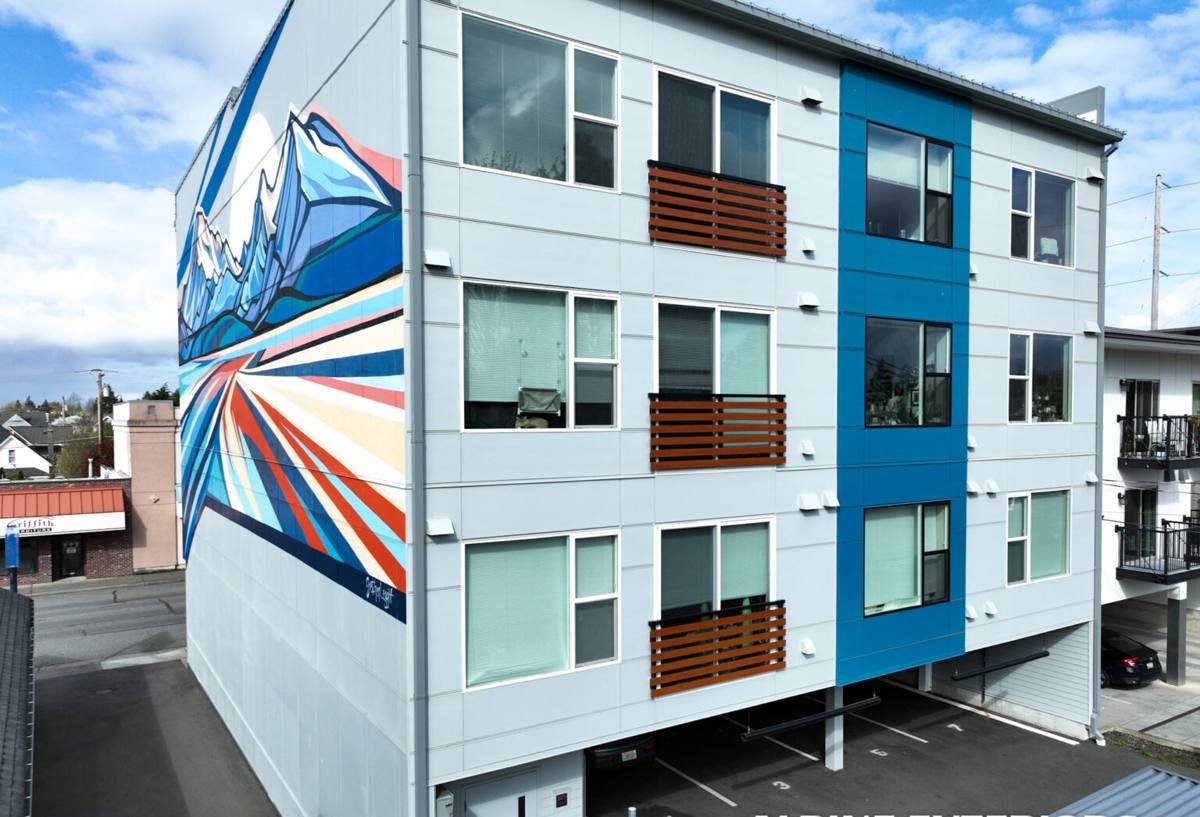
Signs a Shoreline Home Needs Siding Replacement, Not Another Repair
Homeowners often ask whether they can patch a problem area instead of replacing the whole run of siding. Sometimes that's reasonable. Other times, what looks like a small issue is a sign the underlying material or installation has failed more broadly. Common signs we look for during an inspection include:
- Soft or spongy spots when you press on the siding, especially near the bottom courses and around windows
- Paint that's peeling, bubbling, or needs repainting far more often than it should
- Persistent moss or algae growth that comes back within a season of cleaning
- Visible warping, cupping, or delamination of siding boards or panels
- Gaps at seams, corners, or trim where daylight or drafts are noticeable
- Interior signs like musty smells, staining on interior walls, or damp insulation near exterior walls
One or two of these on their own might mean a targeted repair. Several at once, especially combined with the age of the siding, usually points to full replacement being the more honest recommendation — and the more cost-effective one over a 10-year horizon.
What a Correct Siding Replacement Job Actually Involves
A siding replacement is more than pulling off old boards and nailing up new ones. Done right, it's a full re-evaluation of how water moves across and behind the wall. That includes checking the condition of the sheathing underneath, confirming a proper weather-resistive barrier is in place, and getting flashing details right at every window, door, and roofline intersection — the spots where the vast majority of moisture problems actually start.
What Gets Checked Before New Siding Goes Up
Once old siding is removed, we inspect the sheathing for rot or soft spots, verify the house wrap or weather barrier is continuous and properly lapped, and address any framing damage before anything new is installed. Skipping this step is one of the most common shortcuts in the industry, and it's the reason a siding job can look fine for a year or two and then fail from the inside out.
Why Flashing and Fastening Details Matter More Here
In a climate with sustained wind-driven rain, flashing above windows, doors, and at butt joints has to actually direct water outward rather than just cover a gap. Fastener spacing and placement also matter — manufacturer specs exist for a reason, and following them affects both the warranty and how the siding performs in real weather, not just how it looks on installation day.
Why We Install Only James Hardie Fiber Cement Siding
We made a deliberate decision to install one siding system — James Hardie fiber cement — rather than offering a menu of vinyl, LP SmartSide, primed wood, or other fiber cement brands. That's not about brand loyalty. It's about what actually holds up in a climate like this one.
Fiber cement is non-combustible, which matters more each year as wildfire smoke and ember exposure become a bigger part of Pacific Northwest summers. Hardie's ColorPlus factory finish is baked on under controlled conditions, which gives it better fade and chip resistance than field-applied paint — a real advantage when your siding is dealing with salt air and near-constant moisture exposure rather than a dry, sunny climate where paint has an easier life. Hardie also engineers its products by climate zone, so what goes on a Shoreline home (an HZ5 product line, built for wetter, more humid regions) is a different formulation than what gets installed in the Southwest.
We're not going to tell you every other siding product is junk — that's not honest, and it's not our call to make about products we don't install. Vinyl is inexpensive and low-maintenance in mild climates. LP SmartSide is a capable engineered wood product when installed and maintained carefully. But vinyl can warp and become brittle over decades of temperature swings and impact, and any wood-based siding — LP SmartSide included — depends on caulking, painting, and moisture management staying perfect for the life of the product, which is a hard standard to hit in a place that sees this much sustained rain and humidity. We'd rather install one product we can stand behind completely than offer options we'd have reservations about recommending.
James Hardie vs. Other Siding Options in a Puget Sound Climate
| Factor | James Hardie Fiber Cement | Vinyl | LP SmartSide / Engineered Wood |
|---|---|---|---|
| Moisture resistance | Excellent — won't rot, engineered for wet climates | Good, but seams and fasteners can let water track behind panels | Depends heavily on paint and caulk maintenance staying current |
| Fire resistance | Non-combustible | Combustible, can melt or warp near heat | Combustible (wood-based core) |
| Finish durability | Factory-baked ColorPlus finish, strong fade resistance | Color molded in, but can fade and become brittle with UV exposure | Field-painted; repainting cycle needed to stay protected |
| Maintenance | Low — occasional wash, repaint on a long cycle if not ColorPlus | Low — but cracks and impact damage are common repair calls | Moderate to high — repainting and caulk inspection needed regularly |
| Typical lifespan when properly installed | 30+ years | 20-30 years, variable | 20-30 years with consistent maintenance |
Our Siding Replacement Process
1. On-Site Inspection and Honest Assessment
We walk the exterior with you, point out what we're actually seeing — moisture damage, failed flashing, aging siding — and explain what full replacement would involve. If a repair genuinely makes more sense than replacement for your situation, we'll say so.
2. Removal and Substrate Inspection
Old siding comes off and we inspect the sheathing and framing underneath before anything new goes up. Any rot or damage gets addressed at this stage, not covered over.
3. Weather Barrier and Flashing Installation
A proper weather-resistive barrier goes on, and flashing is installed at every window, door, and transition point according to manufacturer specifications — the details that determine whether the wall actually sheds water over the next 30 years.
4. Hardie Siding Installation to Manufacturer Spec
Panels or planks go up with correct fastener spacing, gapping, and clearances, following James Hardie's published installation requirements, which is also what keeps the manufacturer's warranty intact.
5. Final Walkthrough and Cleanup
We walk the finished job with you, confirm everything meets the standard we set out to hit, and clear the site of debris and old material.
Cost Factors for Siding Replacement in Shoreline
Every home is different, and we won't quote a number without seeing the house, but the factors that most commonly move the price are worth understanding upfront:
| Factor | Why It Matters |
|---|---|
| Amount of substrate repair needed | Rot or damaged sheathing found during removal adds labor and material before new siding can go on |
| Home size and wall complexity | More corners, dormers, and roof transitions mean more cutting, flashing, and labor time |
| Siding profile and finish choice | Lap siding, panel systems, and trim details vary in material cost and installation time |
| Access and site conditions | Tight lots, mature landscaping, or multi-story walls can affect equipment needs and labor |
| Existing siding removal and disposal | Tear-off and haul-away scope depends on what's currently on the house |
Why Hiring a Crew That Already Works in Shoreline Matters
Siding installation isn't uniform across King County. A crew that mostly works drier, more sheltered inland areas isn't necessarily thinking the same way about flashing details and moisture management as one that regularly works homes exposed to Puget Sound weather. Knowing which details actually matter in this specific environment — where the moss keeps growing, where wind-driven rain hits hardest, where older homes tend to have outdated moisture barriers — comes from doing the work here repeatedly, not from a general specification sheet.
There's also a practical side to hiring local: scheduling around our actual weather windows, being reachable for questions after the job is done, and standing behind the work because we're not driving in from somewhere else. For a project as significant as a full siding replacement, that local accountability is worth factoring in alongside price.
Questions Worth Asking Before You Commit
- Is the quote based on an actual inspection of my siding and sheathing, or a rough estimate from photos?
- What weather-resistive barrier and flashing approach will be used, and does it match manufacturer specs?
- Is the crew installing to the siding manufacturer's published requirements, and does that keep the warranty valid?
- What happens if rot or damage is found once old siding comes off?
- Who do I call if I have a question about the siding a few years down the road?
If you're weighing a siding replacement in Shoreline, we're happy to take a look, walk you through what we're seeing, and put together a straightforward estimate — no pressure, no upsell games. Use the form below to request a free estimate.