 King County
 Siding Repair in Kent Isn't a One-Size-Fits-All Job
Homeowners in Kent often call us after noticing one bad board, a soft spot near a downspout, or a corner where paint keeps peeling no matter how many times it's redone. In most cases, that visible problem is a symptom, not the whole story. Siding repair done right starts with figuring out why that spot failed in the first place — because in King County's marine climate, a patch that ignores the underlying moisture path will fail again, usually within a season or two.
Kent sits in a part of the Puget Sound region that sees a long, wet fall-through-spring stretch, periods of driving, wind-pushed rain, and enough shade and humidity in places to grow moss on roofs, fences, and siding alike. None of that is unusual for western Washington, but it does mean siding repair here has to account for water intrusion and trapped moisture, not just cosmetic damage.
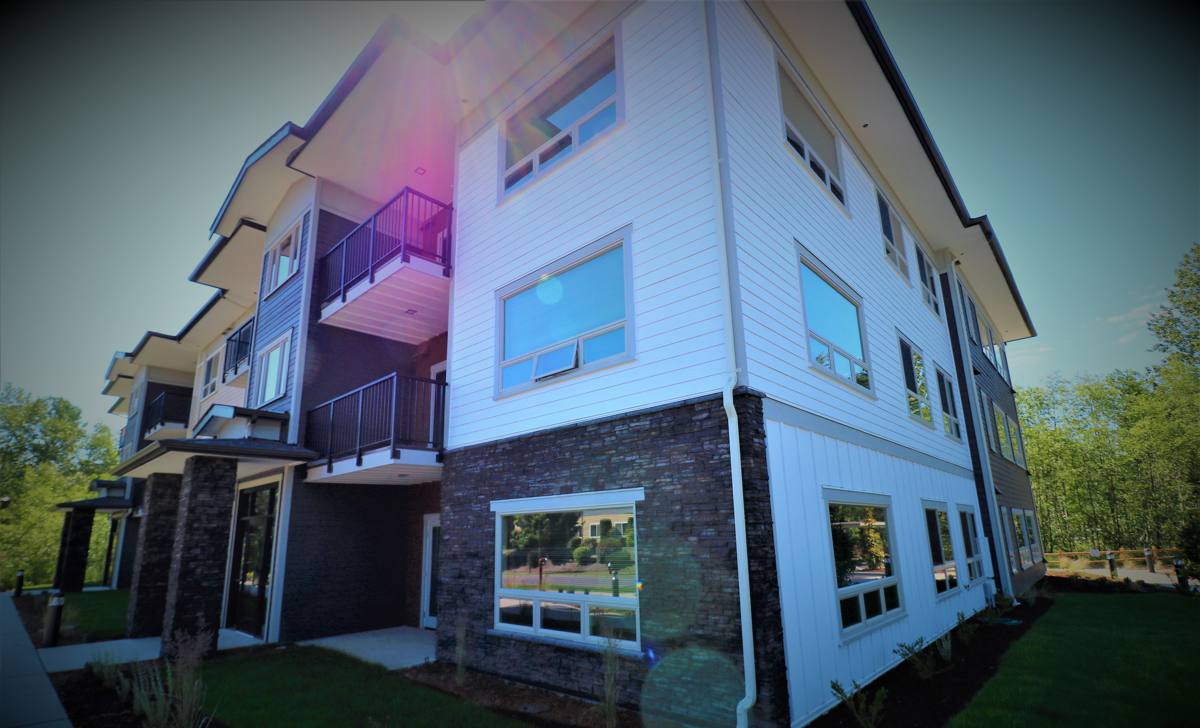
What King County's Climate Does to Siding Over Time
Driving Rain and Wind-Driven Moisture
Storms moving through the region rarely drop rain straight down. Wind pushes it sideways into wall assemblies, and over years that pressure finds every gap in flashing, every under-caulked seam, and every spot where siding was face-nailed too tight or too loose. Wood-based and engineered wood siding are especially vulnerable because once moisture gets behind the surface, it can wick along the material and cause swelling or rot well beyond the original point of entry.
Moss, Shade, and Slow-Drying Walls
Kent's tree cover and long overcast stretches mean some exterior walls simply don't get enough sun and airflow to dry out quickly after a storm. That's how moss and algae get a foothold on siding, trim, and fascia. Beyond looking bad, sustained dampness under moss growth softens caulk, degrades paint film, and keeps the substrate wet longer — which accelerates rot in wood products and can eventually stain or etch other materials.
The Salt Air Factor
This part of the Puget Sound basin also deals with a marine-influenced atmosphere — a mix of moisture and airborne salts that's harder on exposed fasteners, metal flashing, and unprotected wood fiber than a drier inland climate would be. It's one more reason generic repair materials and short-cut fixes don't hold up as long here as manufacturers' marketing might suggest.
Signs Your Kent Home Needs Siding Repair — Not Just a Repaint
A fresh coat of paint can hide a lot of problems for a year or two, which is exactly why so many siding issues get discovered later than they should have been. Watch for these signs:
- Soft, spongy, or bouncy siding when you press on it, especially near the bottom courses or under windows
- Paint that bubbles, peels, or fails again within a year or two of being redone in the same spot
- Visible gaps, cracks, or separation at seams, corners, and butt joints
- Dark streaking, moss, or persistent green growth that comes back quickly after cleaning
- Warping, cupping, or buckling panels, particularly on shaded or north-facing walls
- Musty smell or visible staining on interior walls that back up to exterior siding
- Fastener heads that have backed out, rusted, or left rust streaks down the siding face
Any one of these on its own might be minor. Several together, or any sign paired with soft wood underneath, usually means water has been getting in for a while.
What a Correct Siding Repair Actually Involves
Finding the Real Entry Point
The visible damage and the actual leak path are often in different places. Water can enter at a window head, travel behind the house wrap, and show up as rot several courses lower. A repair that only addresses the visible board without tracing the moisture path is a repair that will need to be done again.
Checking What's Behind the Siding
Once damaged siding is removed, we look at the house wrap or building paper, the flashing at windows, doors, and penetrations, and the sheathing underneath. If the wrap is torn, the flashing is missing or reversed, or the sheathing itself is soft, replacing the siding alone won't solve the problem — the water management layer behind it has to be corrected first.
Matching Materials the Right Way
Blending a repair into existing siding means matching reveal, profile, and finish as closely as possible. When the original material is a product we don't install — vinyl, LP SmartSide, cedar, or primed spruce, for example — we'll tell you honestly what a like-for-like patch can and can't achieve, and where a small section replaced in James Hardie fiber cement is the more durable long-term fix, even if it requires a bit more care to blend visually.
Repair or Replace? How We Help You Decide
Not every damaged section needs a full re-side, and we're not going to tell you it does. The honest answer usually comes down to how much of the wall is affected, what's happening behind the surface, and how old the existing siding already is.
| Factor | Repair Often Makes Sense | Replacement Is Usually Smarter |
|---|---|---|
| Extent of damage | Isolated to one or two sections or courses | Spread across multiple walls or elevations |
| Moisture behind siding | Localized, sheathing still sound nearby | Widespread rot or repeated soft spots found |
| Age of existing siding | Mid-life, otherwise performing well | Near or past its expected service life |
| Material type | Still available or closely matchable | Discontinued, faded, or a product we no longer trust long-term |
| Root cause | One-time event (impact, isolated flashing failure) | Systemic issue (poor original install, chronic drainage problem) |
We'll walk the property with you, explain what we find, and give you a straight recommendation — not the most expensive option by default.
Our Siding Repair Process
- On-site inspection. We examine the damaged area and the surrounding siding, looking for related issues before we quote anything.
- Diagnosis, not guesswork. We identify the actual water path and any damage to house wrap, flashing, or sheathing, and explain it to you in plain terms.
- Honest scope and pricing. You get a clear explanation of what's being repaired, what materials are used, and why — before work starts.
- Correct water management first. Any compromised flashing, wrap, or sheathing gets addressed before new siding goes back on.
- Quality material for the patch. Where a full match isn't possible or advisable, we use James Hardie fiber cement for the repaired section, installed to manufacturer spec.
- Final check. We inspect the finished repair for proper fastening, sealant, and paint or finish line before calling the job done.
Why We Repair Toward James Hardie, Not Away From It
We install James Hardie fiber cement siding exclusively, and that shapes how we approach repairs, too. When a repair calls for replacing more than a small patch — or when a homeowner asks what to do about a wall that keeps needing attention — we're straightforward that fiber cement from Hardie is what we'd put there ourselves. It's non-combustible, engineered for wet climates like ours through Hardie's HZ product lines, and finished with a factory-applied ColorPlus finish that holds color far longer than field-applied paint on wood or engineered wood products.
That doesn't mean we push a full re-side on every repair call. Plenty of jobs are legitimately small — a section of trim, one damaged panel, a corner that took a hit from a fallen branch. But when the conversation turns to "should I keep patching this wall," we'll give you our honest read, including when a small, well-executed repair is genuinely the right call.
Why a Crew That Already Works Kent Matters
Siding repair in this region isn't the same trade as siding repair in a dry climate. A crew that regularly works Kent and the rest of King County already knows how local moisture patterns behave, how moss and shade affect different exposures, and what flashing details tend to fail first on homes built in different eras around the area. That local pattern recognition shortens the diagnosis phase and reduces the odds of missing a related problem nearby.
It also means fewer surprises with scheduling. Wet-season work in western Washington requires planning around weather windows, drying time, and sequencing so that an open wall isn't left exposed longer than necessary. A crew unfamiliar with the region's rhythms is more likely to get caught out by a system moving in off the Sound.
Get a Straight Answer About Your Siding
If you've got a spot on your Kent home that's been bothering you — a soft board, a stain, a patch of moss that won't quit — we're happy to take a look and tell you honestly whether it's a simple repair or something more. There's no pressure and no obligation. Use the form below to request a free estimate.