 King County
 Why West Seattle Siding Takes More Abuse Than Most
West Seattle sits out on a peninsula, with a lot of homes facing directly into weather coming off Puget Sound. That exposure is part of what makes the neighborhood a great place to live, but it's hard on exterior siding. Salt-laden air, wind-driven rain, and a moss season that can stretch across most of the wet months all work on a house's siding at the same time, and most of that damage happens slowly enough that homeowners don't notice until a wall is already soft, streaked, or bubbling under the paint.
A siding repair in this part of King County isn't the same job as a siding repair somewhere thirty miles inland. The materials, the joints, and the fasteners are all fighting a more corrosive, wetter environment, and a repair that doesn't account for that just fails again in a year or two. This page walks through what West Seattle's climate actually does to siding, what a repair should include to hold up, and why it matters that the crew doing the work already knows this neighborhood.
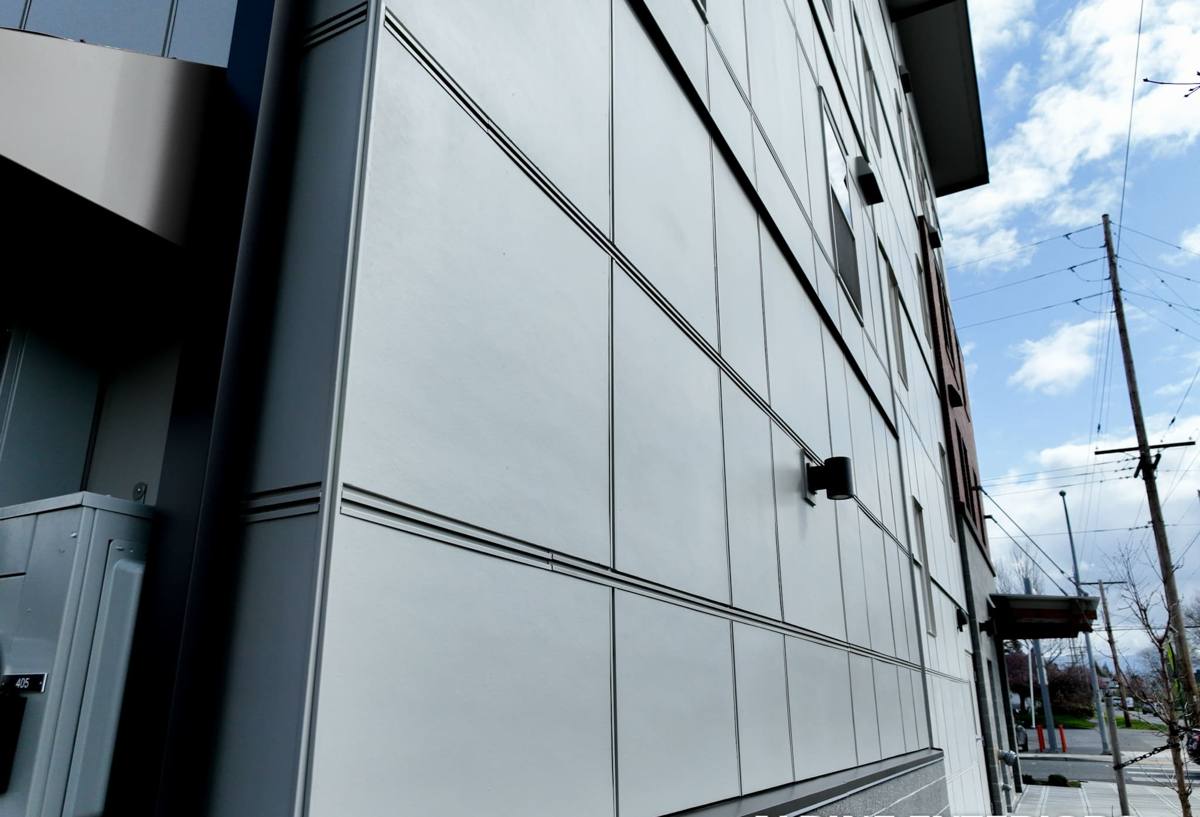
What West Seattle's Climate Does to Siding Over Time
Salt Air and Corrosion Creep
Homes with any real exposure to Puget Sound air deal with a slow corrosion problem that inland King County houses mostly avoid. Nails, staples, and metal trim flashing corrode faster in salt-influenced air, and once a fastener starts rusting, it can weep a stain down the face of the siding and eventually lose its grip on the board it's holding. This shows up years before any structural damage is visible, usually as small rust streaks below nail heads or at trim joints.
Driving Rain and Wind-Driven Moisture
Rain in this area doesn't just fall straight down — wind off the water pushes it sideways into seams, butt joints, and anywhere caulking has started to crack. Elevations that catch the prevailing weather take the brunt of it, and those are usually the walls where we find failed joints and soft trim first. Once water gets behind a piece of siding, it doesn't dry out quickly in this climate, and that's when real damage starts.
A Long Moss Season
Shaded walls, north-facing exposures, and anything near overhanging trees stay damp longer here than in drier parts of the county, and moss takes hold in exactly those conditions. Moss holds moisture directly against the siding surface for weeks at a time, which accelerates paint failure, breaks down caulk lines, and creates the kind of constant dampness that wood and some composite products simply weren't built to sit in indefinitely.
Common Repair Needs We See in West Seattle
Not every repair call is the same, but a few patterns come up again and again on West Seattle homes:
- Cracked or shrinking caulk joints at butt seams, corners, and window trim
- Soft or spongy spots where boards meet trim, usually a sign of moisture already behind the cladding
- Rust streaking below fasteners or at flashing lines
- Discoloration, staining, or paint failure under moss and algae growth
- Buckled or warped boards, often from trapped moisture rather than impact damage
- Gaps opening up at window and door trim returns after seasonal expansion and contraction
Any one of these on its own might be a small fix. Several of them together, especially on the same wall, usually mean water has been getting behind the siding for a while and the repair needs to go further than the visible damage.
What a Correct Repair Actually Involves
Diagnosing the Root Cause First
Patching over a stain or replacing one bad board without checking what let water in is the single most common way a siding repair fails again. A correct repair starts with figuring out why that section failed — bad flashing, a caulk joint that was never sealed properly, a grade or gutter issue dumping water onto the wall, or house wrap that's torn or missing behind the board. If we don't fix the cause, the new material fails the same way the old material did.
Matching Material and Finish
Because this company installs only James Hardie fiber cement, repairs on Hardie siding can be matched cleanly — the plank profile, exposure, and factory ColorPlus finish are all standardized, so a repaired section can blend into the surrounding wall instead of looking like an obvious patch. When an entire elevation has taken sun and weather damage unevenly, sometimes the more honest recommendation is to refinish or replace that full wall rather than leave a visibly mismatched repair next to weathered original siding.
Repair vs. Replacement: How We Help You Decide
Homeowners often call about one bad spot and want to know whether that's really all that needs attention. These are the factors we walk through with every West Seattle repair estimate:
| Factor | Repair Usually Makes Sense | Replacement Is Usually the Better Call |
|---|---|---|
| Extent of damage | Isolated to one or two boards or a single joint | Recurring damage across multiple walls or elevations |
| Moisture behind cladding | Localized, caught early, sheathing intact | Widespread moisture, soft sheathing, or mold found on inspection |
| Age and condition of remaining siding | Siding is otherwise sound and well-maintained | Siding is near end of life or a non-Hardie product with known wear issues |
| Appearance after repair | Patch can be color- and profile-matched cleanly | Fading or weathering elsewhere would make a patch obviously mismatched |
We'll always tell you honestly which side of that table your house falls on. A good repair on the right house saves money; pushing a repair on a house that really needs replacement just delays the same problem.
Our Siding Repair Process
- On-site inspection of the damaged area and a check of surrounding walls for related issues
- Moisture reading and, where needed, opening the area to inspect house wrap, flashing, and sheathing
- A clear explanation of what caused the damage and what it will take to fix it correctly
- Sourcing matching James Hardie material, including color and profile matching where the existing siding is Hardie
- Repair work itself — removing damaged material, correcting the underlying flashing or moisture issue, and installing new siding to manufacturer spec
- Cleanup and a final walkthrough so you know exactly what was done and why
Why We Repair — and Install — Only James Hardie Fiber Cement
We don't repair or install LP SmartSide, vinyl, Cemplank, Allura, primed spruce, or cedar, and that's a deliberate standard, not an accident of what we happen to stock. In a climate like West Seattle's, fiber cement holds up to salt air, driving rain, and a long moss season better than wood-based or vinyl products tend to, and it does so without the ongoing maintenance burden that wood siding carries or the fading and impact sensitivity that comes with vinyl. James Hardie's HZ5 product line is specifically engineered for climates like ours, the ColorPlus factory finish resists fading and chipping far better than field-applied paint, and the material itself is non-combustible.
That matters directly for repairs: when we patch a Hardie wall, we're working with a product system that has consistent profiles and a documented, transferable warranty behind it. Repairing wood siding often means matching weathered material that will never quite look the same again, and repairing vinyl usually means hunting for a discontinued color or profile that may not exist anymore. Standardizing on one product lets us guarantee the repair work the same way we guarantee new installs.
Why Hiring a Crew That Already Works West Seattle Matters
A crew that regularly works this peninsula knows which elevations tend to take the worst of the wind-driven rain, which yards hold onto moss longest into the summer, and what a salt-air corrosion pattern looks like at three years versus ten. That familiarity shows up in small but important ways — knowing to check flashing details that fail early in this climate, recognizing early moisture damage before it spreads, and not treating a West Seattle repair the same way you'd treat one on a dry, inland King County lot. It also means a shorter drive for follow-up visits and warranty work, which matters if a repair needs a second look after the next wet season.
A Maintenance Checklist for West Seattle Homeowners
Between repairs, a few habits go a long way toward keeping siding from needing attention again too soon:
- Rinse siding at least once a year to clear salt residue and grime before it builds up
- Trim back branches and shrubs that keep a wall shaded and damp
- Check and clean gutters so overflow isn't running directly down the siding
- Treat visible moss or algae promptly rather than letting it spread across a wall
- Walk the exterior once or twice a year looking for cracked caulk, soft spots, or rust streaking
- Address small trim or caulk failures right away — they're cheap to fix early and expensive once water gets behind the wall
Get a Straight Answer on Your Siding
If you're seeing staining, soft spots, moss buildup, or trim damage on your West Seattle home, we're happy to take a look and give you a straightforward assessment — repair, partial replacement, or otherwise — with no pressure either way. Use the form below to request a free estimate and we'll go from there.