 King County
 West Seattle Windows Work Harder Than Most
West Seattle sits right up against Puget Sound, and that location shapes everything about how windows age here. Homes on the bluffs and along the shoreline take on a steady dose of salt-laden marine air, which is harder on exposed metal hardware, weatherstripping, and painted wood trim than the drier air found farther inland in King County. Add in driving, wind-blown rain that hits windows at an angle instead of straight down, and a long moss and mildew season that keeps north- and west-facing walls damp for months at a time, and you've got a climate that tests every seam in a window installation, not just the glass.
None of this means West Seattle homes need exotic products. It means the installation details — flashing, sealants, drainage paths, and frame material — have to be right the first time. A window that would perform fine in a dry inland climate can fail early here if it's installed without those details in mind.
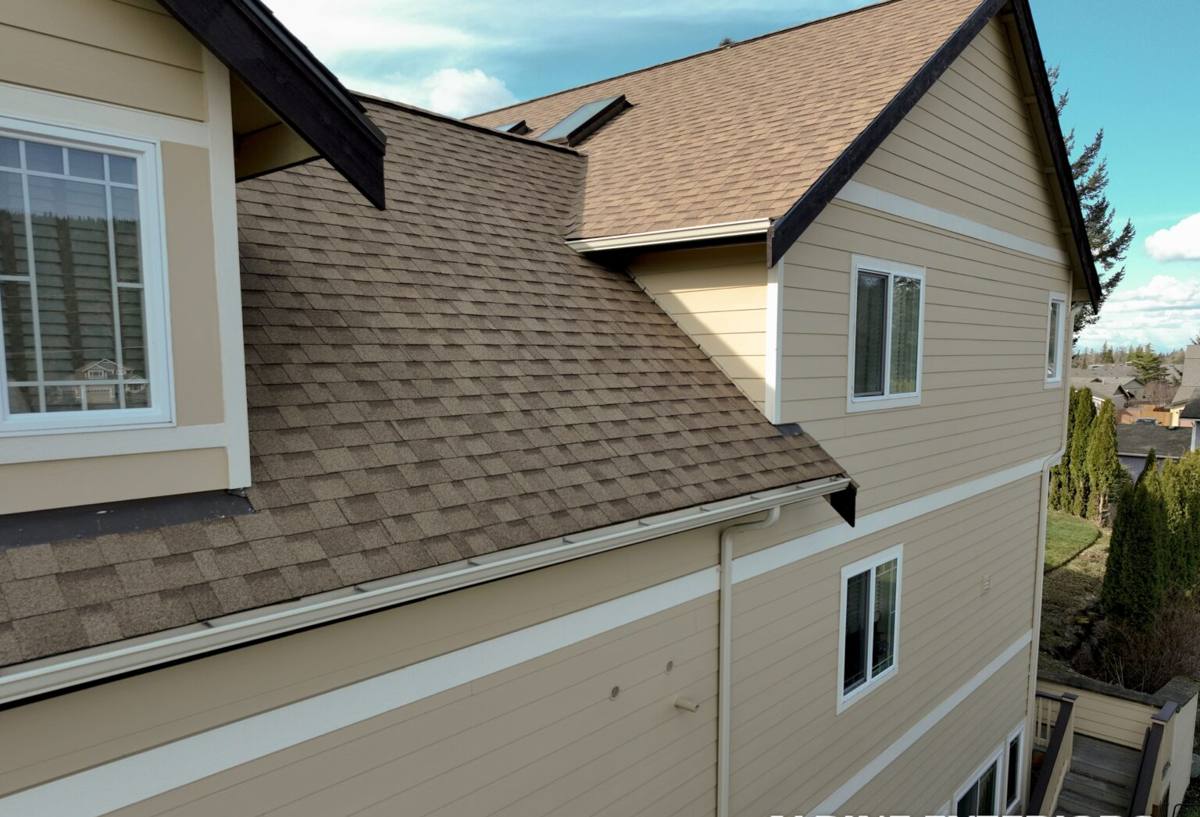
Signs Your West Seattle Home Is Ready for New Windows
Because of the marine exposure, window problems in this area tend to show up as moisture and air issues before they show up as obvious cracks or broken glass. Common signs we see on service calls around West Seattle include:
- Fogging or a permanent haze between the panes, meaning the seal on a double-pane unit has failed
- Soft or discolored wood at the sill or bottom corners of the frame, often from months of standing moisture
- Visible moss or dark streaking on the exterior trim around the window, a sign the area stays wet longer than it should
- Noticeable drafts or a cold spot near the window even when it's fully latched
- Hardware — locks, cranks, hinges — that's stiff, corroded, or hard to operate
- Rising heating bills without a clear explanation, which often points to air leakage rather than a furnace problem
Any one of these on its own might just need a repair. Several of them together, especially on a home more than 20-25 years old, usually means the windows are past the point where patching makes sense.
What a Correct Window Replacement Actually Involves
Swapping out a window looks simple from the curb, but the parts nobody sees are what determine whether the job holds up through a Pacific Northwest winter. A correct install has three jobs to do at once: keep water out, keep conditioned air in, and let any moisture that does get into the wall assembly find its way back out.
Flashing and drainage first
Before a new window ever goes in, the rough opening needs proper flashing — a sequenced layering of water-resistant barrier and flashing tape that directs any water that gets behind the siding back out and away from the framing, not down into it. This is the single most important step in the whole job and the one that's easiest to shortcut. In a climate with as much driving rain as West Seattle gets off the Sound, a flashing detail that's "close enough" is where rot starts, usually years after the crew that did it is gone.
Air sealing and insulation
Once the window is set, the gap between the frame and the rough opening needs to be sealed and insulated correctly — not overpacked with expanding foam, which can bow the frame, and not left with gaps that let air and moisture through. Backer rod and a quality sealant at the interior and exterior trim lines finish the job and keep the seal flexible through King County's temperature swings.
Level, plumb, and square
A window that's out of square will bind, won't lock properly, and will wear its weatherstripping unevenly. Careful shimming and fastening through the manufacturer's designated points keeps the unit operating smoothly for the life of the window, not just the first year.
Choosing the Right Frame Material for Marine Air
Frame material matters more in a marine climate than in most inland parts of King County. The table below outlines the honest trade-offs for the options most homeowners consider.
| Frame Material | Performance Near Marine Air | Maintenance | General Cost |
|---|---|---|---|
| Vinyl | Handles moisture and salt air well; won't corrode or rot | Low — occasional cleaning | Lower |
| Fiberglass | Very stable in temperature swings; strong resistance to moisture and expansion | Low | Mid to higher |
| Aluminum-clad wood | Attractive interior wood look, but the exterior clad joints and any exposed wood need consistent upkeep near salt air | Moderate to high | Higher |
| Bare aluminum | Prone to condensation and, over time, corrosion in coastal-influenced air unless thermally broken | Moderate | Lower to mid |
We install vinyl and fiberglass on most West Seattle projects because they hold up to the salt air and repeated wet-dry cycling with the least long-term maintenance. Wood and wood-clad windows can still be the right call for a homeowner who wants a specific interior look or is matching existing historic trim, but we'll walk through the added upkeep honestly before you commit — it's a real cost, not a footnote, in this climate.
Our Window Replacement Process
- On-site assessment. We look at your current windows, the condition of the framing and sills, and how exposed your home is to wind and rain off the Sound.
- Measurement and product selection. Every opening is measured individually — older King County homes are rarely perfectly uniform — and we walk through frame material, glass, and hardware options based on your budget and exposure.
- Written estimate. You get a clear, itemized quote before any work is scheduled, with no pressure to decide on the spot.
- Removal and inspection. When we pull the old window, we check the framing underneath for hidden rot or moisture damage before installing the new unit — this is often where problems from a prior bad install show up.
- Installation. Flashing, air sealing, and fastening are done to manufacturer spec, not shortcuts.
- Interior and exterior finish work. Trim, caulking, and touch-up paint are completed so the finished opening looks intentional, not patched.
- Walkthrough and cleanup. We test every window's operation and lock function with you before we consider the job done, and we clean up the site.
Permits and Energy Code Considerations
Window replacement in Seattle and unincorporated King County generally falls under residential building permit requirements, and the specifics depend on whether you're doing a like-for-like swap or changing the size or structural opening. Washington's energy code also sets minimum performance requirements for replacement windows, which affects what glass and frame combinations qualify. If any bedroom window is being replaced, egress size requirements need to be checked as well, since those windows may need to remain large enough to serve as a fire escape route. We handle the permit process and code checks as part of the job so you're not left sorting through it on your own.
A Checklist for Hiring a Window Contractor in West Seattle
Window replacement is a job where a poor install often doesn't show its problems for a year or two, by which point the crew that did it may not stand behind the work. Before you hire anyone, it's worth asking:
- Are you licensed and insured to do this work in Washington, and can you provide proof?
- Who pulls the permit, and is that included in the quote?
- What's your specific flashing and water-management method for this climate?
- Will the same crew that quotes the job actually perform the install?
- What does the written warranty cover — labor, product, or both — and for how long?
- Can you provide references from other jobs in the West Seattle area specifically?
- What happens if you find rot or hidden damage once the old window comes out?
A contractor who answers these clearly and without hesitation is generally one worth trusting with the job.
Why Local Experience in West Seattle Matters
West Seattle has its own mix of housing stock — older bungalows and Craftsman-era homes near the ridge, mid-century houses closer to the water, and newer construction mixed throughout — and each brings different framing quirks, siding types, and moisture histories. A crew that works this specific area regularly has already seen how these homes respond to the wind and rain patterns coming off the Sound, what kind of flashing failures show up in older construction, and how moss and mildew tend to collect on certain exposures. That local pattern recognition is the difference between a window install that just fits the opening and one that's actually built for where it sits. It also means faster response if something needs a follow-up visit, rather than scheduling around a crew based well outside King County.
Get a Straightforward Estimate
If your windows are fogging, drafty, sticking, or just past their prime, we're glad to take a look and give you an honest assessment — no pressure, no upsell. Fill out the form below to schedule a free estimate for window replacement in West Seattle.