 King County
 Sammamish sits inland from the saltwater of Puget Sound, but it doesn't escape the region's marine climate — the same weather system that pushes salt air and driving rain across King County still drops heavy, sustained rainfall on Sammamish's wooded hillsides, and the tree cover that makes the area attractive also keeps everything shaded and damp for months at a time. For windows, that combination of moisture and shade is what actually matters, more than any single storm. Homes here deal with long stretches of gray, wet weather every fall and winter, and that steady dampness is harder on window seals, frames, and sills than the occasional heavy downpour.
How Sammamish's Climate Actually Wears Down Windows
The problem in Sammamish isn't usually wind-driven rain punching through a wall assembly — it's slow, repeated moisture exposure. Many neighborhoods sit under mature fir and cedar cover, which means less direct sun to dry out window sills, tracks, and exterior trim between rain events. Add in the region's long moss season, and you get a slow buildup of organic material around window frames, especially on north-facing walls and anywhere water sheets off a roofline near a window opening. Moss and algae hold moisture against wood trim and vinyl cladding, which accelerates rot in wood-framed windows and can trap moisture against poorly flashed openings on any window type.
Homes built in Sammamish's many 1990s and 2000s-era subdivisions often have their original builder-grade windows still in place. Those units were adequate when installed, but 20-30 years of this cycle — rain, damp shade, moss, repeat — is exactly the kind of slow wear that shows up as fogged glass, swollen sashes, and soft trim long before a homeowner expects it.
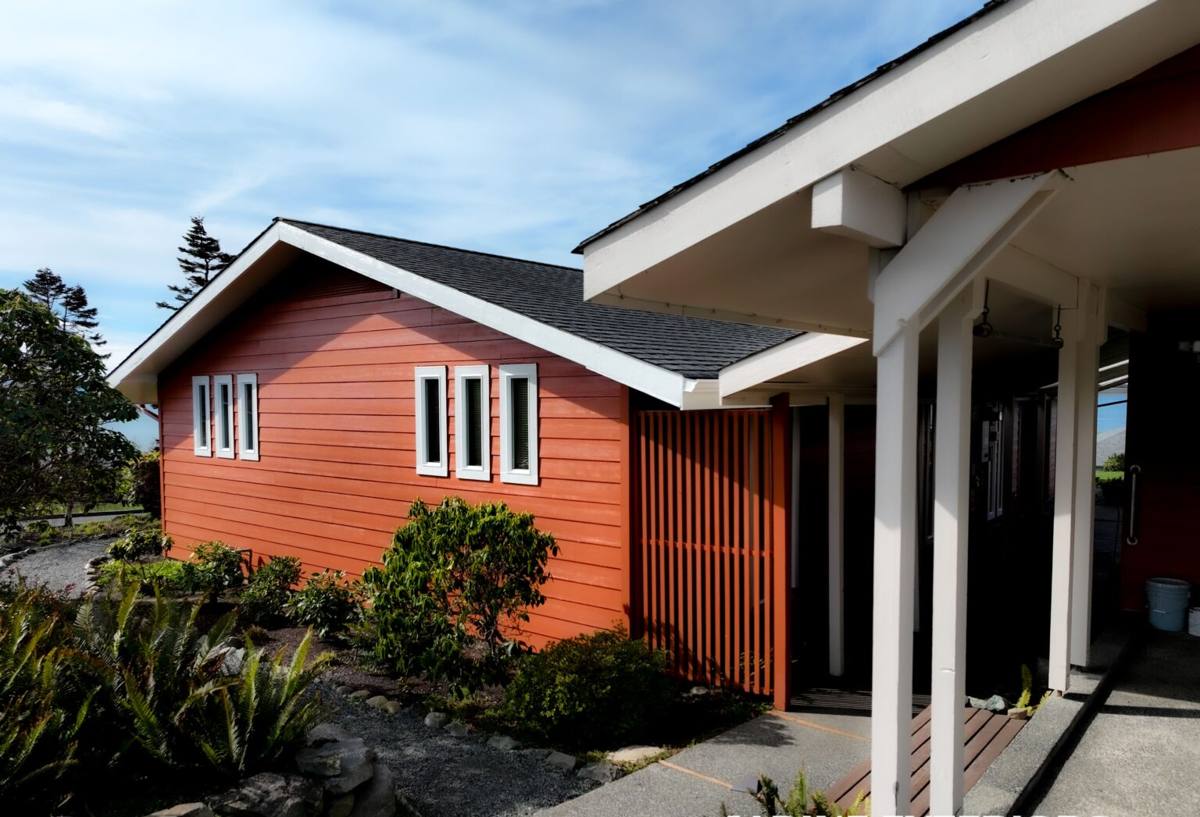
Signs Your Sammamish Home Is Ready for Window Replacement
Window failure rarely happens all at once. It shows up gradually, and a lot of homeowners live with the early signs longer than they need to. Here's what we look for, and what you can check yourself:
- Fogging or a milky haze between panes of double-pane glass — the seal has failed and the gas fill is gone
- Windows that are hard to open, stick in the track, or won't stay up without a prop
- Visible gaps between the frame and the wall, or daylight visible around the edges
- Soft, spongy, or discolored wood on sills and exterior trim, especially on shaded or north-facing walls
- Moss or dark streaking building up on the frame or sill that keeps returning even after cleaning
- Noticeable cold drafts near the window in winter, or condensation forming on the inside of the glass
- Rising energy bills without any other explanation for the change
Any one of these on its own might just need a repair. Several of them together, especially on a home with its original windows, usually means replacement is the more cost-effective path.
What a Correct Window Replacement Job Actually Involves
The window itself is only part of the job. Most window failures we see in this region trace back to how the opening was sealed and flashed, not a defect in the window unit. A correct installation treats the rough opening as seriously as the window.
Removal and Opening Inspection
Once the old window is out, the opening gets inspected before anything new goes in. This is the point where hidden moisture damage, soft framing, or old flashing failures get caught. Skipping this step and just dropping a new window into a compromised opening is how the same rot problem comes back in a few years.
Flashing and Moisture Management
Proper flashing directs any water that gets behind the siding back out and away from the wall, rather than letting it pool at the sill or work its way into the framing. Given how much sustained rain Sammamish sees, this is the step that determines whether a window lasts 25 years or fails again in five. It's also the step that's easiest to rush, which is why it's worth confirming your contractor is actually doing it, not just caulking around the edges and calling it done.
Insulation and Air Sealing
The gap between the window frame and the rough opening needs to be filled with the right material — typically a low-expansion foam or backer rod and sealant, not stuffed with fiberglass insulation that does little to stop air movement. This is where most of the draft and energy-loss complaints from old installations come from.
Final Sealing and Finish Work
Exterior caulking, interior trim, and any siding or brick mold disturbed during the swap get put back correctly, with sealant chosen for exposure and movement, not just whatever's on the truck. On a shaded, damp lot, the quality of this exterior seal is what keeps moss and moisture from finding a way back in over the following winters.
Choosing the Right Window Type for a Sammamish Home
There's no single "best" window for every house — it depends on sun exposure, tree cover, and how much upkeep you want to take on. For a climate defined by sustained damp and shade, we generally steer homeowners away from painted wood exteriors unless they're a wood-clad unit with a protected exterior finish, simply because bare or lightly finished wood in a shaded, wet environment needs more frequent maintenance to avoid the rot cycle described above.
| Frame Material | Moisture Behavior | Maintenance | Best Fit |
|---|---|---|---|
| Vinyl | Won't rot; can expand/contract with temperature swings | Low — occasional cleaning | Most homes, budget-conscious replacements |
| Fiberglass | Very stable, resists moisture and warping well | Low | Homes wanting durability with a higher upfront cost |
| Wood-clad (exterior-protected) | Good if the exterior cladding stays intact; interior wood adds warmth | Moderate — watch cladding seams | Homes prioritizing interior wood trim appearance |
| Bare/painted wood exterior | Most vulnerable in shaded, damp conditions | High — repainting and sealing on a regular cycle | Not our default recommendation for shaded Sammamish lots |
Glass Packages Worth Considering
Double-pane with a low-E coating and argon gas fill is the standard baseline for this region and handles our climate well. Triple-pane adds another layer of insulation and sound dampening, which is worth considering on busier streets or homes with rooms that run cold in winter, but it comes at a higher cost and added weight — worth weighing against your specific comfort complaints rather than assuming it's automatically the better choice.
Frame Color and Sun Exposure
On the more sun-exposed sides of a home, darker vinyl frame colors can experience more thermal expansion over time than lighter colors. It's a minor factor for most homeowners, but worth mentioning if you're set on a dark exterior frame color on a south- or west-facing elevation.
What Actually Drives the Cost
Every home is different, but the same handful of factors move the price up or down on nearly every job we quote in this area.
| Factor | Why It Matters |
|---|---|
| Number and size of openings | More or larger windows means more material and labor |
| Frame material chosen | Vinyl, fiberglass, and wood-clad carry different unit costs |
| Glass package | Triple-pane, upgraded low-E coatings, or specialty glass add cost |
| Condition of the rough opening | Rot or moisture damage found during removal requires repair before the new window goes in |
| Access and second-story work | Steep lots and upper-floor windows, common on Sammamish's hillside properties, add labor time |
| Trim and siding disturbance | Matching existing trim or siding around a resized opening adds finish work |
We'd rather walk your home and give you real numbers than throw out a broad range that doesn't mean much for your specific project.
How Our Process Works
- Walkthrough and assessment — we look at each window from both sides, check for the signs of failure listed above, and note anything specific to your home's exposure and construction
- Straightforward estimate — you get a clear breakdown of window options and pricing, with our honest opinion on what fits your home rather than an upsell to the most expensive option
- Scheduling around the weather — we plan installation days with the forecast in mind so openings aren't sitting exposed during a heavy rain system
- Removal and opening inspection — old windows come out and the rough opening gets checked before anything new goes in
- Installation, flashing, and sealing — done in the sequence described earlier, not shortcuts
- Interior and exterior finish work — trim, caulking, and cleanup so the job looks finished, not just functional
- Final walkthrough — we go over the work with you before calling it done
Why It Matters That We Already Work in Sammamish
A lot of window contractors serve the greater Puget Sound region broadly and treat every job the same, regardless of where it sits. Working regularly in Sammamish specifically means we already have a feel for what this area's homes tend to run into — the shaded, moss-prone north sides common on wooded lots, the HOA architectural guidelines that a lot of Sammamish communities enforce on exterior changes like window color and trim, and the scheduling reality of working around this region's long wet season rather than fighting it.
That local familiarity also means fewer surprises during the job. We're not guessing at how a King County building permit process works or what a typical HOA review expects from a window replacement submission — we've been through it before, and we can tell you upfront what to expect rather than figuring it out as we go.
Maintaining Your Windows After Installation
A correctly installed window still benefits from basic upkeep, especially in a climate that grows moss on nearly everything left damp and shaded long enough.
- Rinse frames and sills a couple of times a year to keep moss and algae from establishing, particularly on shaded or north-facing windows
- Check exterior caulking annually for cracking or gaps, especially after the first winter in a new installation
- Keep gutters and downspouts clear so water isn't sheeting directly down onto window openings below
- Vacuum out window tracks periodically so debris doesn't hold moisture against the frame
- Trim back branches or vegetation that keep a window in constant shade and dampness, if practical
None of this is difficult, but it's the kind of small, regular maintenance that determines whether a well-installed window actually reaches its expected lifespan in this climate.
If your Sammamish home has windows showing any of the signs above, or you're just ready to stop dealing with drafts and fogged glass, we're happy to come take a look. The estimate is free, there's no pressure, and you'll get a straightforward answer about what your windows actually need.