 King County
 Bellevue Roofs Wear Down in a Specific Way
Bellevue sits in a part of King County where roofs almost never fail from heat or hail. They fail from months of steady moisture, shade from mature tree canopy, and the slow, patient work of moss and algae finding every low spot and shaded valley on a roof. A roof repair here isn't the same job as a roof repair in a dry climate. It's a moisture-management job first and a materials job second.
That means the same three or four problems show up on Bellevue roofs over and over: moss holding water against shingles longer than it should, clogged valleys and gutters backing water up under the roofing material, flashing that's rusted or lifted at chimneys and skylights, and nail pops or cracked seals from years of freeze-thaw cycling and wind-driven rain. None of these are dramatic. All of them get expensive if they're ignored.
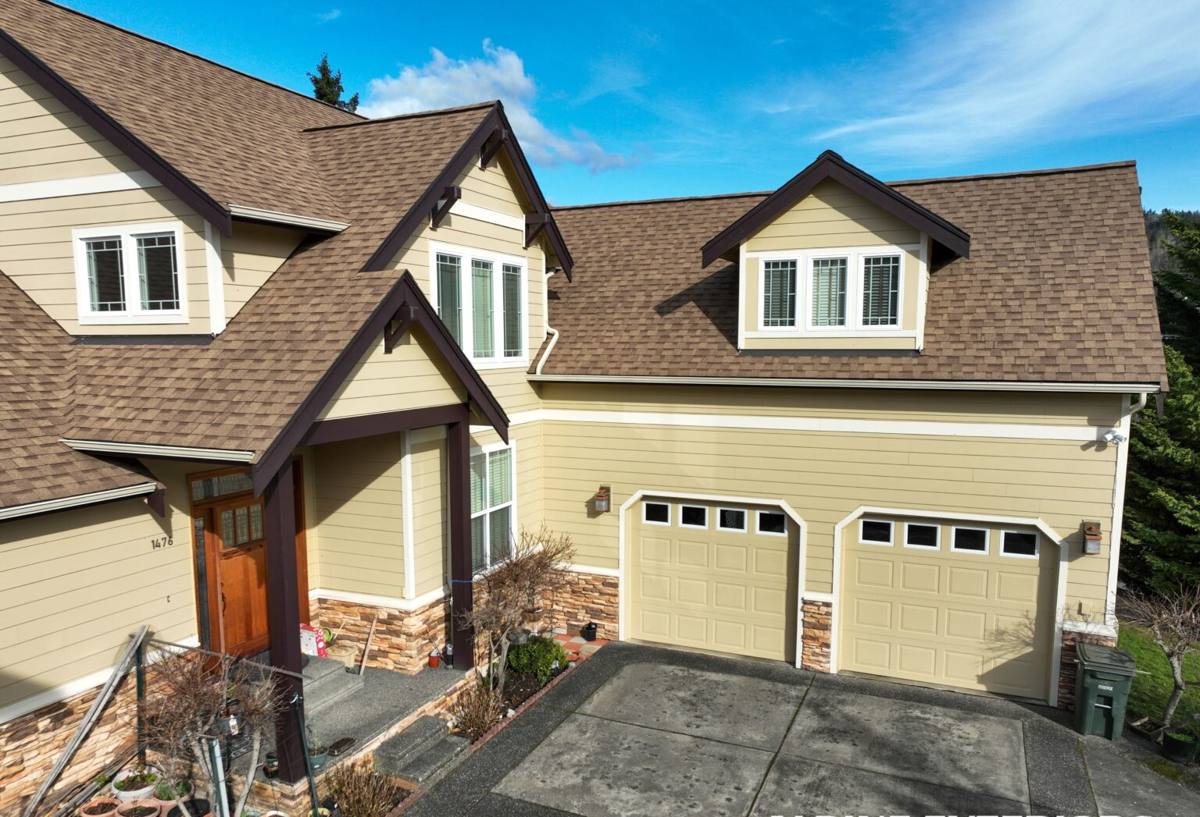
Signs Your Roof Needs Repair Now, Not Later
Most Bellevue homeowners don't get a dramatic leak — they get a slow warning sign that's easy to explain away. Here's what we actually look for during a repair call:
- Dark streaking or green-black patches on north-facing or shaded slopes — early moss and algae growth
- Granules collecting in gutters or at downspout splash points, a sign shingles are past their protective life on that section
- Soft spots or slight sagging along a valley or eave, which usually means water has been getting under the roofing there for a while
- Daylight or water stains around chimney flashing, skylights, or roof-to-wall transitions
- Missing, curled, or cracked shingles after a windstorm
- Moss growing thick enough that you can see it lifting shingle edges rather than just discoloring them
Any one of these, caught early, is usually a straightforward repair. Left through another wet season, several of them turn into deck damage, insulation damage, or interior repair — which is a different conversation and a different bill.
What a Correct Roof Repair Actually Involves
A repair done right isn't just swapping the damaged shingle you can see. Water rarely stays where it enters, so a proper repair traces the path first.
Finding the real source
We start on the roof, not the ceiling. Interior stains often show up several feet from the actual entry point because water runs along rafters or sheathing before it drips. We check flashing, underlayment condition, fastener patterns, and the surrounding shingle field before opening anything up.
Removing what's damaging the roof, not just what's visible
If moss is part of the problem — and in King County, it usually is — it gets removed by hand or with a soft-wash approach rather than pressure-washed off, which can drive water under shingles and strip granules. Debris in valleys and behind chimneys gets cleared so water has a real path off the roof again.
Matching materials, not improvising
Replacement shingles, flashing, and underlayment should match the existing roofing system in type and, where possible, appearance. Mismatched flashing metal or incompatible underlayment is a common cause of repairs that fail again within a year or two.
Sealing and integrating the repair
New material has to tie into the old roofing correctly at the seams — proper shingle lacing, correctly lapped flashing, and sealant used only where it belongs, not as a substitute for proper flashing work.
Moss and the Long Wet Season
King County's driving rain and extended damp stretch from fall through spring create ideal conditions for moss, and Bellevue's tree cover makes it worse in shaded yards and north-facing slopes. Moss isn't just cosmetic. It holds moisture against the roofing surface long after the rest of the roof has dried, which accelerates granule loss on asphalt shingles and can work its way under shake or shingle edges over a season or two.
A repair visit is also the right time to install or check zinc or copper strips near the ridge, which help suppress regrowth as rain washes trace metal down the roof slope. It's a small addition during a repair that reduces how often moss becomes a repair-triggering problem again.
Our Repair Process
- Roof and attic inspection — we look at the roofing surface, flashing, valleys, and, when accessible, the attic side for staining or damp sheathing.
- Written scope and honest recommendation — you get a clear explanation of what's actually wrong, what it will take to fix it, and whether repair or replacement makes more sense for the roof's age and condition.
- Moss and debris removal — done in a way that protects the existing shingles rather than damaging them further.
- Repair work — matched materials, correct flashing technique, and proper integration with the surrounding roof.
- Final check — we confirm water now has a clear path off the roof and the repaired area is fully sealed and weather-tight before we call the job done.
Repair or Replacement? What Actually Decides It
Homeowners often call about a small leak and want to know whether it's worth fixing or whether they're about to need a whole new roof. The honest answer depends on a few factors, not just the roof's age.
| Factor | Leans toward repair | Leans toward replacement |
|---|---|---|
| Extent of damage | Isolated to one section, flashing, or valley | Spread across multiple slopes or the whole roof |
| Roof age | Well within its expected material lifespan | Near or past the material's typical service life |
| Underlying deck condition | Sheathing is solid and dry | Soft, rotted, or repeatedly wet decking |
| Moss/algae history | First or occasional occurrence, manageable | Chronic regrowth across large areas year after year |
| Repair history | First repair call in several years | Third or fourth repair to the same areas |
We'll tell you plainly which side of that table your roof falls on. A repair that's genuinely enough to solve the problem is always the recommendation we'd rather make — replacement only makes sense when the roof or deck can't reliably be patched anymore.
Roofing Materials We Repair
Most Bellevue homes are roofed in asphalt composition shingles, with a smaller number of cedar shake, metal, and tile roofs, especially on older or custom-built homes. Each material has its own repair considerations:
- Asphalt composition shingle — the most common repair, usually involving flashing, sealant failure, or wind damage; matching shingle color and profile matters for a clean result
- Cedar shake — repairs need to account for how shakes weather and split over time, and how moss and moisture move differently through a shake roof than a shingle roof
- Metal — fastener backouts, seam sealant failure, and panel damage are the typical issues; repairs need fasteners and sealants rated for the specific panel system
- Tile — usually a matter of cracked or slipped tiles and the underlayment beneath them, since the tile itself often outlasts what's underneath it
We repair what's actually on your roof rather than pushing a material switch you didn't ask about. If a full section genuinely needs replacing, we'll explain the trade-offs of sticking with the existing material versus changing it — maintenance, appearance, and how it will weather in this climate — so it's your decision, made with real information.
Why Hiring a Crew That Already Works Bellevue Matters
Roof repair estimates can vary a lot depending on whether the person on your roof actually understands how King County's weather behaves on a roof over a full year, not just on the day of the estimate. A crew that works Bellevue regularly knows which slopes hold moss longest, which flashing details tend to fail first in this climate, and how to sequence a repair around the rain rather than getting caught mid-repair by it.
It also matters for something less obvious: knowing how to work safely and cleanly around mature landscaping and tree cover, which is common on Bellevue properties and changes how debris removal and access need to be handled compared to a more open, treeless lot.
Before You Hire Anyone — A Short Checklist
- Get a written scope of the repair, not just a verbal quote
- Ask what happens if they find additional damage once they're on the roof
- Confirm they carry liability insurance and workers' compensation coverage
- Ask how they handle moss removal — pressure washing can do more harm than good
- Ask whether materials will match your existing roof, and how
- Get a straight answer on repair versus replacement, with reasoning, not just a recommendation
A roof repair is a small enough job that it's tempting to skip the vetting most people do for a full replacement. That's usually a mistake — a poorly done repair can cause more damage than the problem it was meant to fix.
If you're noticing moss buildup, a stain on a ceiling, or a section of roof that just doesn't look right, we're happy to take a look and give you a straight answer on what it needs. Reach out for a free, no-pressure estimate using the form below.