 King County
 Asphalt Shingle Roofing Built for Bothell's Climate
Bothell sits in one of the wetter, more tree-covered corners of King County, and that combination is hard on a roof. Between the moisture rolling in off Puget Sound and the tree canopy that shades so many Bothell neighborhoods, shingle roofs here face a longer moss season and more standing dampness than roofs in drier parts of the state. Asphalt shingles remain the most practical, cost-effective roofing choice for the large majority of Bothell homes, but only when they're installed with this specific climate in mind. A shingle roof that's correct for Spokane or Yakima is not automatically correct for Bothell.
We install and repair asphalt shingle roofs across Bothell and the surrounding King County area, and the way we approach the job here reflects what actually happens to a roof through a wet Western Washington winter followed by a warm, dry summer that bakes moss and debris into the shingle surface.
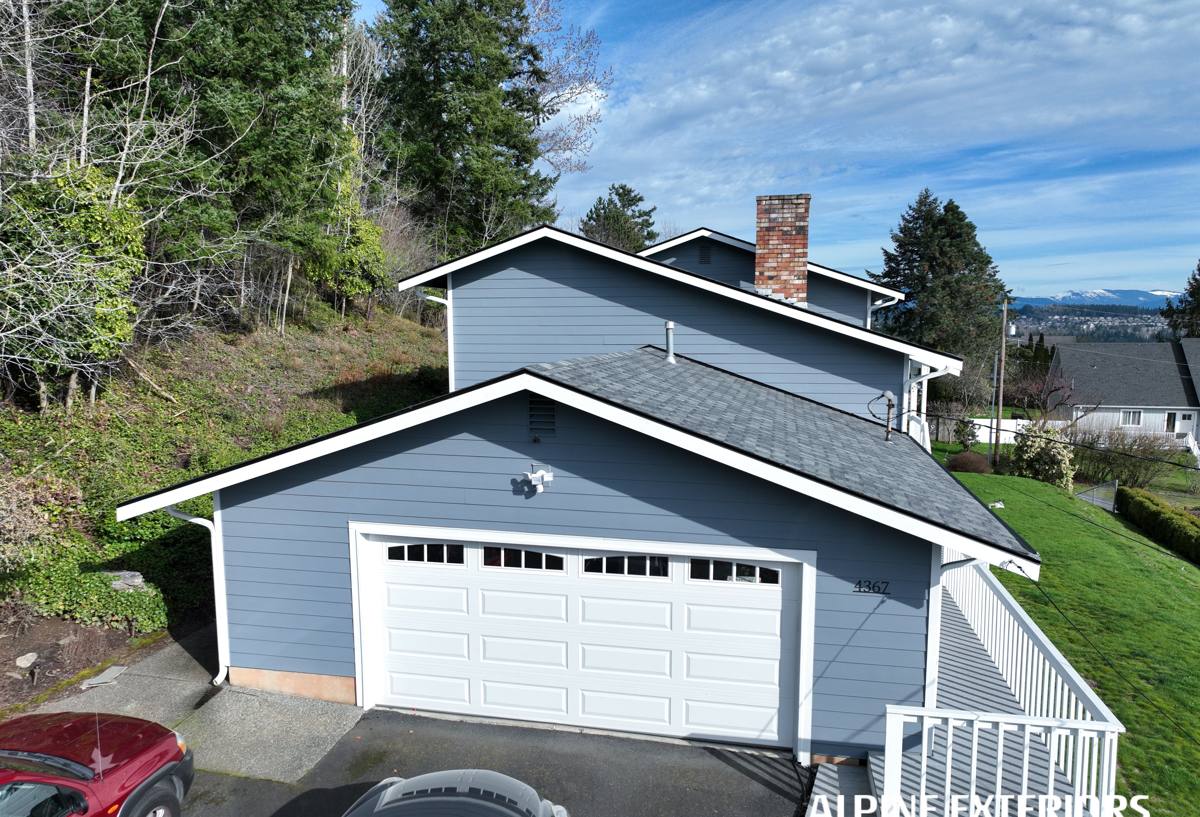
What Bothell's Weather Actually Does to a Shingle Roof
Driving Rain and Wind-Driven Moisture
Rain in this region rarely falls straight down. Wind pushes it sideways under shingle edges, around chimneys, and into valleys where two roof planes meet. A shingle roof that only handles vertical rain well will still leak in Bothell. Underlayment quality, proper shingle overlap, and correctly flashed transitions matter more here than in climates with lighter, more predictable rainfall.
Moss, Shade, and a Long Growing Season
Bothell's mature tree cover is part of what makes the area attractive, but it also means many roofs sit in partial shade for much of the day. Combined with a mild, wet winter that stretches into spring, that shade creates ideal conditions for moss and algae to establish on north-facing slopes and anywhere debris collects. Moss isn't just cosmetic — it holds moisture against the shingle surface long after the rest of the roof has dried, which accelerates granule loss and can work moisture under shingle edges over time.
Regional Moisture and Salt Air
Across the broader Puget Sound region, salt-tinged air moving inland can contribute to faster corrosion of exposed metal — flashing, fasteners, and vent components in particular. It's a secondary factor compared to rain and moss, but it's one more reason we don't cut corners on the metal components of a roof system, even though the shingles themselves get most of the attention.
What a Correct Shingle Roof Job Looks Like Here
A shingle roof is a system, not just a layer of shingles. In a climate like Bothell's, every layer underneath the visible surface has to pull its weight.
- Ice and water shield at eaves, valleys, and around penetrations — this self-sealing membrane is the backup layer that keeps wind-driven rain and any ice dams from reaching the roof deck.
- Synthetic underlayment across the full field, which resists moisture absorption far better than older felt products and holds up during the inevitable delay between tear-off and shingle installation on a rainy schedule.
- Properly lapped and fastened shingles, nailed in the manufacturer's specified nailing zone — a few inches off can mean the difference between a shingle that holds through a windstorm and one that doesn't.
- Correctly flashed valleys, chimneys, and sidewalls, since these transition points are where the large majority of roof leaks actually originate, not the open shingle field.
- Balanced attic ventilation, so moist interior air doesn't condense against the underside of the roof deck during our cool, damp winters.
Skip any one of these and the roof may look fine for a year or two before problems surface — usually during the first real windstorm or the first winter with an extended wet stretch.
Our Process for a Bothell Shingle Roof
1. Inspection and Honest Assessment
We start by getting on the roof, not just looking at it from the ground. We check for granule loss, soft spots in the decking, moss coverage and how far it's spread, flashing condition, and ventilation. We'll tell you plainly whether you're looking at a repair, a partial re-roof, or a full replacement — and why.
2. Tear-Off and Deck Evaluation
For a full replacement, we remove the existing roofing down to the deck. This is the point where hidden moisture damage, rot, or prior repair shortcuts become visible. We address any compromised decking before a single new shingle goes down — covering over a soft deck is exactly the kind of shortcut that leads to problems a few years later.
3. Underlayment and Flashing First
Every valley, eave, chimney, and wall transition gets properly flashed and protected before the shingle field goes in. In a climate that gets driving rain, this step matters more than the shingle brand you choose.
4. Shingle Installation to Manufacturer Spec
We install to the manufacturer's nailing pattern and exposure requirements, not a shortcut version of it. This is also what keeps a manufacturer's material warranty valid — installation errors are the most common reason shingle warranties get denied later.
5. Ventilation Check
We confirm intake and exhaust ventilation are balanced. Poor attic ventilation is one of the more common causes of premature shingle aging we see on older Bothell homes, especially where insulation upgrades were done without revisiting the ventilation.
6. Final Walkthrough
We walk the finished roof and the property with you, cover cleanup, and go over what maintenance — if any — will keep the roof performing through the moss season ahead.
Choosing the Right Shingle for a Shaded, Wet Property
Not every asphalt shingle product handles Bothell's conditions equally well. The table below covers the general trade-offs we walk homeowners through.
| Shingle Type | Typical Lifespan | Best Fit For | Considerations in Bothell's Climate |
|---|---|---|---|
| 3-Tab Shingles | 15-20 years | Budget-focused projects, simpler roof lines | Lower wind resistance and less algae resistance; moss and staining tend to show sooner |
| Architectural (Dimensional) Shingles | 25-30 years | Most Bothell homes | Heavier, better wind rating, generally available with algae-resistant granules — our standard recommendation for shaded lots |
| Impact-Resistant Shingles | 25-30+ years | Homes wanting extra durability against debris and hail | Higher upfront cost; can sometimes qualify for insurance discounts, worth asking your carrier |
| Algae-Resistant (Copper-Granule) Shingles | Same as base product | Heavily shaded, north-facing, or tree-covered roofs | Directly addresses Bothell's moss/algae exposure; a worthwhile upgrade on shaded lots |
For most Bothell properties with any meaningful tree cover, we lean toward architectural shingles with algae-resistant granules. The upfront cost difference is modest compared to the extra years of clean appearance and reduced moss buildup it buys you.
Repair, Partial Replacement, or Full Re-Roof?
Not every shingle problem means starting over. We look at age, damage pattern, and how much of the roof is affected before recommending anything.
- Repair makes sense for isolated wind damage, a single failed flashing point, or a small area of granule loss on an otherwise sound, newer roof.
- Partial replacement can work when one slope — often the shaded, moss-prone side — is significantly more worn than the rest of the roof, and the remaining shingles still have real life left.
- Full replacement is the honest recommendation once a roof is past 20-25 years, has widespread granule loss, multiple past repairs, or decking issues discovered during inspection.
We'd rather quote a repair that saves you money today than sell a full re-roof you don't need yet — but we'll also tell you clearly when patching a worn-out roof is just delaying an unavoidable replacement.
Maintenance That Actually Extends Roof Life Here
Given Bothell's moss season, a small amount of regular upkeep goes a long way toward protecting your investment.
- Clear gutters and valleys of leaves and needles before the fall rains arrive — clogged valleys are one of the most common leak sources we see.
- Have moss treated or gently removed before it spreads across a full slope; heavy moss mats hold moisture against shingles for months at a time.
- Trim back overhanging branches where practical to reduce shade and debris buildup.
- Schedule a roof check every few years, or after any significant windstorm, to catch small issues before winter rain finds them.
Why Hiring a Crew That Works Bothell Regularly Matters
A shingle roof installed correctly for Bothell's conditions looks, on the surface, much like one installed for a drier climate — the difference is entirely in the underlayment choices, flashing detail, and ventilation planning underneath. Crews who work King County roofs regularly know which valleys collect the most debris, which north-facing slopes need algae-resistant shingles as standard rather than upgrade, and how local wind patterns affect fastening and edge details. That local, repeated experience is what keeps small oversights from turning into leaks two winters down the road.
If you're weighing a repair, a partial fix, or a full shingle roof replacement in Bothell, we're happy to take a look and give you a straight answer. Reach out for a free, no-pressure estimate using the form below.