 King County
 Why Window Replacement in Bothell Is a Different Job Than It Looks
Bothell sits in the marine climate belt that covers most of King County — long wet winters, humid shoulder seasons, and short windows of dry weather to actually get exterior work done right. Windows here don't fail the way they do in drier climates. They fail because water and moisture find a way in slowly, over years, through seals, sills, and flashing details that were never built to handle this much sustained rain. A window that looks fine from the street can already have a soft sill or a compromised seal doing quiet damage behind the trim.
Add in the moss and algae growth that King County's damp, shaded conditions encourage, and older window systems take a beating from more directions than most homeowners realize. Replacing a window here isn't just a swap-and-caulk job — it's an opportunity to correct the water management details that the original installation may have gotten wrong, or that have simply worn out after years of driving rain and marine air.
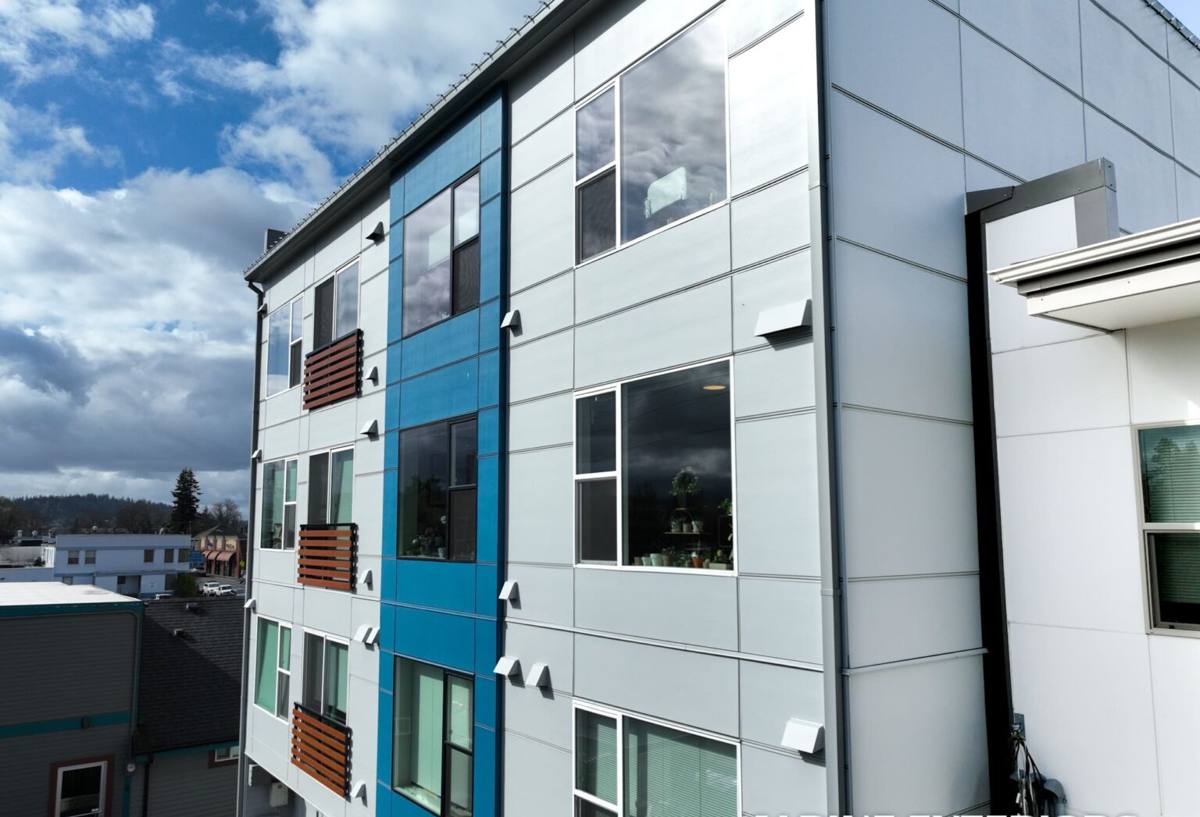
Signs Your Bothell Home's Windows Are Ready for Replacement
Some of these are obvious. Others show up slowly enough that homeowners get used to them before realizing they're a problem. Worth checking for:
- Fogging or a cloudy haze between panes — the seal has failed and the insulating gas is gone
- Visible gaps, cracked caulk, or daylight around the frame when you look closely from inside
- Soft, discolored, or spongy wood at the sill or lower corners of the frame
- Windows that stick, won't stay open, or take real effort to latch
- Noticeable drafts near the frame on windy or rainy days
- A steady rise in heating costs with no other explanation
- Moss, algae, or persistent dark streaking on or around the frame that keeps coming back after cleaning
Any one of these on its own might just need a repair. Several at once, especially on a home with original single-pane or early dual-pane windows, usually means replacement is the more honest fix.
What a Correct Window Replacement Job Actually Involves
The window itself is only part of the job. Most of the long-term performance — and most of the failures we get called out to fix on other contractors' work — comes down to what happens in the rough opening before the new window ever goes in.
Removal and Inspection
Once the old window is out, that's the one chance to actually see the condition of the framing, sheathing, and sill. We check for rot, soft wood, or prior water intrusion before anything new goes in. Covering up a wet or damaged opening with a new window is one of the most common shortcuts in this trade, and it guarantees a repeat problem a few years down the line.
Flashing and Water Management
This is the detail that matters most in a climate like ours. Proper flashing — at the head, jambs, and especially the sill pan — directs water that gets past the exterior cladding back out instead of into the wall cavity. In a region with as much driving rain as King County sees, a window installed without correct sill pan flashing is a matter of when it leaks, not if.
Insulation and Air Sealing
The gap between the new window frame and the rough opening needs to be sealed and insulated correctly — not overpacked with spray foam, which can bow the frame, and not left with gaps that let air and moisture through. This is where a lot of the comfort and energy improvement homeowners notice actually comes from.
Installation and Finish Work
The window gets set level, plumb, and square, fastened per the manufacturer's requirements, and the exterior trim and caulking are finished to shed water properly. Interior trim is reset or replaced so the finished opening looks intentional, not patched.
Choosing the Right Window for King County's Climate
There's no single "best" window material — the right choice depends on the home, the exposure, and how much upkeep you want to take on. Here's how the common options stack up for a climate defined by sustained moisture and moderate temperature swings rather than extreme heat or cold:
| Frame Material | Moisture Tolerance | Maintenance | Best Fit |
|---|---|---|---|
| Vinyl | Very good — won't rot or corrode | Low — occasional cleaning | Most Bothell homes; strong value and performance |
| Fiberglass | Excellent — very stable in wet/dry cycles | Low | Homes wanting minimal frame movement and a longer service life |
| Wood-clad | Good on the exterior clad side, but interior wood needs protection | Higher — finish and seals need periodic attention | Homes prioritizing a traditional wood interior look |
| Aluminum | Poor in this climate — prone to condensation and heat loss | Moderate | We generally steer clients away from it here except in specific commercial applications |
For most Bothell homes, we recommend vinyl or fiberglass with a dual-pane, argon-filled unit and a low-E coating. Both hold up well to sustained humidity without the maintenance burden that wood trim carries in a climate this wet, and neither depends on a paint or finish schedule to keep water out.
Full-Frame Replacement vs. Pocket (Retrofit) Replacement
These are the two basic approaches, and the right one depends on the condition of what's already there.
Pocket, or "insert," replacement keeps the existing frame in place and fits a new window inside it. It's faster and less disruptive to interior trim and exterior siding, and it works well when the existing frame is still structurally sound and properly flashed.
Full-frame replacement removes the window down to the rough opening, including the old frame. It takes more time and involves more finish work, but it's the only correct option when there's rot, prior water damage, or flashing that needs to be redone — which is common enough on older King County homes that we always inspect before recommending a pocket install.
We don't default to the faster option just because it's easier. If the opening shows signs of moisture damage, we'll tell you honestly that a full-frame job is the right call, even though it costs more, because a pocket install over a bad opening just seals the problem in.
Cost Factors for a Bothell Window Replacement Project
Every home is different, so we won't quote a number without seeing the job, but these are the factors that actually move the price:
| Factor | Why It Matters |
|---|---|
| Frame material and glass package | Vinyl, fiberglass, and wood-clad carry different material costs; upgraded glass (triple-pane, extra coatings) adds cost |
| Full-frame vs. pocket install | Full-frame takes more labor and trim work but is necessary when the opening has damage |
| Number and size of windows | Larger openings and specialty shapes (arched, oversized) cost more per unit |
| Existing damage or rot repair | Framing repair discovered during removal is priced separately from the window itself |
| Access and site conditions | Second-story windows, tight side yards, or landscaping obstacles affect labor time |
| Interior and exterior trim work | Matching existing trim profiles or repainting adds finish-carpentry time |
Broad guidance: a straightforward pocket replacement typically costs less per window than a full-frame job with trim and any framing repair included. We'll break down where your money is going line by line rather than handing you a single lump number.
How Our Process Works
- On-site assessment — we look at each window's condition, the framing behind it, and how water is currently being managed (or not) around the opening
- Honest recommendation — pocket vs. full-frame, material options, and a clear explanation of why, not just a product pitch
- Measurement and ordering — precise measurements so the units fit correctly the first time
- Installation — removal, inspection, flashing, insulation, and finish work done in the sequence that actually keeps water out
- Walkthrough and cleanup — we show you the finished work, confirm everything operates correctly, and leave the site clean
We also plan around the calendar here. King County's driving rain doesn't stop for a job site, so we sequence work to minimize how long any opening sits exposed, and we don't cut corners on flashing just to beat the weather.
Why Hiring a Crew That Already Works in Bothell Matters
Bothell straddles the King County and Snohomish County line, which means permitting requirements, inspection processes, and even HOA standards can vary depending on which side of a given neighborhood a home falls on. A crew that already works in this specific area knows which jurisdiction applies, what documentation is typically expected, and how to avoid the delays that come from guessing.
Beyond paperwork, local experience means knowing how these homes actually perform in this climate — which flashing details hold up to a full wet season, which materials shrug off the humidity and moss exposure, and which shortcuts show up as callbacks two or three years later. That's the kind of knowledge that only comes from doing this work, in this weather, on homes like yours, year after year.
If your windows are drafty, fogged, or just past their service life, we're happy to take a look and give you a straightforward assessment. Reach out for a free, no-pressure estimate using the form below — we'll walk the exterior with you, answer your questions honestly, and let you decide from there.