 King County
 Why Board & Batten Suits Seattle Homes
Board and batten has become one of the most requested siding profiles in Seattle, and it's easy to see why. The vertical lines read as modern on a new build, but they also sit comfortably on the craftsman bungalows, farmhouse remodels, and mid-century homes that make up a lot of King County's housing stock. It's a strong choice for accent walls, gables, dormers, and full elevations alike, and it pairs cleanly with the shed roofs and mixed-material exteriors that are common in newer Seattle construction.
But board and batten is also a profile that punishes shortcuts. The wide, flat boards and raised battens create more seams, more fastener penetrations, and more places for water to find a way in than a standard lap siding job. In a climate like Seattle's, where the marine air off Puget Sound keeps humidity elevated for most of the year and rain falls steadily across the fall, winter, and spring, those details aren't cosmetic — they determine whether the wall behind the siding stays dry for the next few decades or starts failing quietly from the inside.
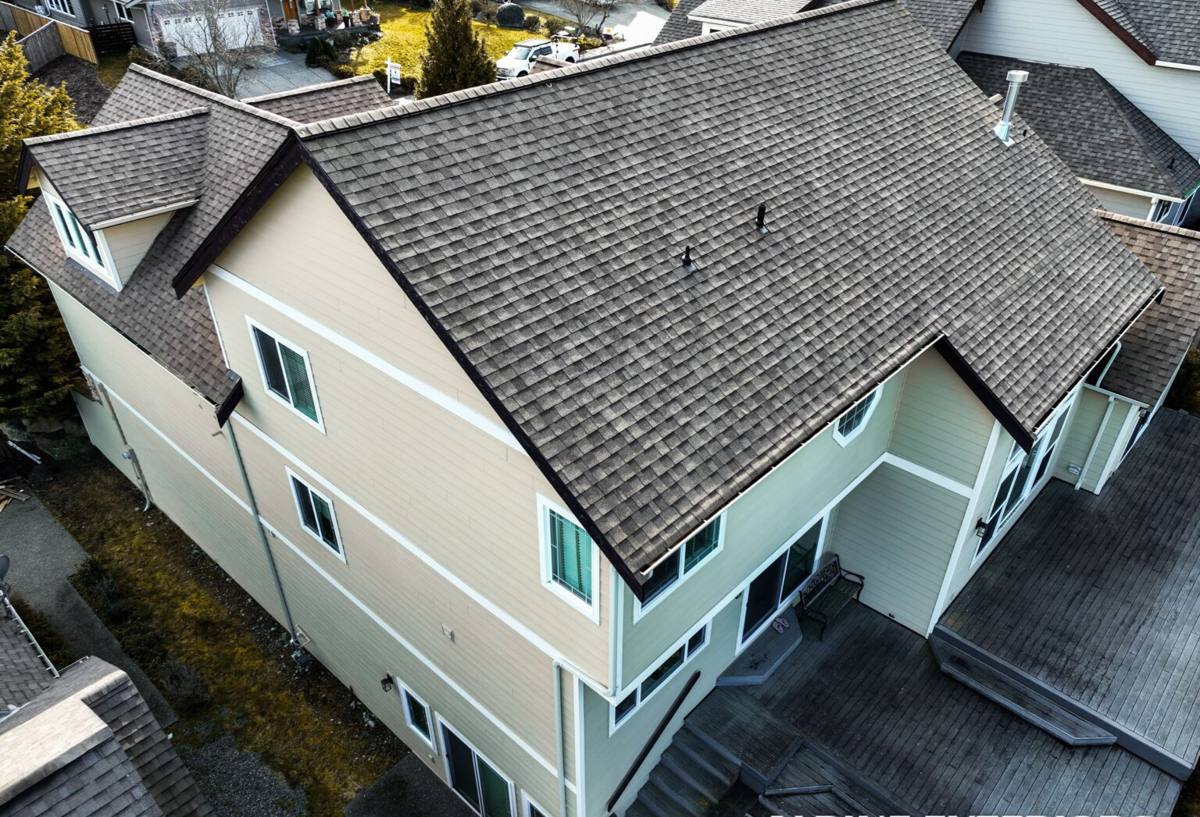
What Seattle's Climate Actually Does to a Board & Batten Wall
King County sits in a maritime climate zone, and Seattle in particular deals with a specific combination of conditions that a lot of siding products and installers simply aren't built for.
Salt Air From the Sound
Seattle's proximity to Puget Sound means homes throughout the city are exposed to salt-laden air, even blocks away from the water. Salt air accelerates corrosion on exposed fasteners and metal flashing, and it degrades some paint and coating systems faster than a dry inland climate would. Siding and trim on or near the water need corrosion-resistant fasteners and a factory finish that's engineered to hold up under that exposure, not just a standard field-painted coat.
Driving Rain
Seattle doesn't get dramatic downpours as often as it gets long stretches of steady, wind-driven rain. That pattern is actually harder on a wall assembly than short heavy storms, because it pushes moisture sideways into seams, joints, and fastener holes for hours or days at a time. A board and batten wall has more of those seams than lap siding, so the flashing, caulking, and drainage plane behind the boards have to be right the first time — there's no margin for "close enough."
Long Moss Season
Between the shade from mature tree canopy in a lot of Seattle neighborhoods and the extended damp season, moss and algae growth on north-facing walls, under eaves, and in any spot with poor airflow is a fact of life here. Moss holds moisture directly against the siding surface for weeks at a time, which is a much bigger problem for a wood or wood-composite product than it is for a material that doesn't feed mold and doesn't swell when it stays wet.
Why We Install Board & Batten in James Hardie Fiber Cement — and Nothing Else
We standardized on James Hardie fiber cement for every siding job we do, board and batten included, and we don't install vinyl, LP SmartSide, primed spruce, cedar, or other fiber cement brands as substitutes. That's not a marketing position — it's a decision built around what actually holds up on a wet-climate wall over time.
Fiber cement doesn't rot, doesn't feed mold or moss the way wood and wood-composite products can, and it's non-combustible, which matters more every year as wildfire smoke seasons stretch into the Pacific Northwest. For board and batten specifically, Hardie's HZ5 formulation is engineered for climates with higher moisture exposure like ours, and their ColorPlus factory-applied finish is baked on under controlled conditions rather than sprayed on site — which means better, more even coverage and a finish that's built to resist the fading, chalking, and peeling that field-applied paint is prone to in a climate this damp.
Hardie also backs its products with a strong transferable limited warranty, which matters on a system with this many seams and penetrations — if something in the material itself fails, you have a real manufacturer standing behind it, not just an installer's word.
What We're Not Installing, and Why
- Vinyl board and batten: lightweight and inexpensive, but it expands and contracts significantly with temperature swings, can warp or crack in impacts, and doesn't hold up to the visual expectations most Seattle board and batten projects are going for.
- LP SmartSide: a wood-strand product that performs reasonably when installed and maintained correctly, but it's still an engineered wood product with seams and cut edges that need diligent sealing — in a climate this wet, that's a maintenance burden we don't think is worth taking on when a non-organic alternative exists.
- Primed spruce or cedar board and batten: beautiful when new, but real wood siding needs ongoing refinishing, and in a shaded, moss-prone, high-moisture environment like Seattle, that maintenance cycle comes faster and costs more over the life of the siding than most homeowners expect going in.
What a Correct Board & Batten Job Involves
Board and batten looks simple from the curb, but the assembly behind it is more involved than standard lap siding, and most of the failures we get called out to inspect trace back to one of these steps being skipped or rushed.
The Drainage Plane and Rainscreen Gap
Every board and batten wall we install goes over a weather-resistant barrier and a furring strip system that creates a small gap between the siding and the wall sheathing. That gap lets any moisture that does get past the outer surface drain out and lets air circulate behind the boards to dry them out between rain events. Skipping the rainscreen gap and nailing battens directly to the sheathing is a common shortcut, and it's a big reason board and batten walls trap moisture and fail early in wet climates.
Flashing at Every Horizontal Break
Anywhere a board and batten wall meets a window, door, roofline, or horizontal trim break, water needs a metal flashing detail to direct it back out and away from the wall — not just a bead of caulk. Caulk is a maintenance item that eventually fails; flashing is a permanent mechanical solution.
Fastener Placement and Type
Boards and battens have to be fastened per the manufacturer's engineering, with corrosion-resistant fasteners set at the correct depth — overdriven or underdriven fasteners are one of the most common causes of cracking and water intrusion around the fastener head. Given the salt air exposure in parts of Seattle, we don't cut corners on fastener grade here.
Board and Batten Spacing and Expansion Gaps
Fiber cement expands and contracts slightly with temperature and moisture changes. Boards need the manufacturer-specified gaps at butt joints and around penetrations so that movement doesn't cause buckling or cracking down the line.
Material Comparison for Seattle Board & Batten Projects
| Material | Moisture & Moss Resistance | Coastal Salt Air Durability | Maintenance Cycle |
|---|---|---|---|
| James Hardie Fiber Cement (HZ5) | Does not rot or feed mold; engineered for wet climates | Factory ColorPlus finish resists fading and coastal wear | Occasional wash; repaint interval measured in decades, not years |
| Vinyl | Won't rot, but can trap moisture behind it if installed poorly | Can become brittle over time; seams can loosen | Low upkeep, but limited repair options if damaged |
| LP SmartSide (engineered wood) | Vulnerable at cut edges and seams if sealing isn't maintained | Needs diligent edge sealing near salt exposure | Periodic inspection and resealing of joints and edges |
| Cedar / Primed Spruce | Prone to moss growth and moisture absorption in shade | Salt air accelerates finish breakdown | Frequent refinishing; shortest maintenance interval of the group |
Our Process, Start to Finish
- Free on-site estimate. We walk the exterior, look at existing siding condition, shade patterns, drainage, and any moss or moisture staining, and talk through what board and batten will look like on your specific home.
- Detailed proposal. You get a clear scope covering material, prep work, flashing details, and layout — no vague line items.
- Prep and moisture check. Before any siding comes off, we assess the sheathing underneath for existing rot or moisture damage, which is common to find once old siding comes down on a house that's been through a few wet Seattle winters.
- Weather-resistant barrier and rainscreen installation. This is the step that determines how the wall performs for the next 30-plus years, and it happens before a single board goes up.
- Board and batten installation to manufacturer spec. Correct spacing, fastening, and flashing at every transition, window, and roofline.
- Caulking, trim, and finish detailing. Final sealing at penetrations and a clean, consistent reveal across the whole elevation.
- Final walkthrough. We go over the finished job with you before we consider it done.
Mistakes We Commonly See on Board & Batten Jobs Around Seattle
When we're called out to look at a board and batten wall that's failing early, it's almost always one of these:
- Battens face-nailed directly to sheathing with no rainscreen gap, trapping moisture behind the wall
- Caulk used in place of proper flashing at windows, doors, and horizontal trim breaks
- No expansion gap at board joints, leading to buckling or cracked ends
- Standard fasteners used in a coastal-exposure area instead of corrosion-resistant hardware
- Field-applied paint instead of a factory finish, leading to earlier fading and peeling in our wet climate
- Board and batten installed directly over damaged or already-wet sheathing without addressing it first
Living With Board & Batten in a Wet Climate
A correctly installed James Hardie board and batten wall doesn't ask for much. An occasional gentle wash to knock off moss or algae buildup on shaded, north-facing sections keeps the finish looking clean, and it's worth a visual check after major windstorms to make sure trim and flashing haven't shifted. Because the ColorPlus finish is baked on at the factory rather than applied on site, you're not looking at a repaint cycle every few years the way you would with wood — that's one of the biggest practical differences homeowners notice a few years into ownership.
Gutters and downspouts matter more than people expect with board and batten, too. Keeping water moving away from the base of the wall and off upper roof sections that drain onto siding below reduces the amount of standing moisture the wall ever has to deal with, which is especially relevant during Seattle's long stretch of fall and winter rain.
Why It Matters That We Already Work in Seattle
Board and batten installed to spec on paper and board and batten installed correctly on a specific Seattle lot are two different things. Shade patterns from mature trees, how close a home sits to the Sound, roof pitch and drainage patterns typical of King County construction, and the realities of scheduling around our wet season all affect how a job actually gets built and sequenced. A crew that already works this area knows to plan around the rain rather than get caught rushing a rainscreen install between storms, knows which neighborhoods deal with heavier moss and salt exposure, and can flag problems — like sheathing damage from old failed siding — before they become expensive surprises mid-project.
Permitting and inspection expectations also vary by jurisdiction within King County, and having done this work locally means fewer delays and fewer surprises once the project is underway.
Get a Straight Answer on What Your Home Needs
Every home's exposure, shade, and existing wall condition are a little different, and the right board and batten approach depends on those specifics rather than a generic template. If you're considering board and batten siding for a home in Seattle, we're happy to walk the exterior with you, look at what's there now, and give you a straightforward, no-pressure estimate for doing it right with James Hardie fiber cement. Use the form below to get started.