 King County
 Why Seattle Windows Wear Differently Than Windows Anywhere Else
Seattle sits in a marine climate that's mild in temperature but hard on building materials in almost every other way. Homes here don't deal with brutal freezes or blistering heat, but they do deal with something arguably tougher on windows over time: near-constant moisture, salt-laden air off Puget Sound, wind-driven rain that hits glass and frames sideways instead of straight down, and a moss and algae season that can stretch from fall through spring. That combination is why a window that performs fine in Spokane or Denver can fail early in a King County home, and why "custom" here means more than picking a size off a chart.
Driving rain is the big one. Seattle's rain doesn't just fall — it's pushed by wind off the Sound and through the neighborhoods that sit close to it, so water gets forced sideways into any gap in flashing, caulking, or the window-to-wall transition. A window that's slightly out of level, under-flashed, or sealed with the wrong material will let water in eventually, and once water gets behind a frame in this climate it rarely dries out fast enough between storms to avoid rot, mold, or sill damage. Salt air adds a second layer of stress, accelerating corrosion on hardware, fasteners, and lower-grade metal components. And the region's long damp season feeds moss and algae growth on sills, tracks, and exterior trim, which holds moisture against wood and finishes far longer than a dry climate ever would.
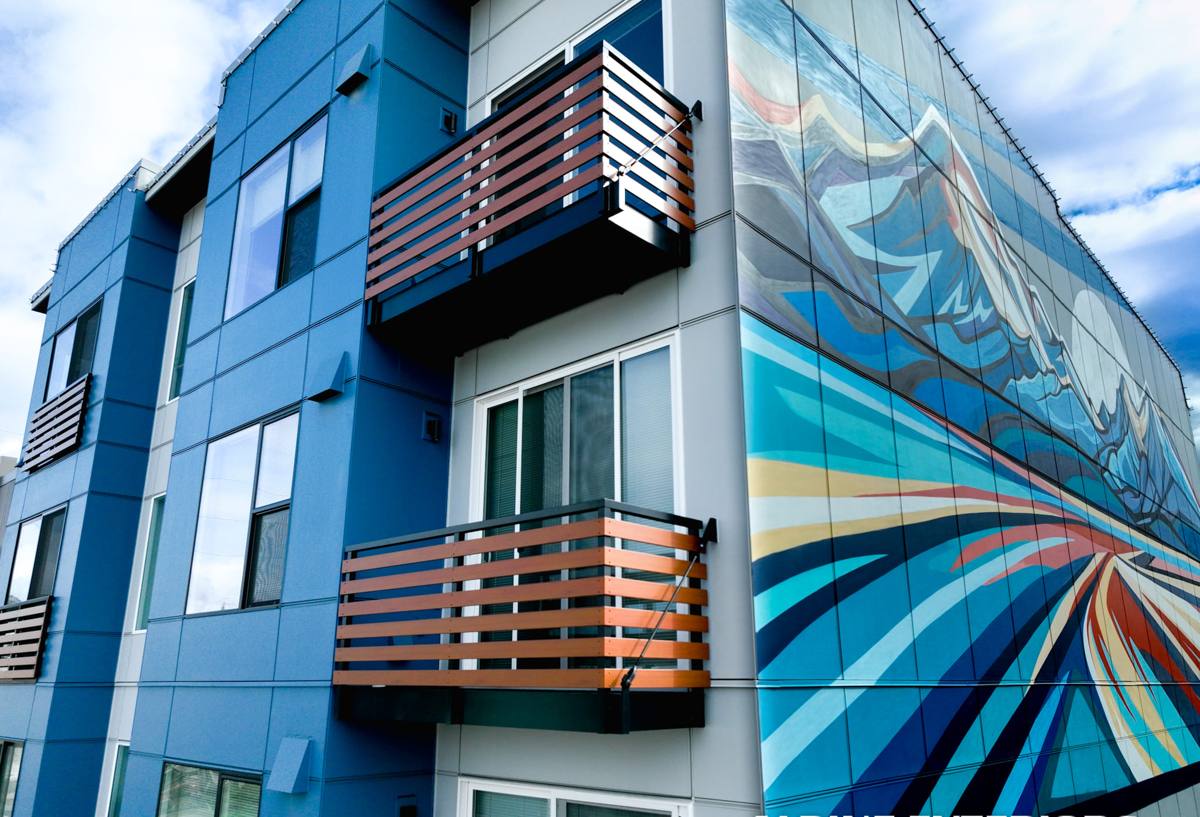
What "Custom" Actually Means for a Seattle Home
Custom windows aren't a luxury upgrade — for most homes here, they're the only correct option. Very few houses have perfectly standard, off-the-shelf rough openings, especially anything built before the 1980s. Custom windows are manufactured to the exact dimensions of your existing opening, so the installer isn't forcing a stock size into a space that's slightly too big, too small, or out of square.
Retrofit vs. Full-Frame Replacement
There are two main approaches, and the right one depends on the condition of what's already there:
- Retrofit (insert) replacement: the new window is built to fit inside the existing frame, which stays in the wall. Less disruption, less exterior work, but only appropriate when the existing frame is still solid and dry.
- Full-frame replacement: the old frame is removed down to the rough opening, exposing the sheathing and framing underneath. This is the only honest option when there's any sign of rot, past water intrusion, or a frame that's shifted out of square — which is common enough in older Seattle homes that we check for it on every estimate.
Choosing retrofit when full-frame is actually needed is one of the most common corner-cutting shortcuts in this trade. It looks fine on installation day and causes problems two or three winters later, once the sealed-in moisture behind the new frame has had time to do damage nobody can see yet.
Frame Materials That Actually Hold Up Here
Every frame material has trade-offs, and the right call depends on the specific window, its sun exposure, and your maintenance tolerance. We install what suits the opening and the homeowner's priorities — not one product line for every job.
| Material | How it handles our climate | Maintenance |
|---|---|---|
| Vinyl | Won't rot or corrode; performs well against moisture, but quality varies a lot between manufacturers | Low — occasional cleaning |
| Fiberglass | Very stable dimensionally, resists moisture and UV well, holds paint finishes reliably | Low to moderate |
| Wood | Best appearance and insulating value, but needs a well-maintained exterior finish to resist our rain and moss | Higher — periodic refinishing |
| Wood-clad (wood interior, metal or composite exterior) | Combines interior warmth with a weather-resistant exterior shell; a common choice for older or historic-character homes | Moderate |
| Aluminum | Strong and slim-profile, but conducts cold and is prone to condensation without a thermal break | Low, but condensation risk needs managing |
We're candid about the trade-offs. Wood windows look excellent and insulate well but demand upkeep that not every homeowner wants to sign up for in a climate this wet. Bare aluminum without a thermal break is a poor match for our humidity because it invites condensation on the interior frame. We'll walk you through which material fits your home's exposure, your budget, and how much maintenance you actually want to do.
Glass and Performance: What Actually Matters Here
In a climate like ours, glass selection is less about extreme heat or cold performance and more about moisture control, condensation resistance, and comfort near the glass on cold, damp nights.
Key specs worth understanding
- U-factor: measures how well the window resists heat loss. Lower is better for our mild-but-damp winters.
- Low-E coatings: a microscopically thin coating that reduces heat transfer and UV fading without noticeably darkening the glass.
- Argon or krypton gas fill: the inert gas between panes improves insulation and reduces the interior condensation that shows up on cold mornings.
- Warm-edge spacers: the material separating the panes at the edge of the glass unit — a warm-edge spacer resists condensation and seal failure far better than older aluminum spacers.
Double-pane glass with a good Low-E coating and warm-edge spacer is the standard for most Seattle homes and performs well. Triple-pane adds another layer of insulation and sound dampening, which some homeowners value near busy streets or flight paths, but it adds weight and cost that isn't necessary for every application. We'll size the glass package to the window, not sell you the most expensive option by default.
Installation Details That Actually Determine How Long a Window Lasts
More window failures in this region come from installation shortcuts than from bad products. Given how much wind-driven rain King County homes take, the flashing and sealing details around a window matter as much as the window itself.
What a correct installation includes
- Removing and inspecting the existing frame and surrounding sheathing for hidden rot or prior water damage before anything new goes in.
- Installing a proper drainage plane and flashing sequence — sill pan, side flashing, and head flashing layered so water is directed out and down, never trapped behind the window.
- Setting the window level, plumb, and square, then securing it per the manufacturer's fastening schedule rather than "close enough."
- Sealing with the correct exterior-grade sealant at the right joints — sealing everything isn't correct either, since some assemblies need to stay able to drain and vent.
- Insulating the gap between the frame and the rough opening properly, without overpacking it in a way that bows the frame.
- Finishing interior and exterior trim so the whole assembly sheds water and looks right from both sides.
Skipping or rushing any one of these steps is exactly how a brand-new window ends up with a soft sill or a moldy corner within a few years — not because the window itself was bad, but because water got behind it and had nowhere to go.
Common Window Problems We're Called Out for in Seattle
Because we work in this climate regularly, certain complaints come up far more often here than they would in a drier region:
- Foggy or "failed" double-pane glass: moisture between the panes means the seal has broken and the gas fill has escaped — the glass unit needs replacing, not just the frame.
- Soft or spongy sills and lower frame corners: almost always a sign that wind-driven rain has been getting behind the trim or flashing for a while.
- Moss and algae buildup on sills, tracks, and exterior trim: holds moisture against the surface far longer during our long wet season, which accelerates finish breakdown on wood and paint.
- Difficulty opening or closing: often a frame that's swollen from moisture or has racked slightly out of square.
- Persistent interior condensation: can point to an aging low-performance window, a failed seal, or ventilation issues inside the home — worth diagnosing rather than guessing.
Our Process, Start to Finish
We keep the process straightforward and put the important decisions in front of you before anything is ordered:
- On-site assessment: we measure openings, check for rot or moisture issues, and talk through retrofit vs. full-frame based on actual condition, not assumption.
- Material and glass selection: we walk through frame material, glass package, and finish options suited to the window's exposure and your priorities.
- Written estimate: clear scope, materials, and pricing before you commit to anything.
- Custom manufacturing: windows are built to the exact measured dimensions of each opening.
- Installation: full flashing and sealing sequence appropriate to our rain exposure, with the surrounding structure inspected as we go.
- Walkthrough and cleanup: we confirm operation, check seals, and leave the work area clean.
Checklist: Signs It's Time to Talk to Someone About Your Windows
- Fogging or haze between the panes that won't wipe away
- Drafts you can feel near the frame on a windy day
- Windows that stick, won't stay open, or are hard to lock
- Visible gaps, cracked caulk, or peeling paint around the frame
- Soft spots when you press on the sill or lower corners
- Moss or dark staining building up on sills or tracks year after year
- Noticeably colder rooms near older windows compared to the rest of the house
- Rising energy bills with no other obvious cause
Why It Matters That We Work in Seattle Regularly
Window installation isn't one-size-fits-all, and a crew that mostly works in drier or milder climates won't naturally think in terms of wind-driven rain, salt air corrosion, or moss-season maintenance. Working across King County means we see the same failure patterns repeatedly — where water tends to find its way in on this style of home, which frame materials hold up on which exposures, and how local humidity affects everything from sealant cure time to glass condensation. That local pattern recognition is what separates a window that looks good on installation day from one that's still performing correctly five winters later.
If your windows are drafty, fogged, sticking, or just older than you'd like to admit, we're happy to take a look and give you an honest read on whether repair, retrofit, or full replacement makes sense for your home. Reach out for a free, no-pressure estimate using the form below.